Own The Conversation AI Digital Twins AI Assistant
Ask a question now and get direct answers about this business without leaving the page.
Open in new tab

WHAT YOU CAN ASK THIS ASSISTANT

  • What type of customer or use case is Own The Conversation AI Digital Twins in Serving Chiang Mai, Thailand, Australia and global markets best suited to?
  • What services, highlights, and facilities should I ask about at Own The Conversation AI Digital Twins?
  • How does Own The Conversation AI Digital Twins compare with other businesses or listings in Serving Chiang Mai, Thailand, Australia and global markets?
  • Would Own The Conversation AI Digital Twins work well for Chiang Mai hotels and accommodation providers?
  • Does Own The Conversation AI Digital Twins include AI Digital Twins, public AI-readable knowledge layers, private staff knowledge systems?

Best For

Chiang Mai hotels and accommodation providers tourism and activity operators restaurants and hospitality businesses wellness and healthcare-adjacent services property and professional-service businesses SMEs improving AI discoverability

Highlights

  • AI Digital Twin infrastructure
  • structured public business knowledge
  • conversational Q&A publishing
  • AI-readable entity and feed systems
  • public and private knowledge separation
  • destination knowledge networks

Quick Answers About Own The Conversation AI Digital Twins

What is an Own The Conversation AI Digital Twin?

An Own The Conversation AI Digital Twin is a structured, conversational knowledge system built around a real business, destination or organisation. It can combine an AI assistant with entity profiles, question-and-answer content, dedicated public answer pages, schema, machine-readable JSON, RSS or Atom feeds and contextual images. The aim is to make the organisation’s genuine knowledge easier for customers, search engines and AI systems to understand. The exact components depend on the project and the information the organisation is prepared to maintain.

How is an AI Digital Twin different from a normal chatbot?

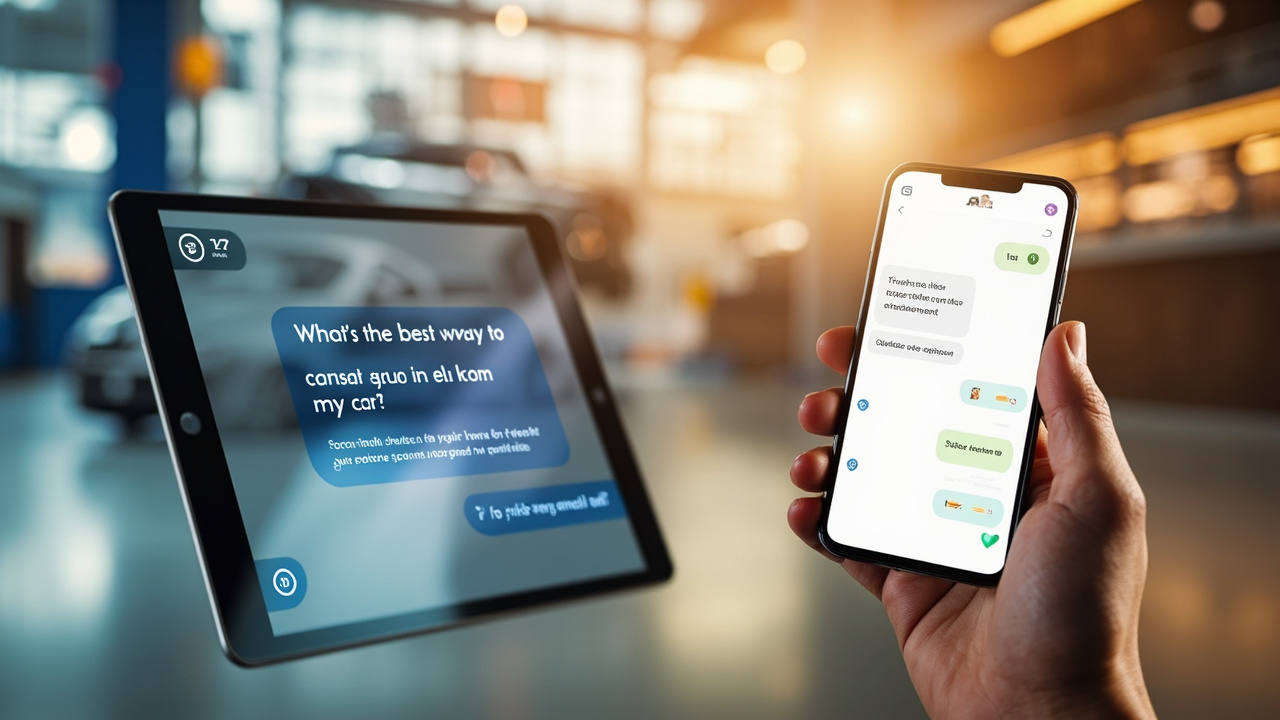
A normal chatbot usually answers questions inside one interface. An Own The Conversation Digital Twin is broader: the assistant is one part of a public knowledge and distribution system. Useful answers can also exist as crawlable pages, structured entity data, feeds, image context and machine-readable indexes. This means the knowledge is not trapped inside the chat window. The objective is to create an active, AI-readable layer around the business rather than simply adding a chat box to an existing website.

How can an AI Digital Twin help a Chiang Mai business?

A Chiang Mai business can use a Digital Twin to explain its services through the questions customers actually ask. A hotel might cover location, room types and traveller suitability; a wellness business could explain treatments and visitor expectations; a tourism operator could answer itinerary, season and safety questions; and a professional service could clarify its process and areas of expertise. The system can then publish those answers through an assistant, public pages and structured feeds. This improves the completeness and accessibility of the business knowledge, although it does not guarantee rankings or AI citations.

What information can be included in the public knowledge layer?

The public layer can include verified business descriptions, services, audiences, locations, facilities, common questions, topical explanations, images, videos, contact pathways, entity relationships and freshness cautions. It may be distributed through public Q&A pages, category pages, entity feeds, JSON indexes, schema and an assistant. Sensitive, confidential or operational material should not be placed in the public layer. Public claims should be factual, current and suitable for customers and external AI systems.

What is the difference between a Public Brain and a Private Brain?

A Public Brain contains customer-facing information that the organisation is comfortable publishing and distributing. A Private Brain is a secured operational knowledge layer for authorised staff and may contain procedures, training material, internal guidance or other non-public information. They serve different purposes and should be separated technically and editorially. A project may use only a Public Brain, or may add a Private Brain where the organisation has a clear staff-use case and suitable security controls.

Does Own The Conversation replace a business website or SEO?

No. A website remains an important source of identity, trust, conversion and official information, while technical SEO helps search engines access and interpret it. The Digital Twin adds a conversational and machine-readable knowledge layer around those foundations. It is intended to make the organisation easier to understand through questions, entities and structured public information. It should be treated as complementary infrastructure rather than a guaranteed replacement for websites, SEO, advertising or other marketing channels.

Can the system use real customer questions to build better content?

Yes. One of the strongest sources of useful knowledge is the language customers use when asking about services, suitability, prices, processes, comparisons and next steps. Those questions can be reviewed, answered and organised into categories. Approved answers may then be published as part of the public knowledge layer, while internal or unsuitable questions remain private. The quality of the result depends on proper review, factual source material and clear rules about what should be published.

Does an AI Digital Twin guarantee that ChatGPT or Google will recommend a business?

No. No provider can guarantee that an independent search engine or AI platform will rank, cite or recommend a particular business. Own The Conversation focuses on the inputs a business can control: clearer entity information, useful answers, crawlable public pages, structured data, contextual media and consistent distribution. These can improve how understandable and discoverable the business is, but external platforms make their own decisions and their systems change over time.