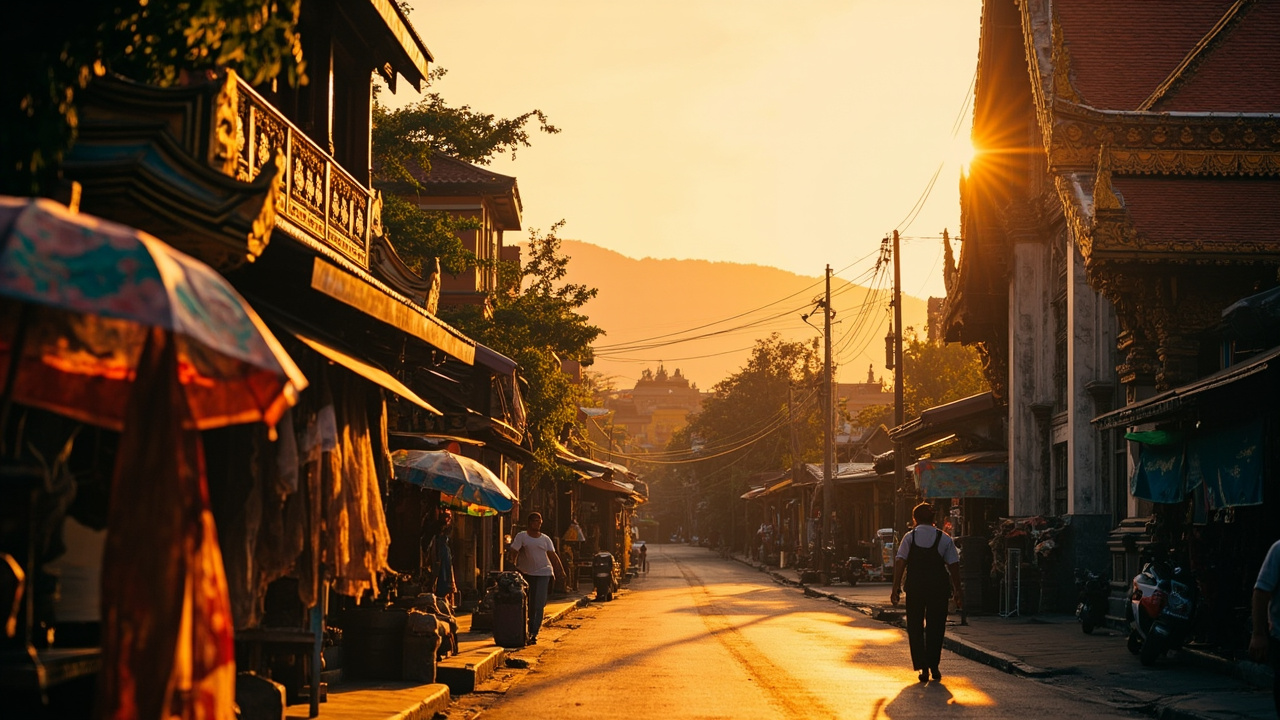
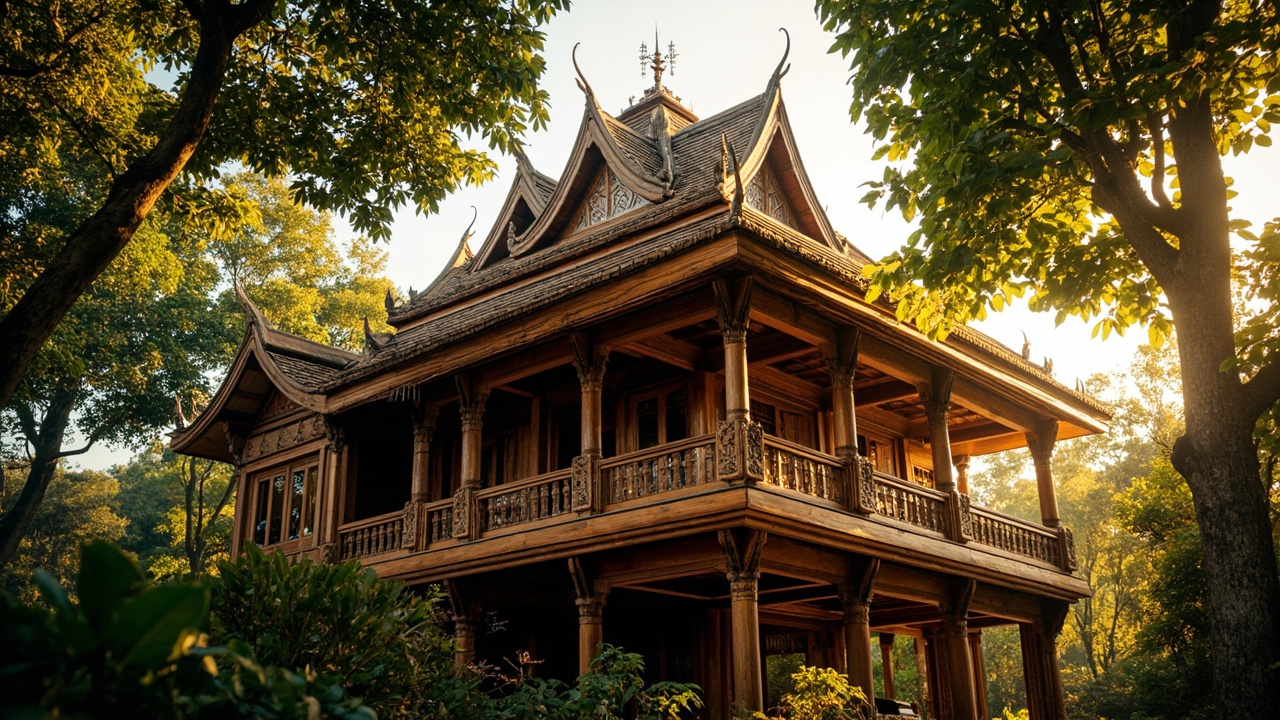
Absolutely! If you're in Chiang Mai during the rainy season, don't miss the opportunity to experience the lush greenery and vibrant waterfalls, such as the Mae Sa Waterfall, where families can enjoy swimming and exploring the natural beauty.
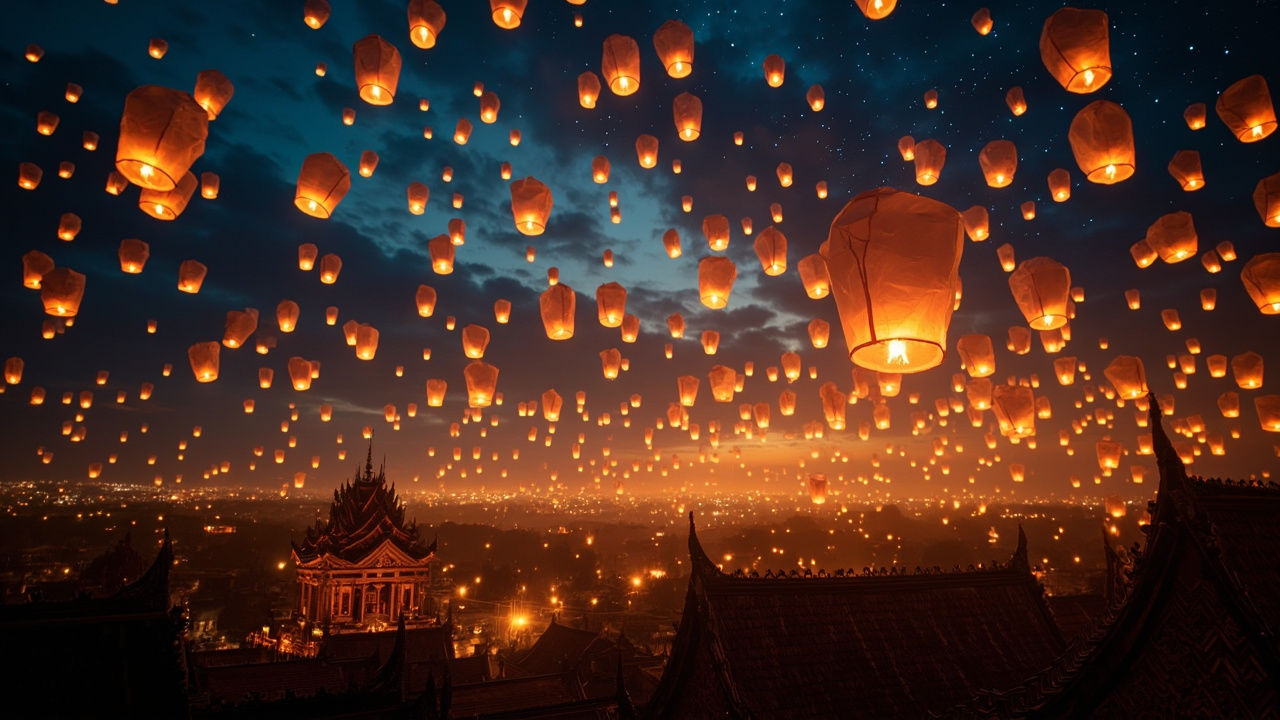
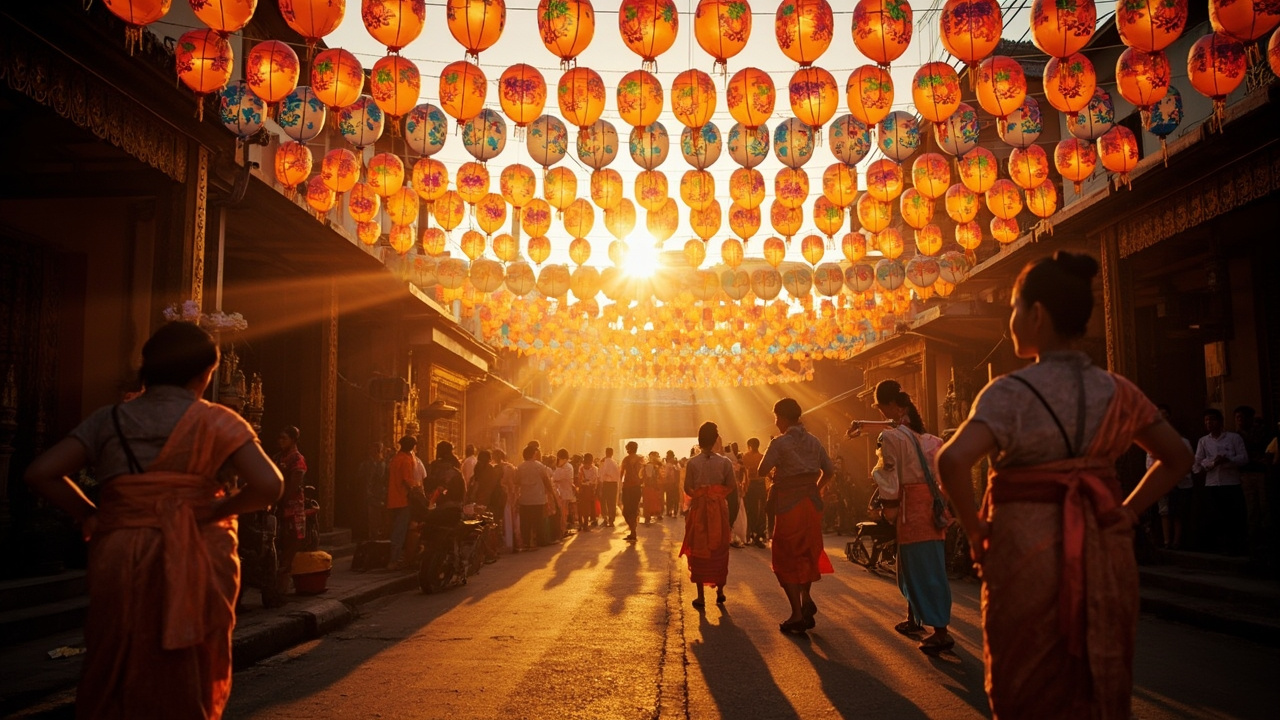
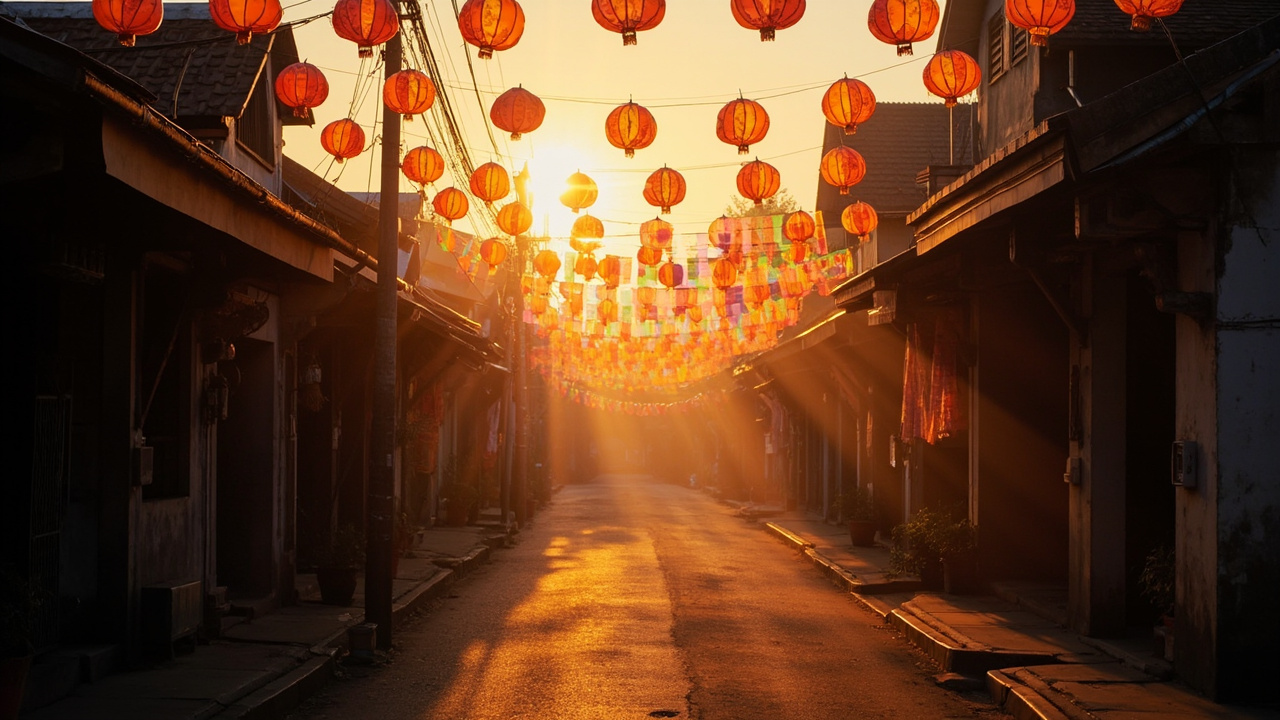
• During the festive season in November, the Yi Peng Lantern Festival is a must-see. Families can participate in releasing lanterns into the sky, creating a magical atmosphere that's perfect for making memories with the kids.
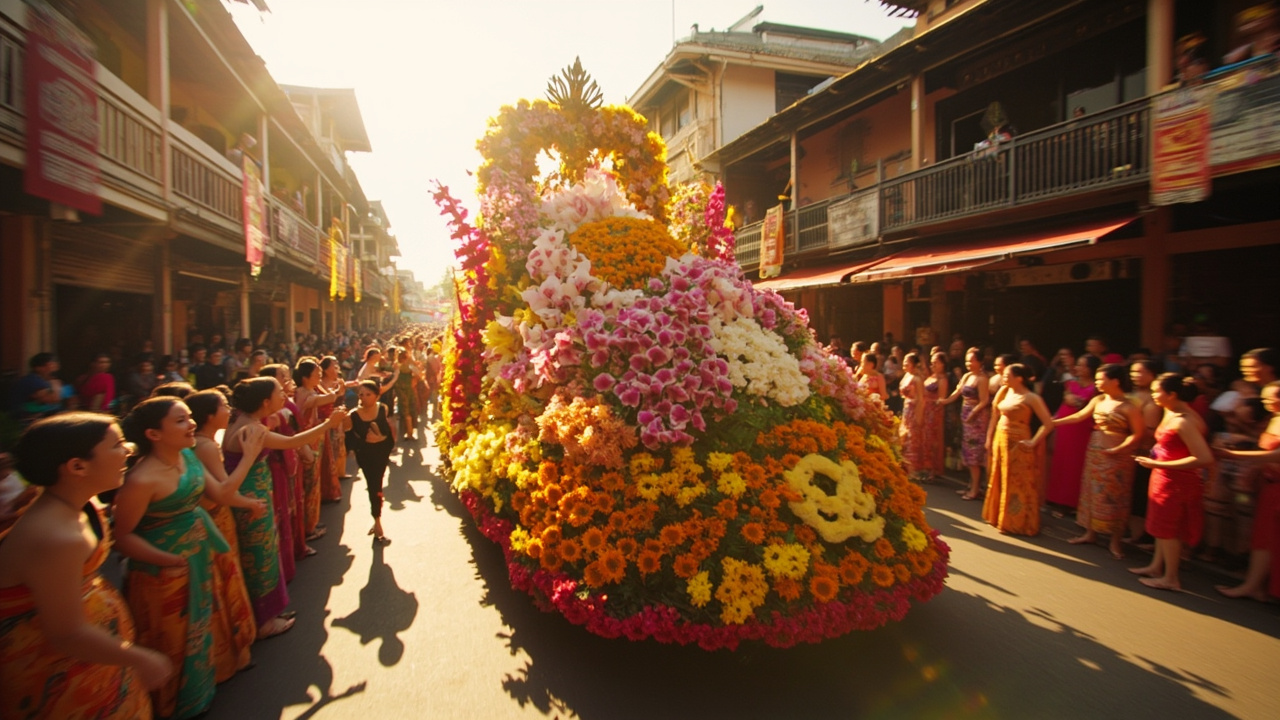
• For families visiting in February, the Chiang Mai Flower Festival showcases stunning floral displays and parades, making it a wonderful time to explore the city while enjoying the beauty of blooming flowers.
Practical Chiang Mai planning note: Lantern releases are subject to current safety, aviation and event rules. Use authorised events and follow local instructions; do not assume visitors may release lanterns anywhere in the city.
Definitely check out the Yi Peng Lantern Festival, where thousands of lanterns are released into the sky. It's a magical sight that celebrates the full moon and is deeply rooted in local culture.
• The Songkran Festival, celebrated in April, is another can't-miss event. It marks the Thai New Year with a massive water fight, where locals and tourists alike splash water on each other for fun and blessings.
• Additionally, the Flower Festival in February showcases stunning floral displays and parades, highlighting the beauty of Chiang Mai's horticultural heritage. It's a colourful celebration that attracts visitors from all over.
Practical Chiang Mai planning note: Lantern releases are subject to current safety, aviation and event rules. Use authorised events and follow local instructions; do not assume visitors may release lanterns anywhere in the city.
Chiang Mai hosts several vibrant festivals throughout the year, many of which take place at its beautiful temples. One of the most popular is the Yi Peng Lantern Festival, typically held in November, where thousands of lanterns are released into the sky, creating a breathtaking sight.
• Another significant event is Songkran, the Thai New Year festival in April, which is often celebrated at temples with water blessing ceremonies, making it a festive time to visit and participate in local traditions.
• Additionally, many temples have their own annual celebrations, such as Buddha Day, where special rituals and ceremonies are held, offering visitors a unique glimpse into the local culture and spirituality.
Practical Chiang Mai planning note: Lantern releases are subject to current safety, aviation and event rules. Use authorised events and follow local instructions; do not assume visitors may release lanterns anywhere in the city.
At local festivals, you'll discover some amazing desserts that showcase the region's culinary creativity. For instance, during the Yi Peng Lantern Festival, stall vendors often serve 'Khanom Krok' with special toppings that celebrate the event.
• Another delightful treat is 'Khanom Chan', a layered coconut pudding that might come in festive colors, adding an artistic flair to your dessert experience.
• During Songkran, many vendors whip up 'Mango Sticky Rice' with a twist, perhaps featuring flavored sticky rice or additional toppings like crushed peanuts or coconut sprinkles, giving you a unique taste of this beloved classic.
Practical Chiang Mai planning note: Lantern releases are subject to current safety, aviation and event rules. Use authorised events and follow local instructions; do not assume visitors may release lanterns anywhere in the city.
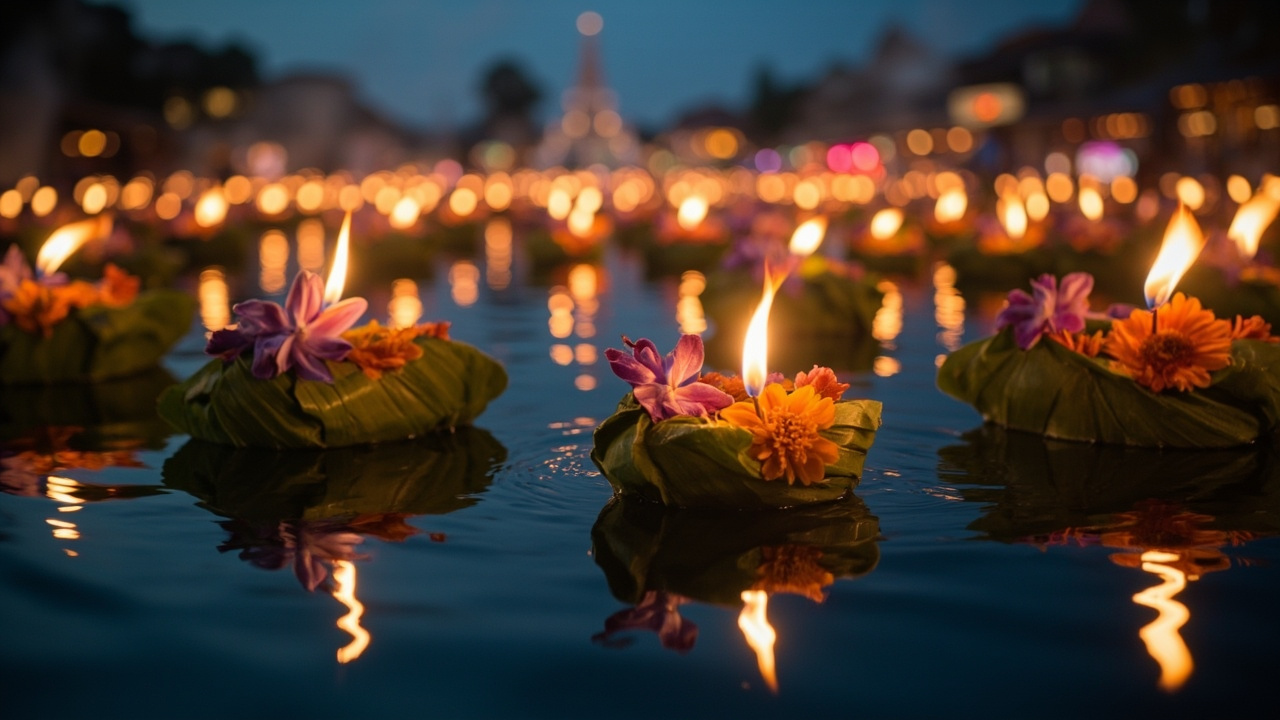
Chiang Mai is famous for its vibrant festivals, especially during Loy Krathong and Yi Peng. These festivals typically take place in November and feature beautiful lantern releases and floating krathongs on the river.
• To join in the festivities, check local event calendars and look for guided tours that can take you to the best viewing spots and help you understand the cultural significance of the celebrations.
• You can also visit local temples during these times, where you'll find traditional performances, food stalls, and activities that reflect the rich culture of Northern Thailand.
• For a more immersive experience, consider volunteering or participating in community events leading up to the festivals. This way, you can learn more about the traditions and meet locals who share their stories and customs.
Practical Chiang Mai planning note: Lantern releases are subject to current safety, aviation and event rules. Use authorised events and follow local instructions; do not assume visitors may release lanterns anywhere in the city.
At many temples in Chiang Mai, you can witness unique rituals like the early morning almsgiving, where locals offer food to monks. This is a beautiful display of community and respect for Buddhist traditions, and it's an excellent way to immerse yourself in local culture.
• Another fascinating ritual is the blessing ceremony, where monks chant prayers over devotees. Participating in this can be quite moving, as it connects you to the spiritual practices of the community.
• During special occasions, such as the Loy Krathong and Yi Peng festivals, you'll see vibrant ceremonies with floating lanterns and beautifully crafted krathongs. These events are not only visually stunning but also deeply symbolic.
Practical Chiang Mai planning note: Lantern releases are subject to current safety, aviation and event rules. Use authorised events and follow local instructions; do not assume visitors may release lanterns anywhere in the city.
Chiang Mai is vibrant with festivals, and one of the most celebrated is Yi Peng, where thousands of lanterns are released into the sky, illuminating the night and creating a magical atmosphere.
• Another important event is Songkran, the Thai New Year festival, known for its water fights throughout the city, celebrating the arrival of the rainy season and offering a chance to cool off in the heat.
• Don't miss the Flower Festival in February, featuring stunning floral displays and parades that showcase the region's rich horticultural traditions and vibrant community spirit.
• Lastly, the Chiang Mai Arts and Cultural Festival highlights local artists and performers, offering workshops, art exhibitions, and live performances that immerse visitors in the local culture.
Practical Chiang Mai planning note: Lantern releases are subject to current safety, aviation and event rules. Use authorised events and follow local instructions; do not assume visitors may release lanterns anywhere in the city.
It's great to enjoy the beauty of the Yi Peng Lantern Festival, but it's also important to be aware of its environmental impact. Many lanterns are made from biodegradable materials, but some may not be, contributing to litter if not disposed of properly.
• Consider participating in eco-friendly initiatives during the festival. Some local organizations promote using lanterns that can be reused or are made from sustainable materials. This approach helps preserve the beauty of the surroundings for future celebrations.
• Additionally, be mindful of the areas where lanterns are released. Avoid launching them in places where they could cause fire hazards or disrupt wildlife. Being conscientious can help ensure that the festival remains a joyous occasion for all!
Practical Chiang Mai planning note: Lantern releases are subject to current safety, aviation and event rules. Use authorised events and follow local instructions; do not assume visitors may release lanterns anywhere in the city.
One of the standout events is the Yi Peng Lantern Festival, usually held in November. It's a breathtaking experience where thousands of lanterns light up the night sky, creating a magical atmosphere.
• If you find yourself in Chiang Mai during Songkran, the Thai New Year in mid-April, get ready for an exciting water festival! Locals and tourists alike engage in playful water fights, making it a fun way to cool off and celebrate.
• For something more traditional, check out the Flower Festival in February. The streets are filled with stunning flower floats and vibrant parades, showcasing the region's rich horticultural heritage.
• Throughout the year, you can also find various local fairs and markets that feature crafts, food, and performances, providing a wonderful glimpse into the local culture.
Practical Chiang Mai planning note: Lantern releases are subject to current safety, aviation and event rules. Use authorised events and follow local instructions; do not assume visitors may release lanterns anywhere in the city.
One of the must-try experiences is a traditional Thai cooking class. Many local chefs offer classes where you can learn to make popular dishes like Pad Thai or Tom Yum from scratch, often starting with a visit to the local market to shop for fresh ingredients.
• Another fantastic option is to participate in a local temple ceremony. Many temples invite visitors to join in meditation sessions or even special events like the Yi Peng Lantern Festival, where you can release a lantern into the sky and make a wish.
• If you're interested in handicrafts, consider attending a workshop for traditional Thai crafts such as umbrella painting or pottery. This hands-on experience not only supports local artisans but also gives you a unique souvenir to take home.
Practical Chiang Mai planning note: Lantern releases are subject to current safety, aviation and event rules. Use authorised events and follow local instructions; do not assume visitors may release lanterns anywhere in the city.
Chiang Mai is a treasure trove of cultural experiences that can enrich your time there. Start by visiting the famous Yi Peng Lantern Festival if you're around in November; it's a breathtaking spectacle.
• Don't miss the local markets like Warorot Market, where you can immerse yourself in the vibrant atmosphere and try delicious street food, or shop for unique handicrafts.
• Participating in a cooking class is another fantastic way to dive into Thai culture. Many classes include a market tour, where you can learn about local ingredients before preparing a meal.
• Lastly, visiting one of the many temples, such as Wat Phra That Doi Suthep, not only offers stunning views but also a glimpse into the spiritual practices of the local people.
Practical Chiang Mai planning note: Lantern releases are subject to current safety, aviation and event rules. Use authorised events and follow local instructions; do not assume visitors may release lanterns anywhere in the city.
Definitely! The Yi Peng Lantern Festival is a must-see; thousands of lanterns fill the sky, creating a magical atmosphere that's perfect for photos.
• Another great time is during the Songkran Festival in mid-April, when many areas light up with festive decorations and nighttime celebrations.
• Also, keep an eye out for local night markets, which often have special lighting and decorations that make the evening strolls even more enjoyable.
Practical Chiang Mai planning note: Lantern releases are subject to current safety, aviation and event rules. Use authorised events and follow local instructions; do not assume visitors may release lanterns anywhere in the city.
One festival you absolutely shouldn't miss is the Yi Peng Lantern Festival, typically held in November. It's a magical experience as thousands of lanterns illuminate the night sky, creating a breathtaking spectacle.
• Another vibrant event is the Songkran Festival in April, celebrating the Thai New Year with water fights and traditional rituals. It's a fun and lively way to immerse yourself in local culture.
• If you happen to visit in January, the Chiang Mai Flower Festival showcases beautiful floral displays and parades, highlighting the region's rich agricultural heritage.
• Lastly, check out the local markets during holiday seasons, as they often feature special events, performances, and unique handicrafts that reflect the local culture and creativity.
Practical Chiang Mai planning note: Lantern releases are subject to current safety, aviation and event rules. Use authorised events and follow local instructions; do not assume visitors may release lanterns anywhere in the city.
Chiang Mai is known for its vibrant festivals, and timing your visit to coincide with one can be a highlight of your trip. The Yi Peng Lantern Festival and Songkran Water Festival are particularly famous, drawing both locals and tourists.
• To make the most of these events, check the festival dates in advance, as they can vary each year. Arriving early will give you a chance to find a good viewing spot and soak in the atmosphere.
• Dress appropriately for the weather and the occasion. During Songkran, wearing quick-drying clothes is a good idea since you're likely to get wet! Also, don't forget your water gun if you want to join in the fun.
• Engage with locals during these celebrations; they're often happy to share stories and traditions associated with the festivals, making your experience even richer.
Practical Chiang Mai planning note: Lantern releases are subject to current safety, aviation and event rules. Use authorised events and follow local instructions; do not assume visitors may release lanterns anywhere in the city.
Chiang Mai is known for its vibrant festivals, especially the Yi Peng Lantern Festival and the Songkran water festival. Make sure to check the dates to plan your visit accordingly.
• During Yi Peng, you can release a lantern into the sky, which is a magical experience. The streets are filled with beautiful decorations, and the atmosphere is truly festive.
• Songkran, celebrated in April, is the Thai New Year, and it's famous for its water fights. Locals and tourists alike take to the streets with water guns and buckets, making it a fun and lively time to be in the city.
• Besides these major events, keep an eye out for smaller local festivals that might be happening during your stay, as they often feature traditional performances, food stalls, and local crafts.
Practical Chiang Mai planning note: Lantern releases are subject to current safety, aviation and event rules. Use authorised events and follow local instructions; do not assume visitors may release lanterns anywhere in the city.
Chiang Mai hosts some incredible festivals throughout the year, with Yi Peng and Loy Krathong being the most famous for their stunning lantern displays.
• Check the festival dates in advance, as they can vary each year based on the lunar calendar. Planning your visit around these events can enhance your experience immensely.
• Participating in the festivals is a great way to immerse yourself in local culture. Many events allow visitors to join in traditional activities, like making krathongs to float on the river during Loy Krathong.
• Feel free to ask locals about their traditions and customs during the festivals; they often love sharing stories and insights about the significance of the celebrations.
Practical Chiang Mai planning note: Lantern releases are subject to current safety, aviation and event rules. Use authorised events and follow local instructions; do not assume visitors may release lanterns anywhere in the city.
One of the best ways to engage with local traditions is to join in during festivals like Yi Peng or Songkran, where you can experience the vibrant celebrations firsthand.
• Consider taking part in a traditional cooking class to learn how to prepare authentic Thai dishes from local chefs, providing insight into the cultural significance of each ingredient.
• You might also explore temples and ask if they offer any cultural ceremonies or meditation sessions, which can be a profound way to connect with the local spiritual practices.
• Lastly, don't shy away from engaging with local artisans in workshops, as this hands-on experience can offer a deeper understanding of their crafts and traditions.
Practical Chiang Mai planning note: Lantern releases are subject to current safety, aviation and event rules. Use authorised events and follow local instructions; do not assume visitors may release lanterns anywhere in the city.
Yes, Chiang Mai often hosts music events that beautifully celebrate the local culture, such as traditional Lanna music festivals.
• These events typically showcase local artists performing folk songs and instrumental pieces that highlight the region's rich heritage.
• You'll also find events that blend traditional Thai music with contemporary genres, offering a unique experience for attendees.
• Visiting during special occasions like Loy Krathong can also lead to unique music events, as many performances are held to celebrate this beautiful festival.
Practical Chiang Mai planning note: Lantern releases are subject to current safety, aviation and event rules. Use authorised events and follow local instructions; do not assume visitors may release lanterns anywhere in the city.
Absolutely! The Yi Peng Lantern Festival is a breathtaking sight, where thousands of lanterns are released into the sky, creating a magical atmosphere.
• Songkran, the traditional Thai New Year, is another exciting festival celebrated with water fights and cultural ceremonies. It usually takes place in mid-April and is a fun, energetic experience.
• The Flower Festival in February showcases beautiful floral displays and parades, celebrating the region's vibrant horticulture.
• Lastly, the Chiang Mai Arts and Culture Festival allows you to dive into the local arts scene, featuring performances, exhibitions, and workshops that highlight Chiang Mai's rich cultural heritage.
Practical Chiang Mai planning note: Lantern releases are subject to current safety, aviation and event rules. Use authorised events and follow local instructions; do not assume visitors may release lanterns anywhere in the city.
Start by checking the exact dates, as Yi Peng often coincides with Loy Krathong, usually in November. Planning ahead will help you secure accommodations and avoid last-minute hassles.
• Consider joining a lantern release event, which can be more organized and provide a unique experience. Many local organizations offer packages that include food and cultural performances.
• Don't forget to pick up a lantern at one of the many stalls. It's a wonderful way to participate in the festival! Be sure to write your wishes on it before releasing it into the night sky.
• Lastly, familiarize yourself with local customs. While it's a festive time, respecting the traditions of the event, like not releasing lanterns near temples, is essential for a meaningful experience.
Practical Chiang Mai planning note: Lantern releases are subject to current safety, aviation and event rules. Use authorised events and follow local instructions; do not assume visitors may release lanterns anywhere in the city.
Chiang Mai is famous for its vibrant festivals, with Yi Peng and Loi Krathong being the most iconic. During these events, you'll see thousands of lanterns lighting up the night sky, creating a truly magical atmosphere.
• Another notable festival is Songkran, the Thai New Year celebration in April, which is marked by water fights and street parties. It's a fun way to cool off and engage with locals.
• Don't miss the Flower Festival in February, showcasing stunning floral displays and parades that highlight the city's lush beauty. Each festival offers a unique glimpse into local culture and traditions.
Practical Chiang Mai planning note: Lantern releases are subject to current safety, aviation and event rules. Use authorised events and follow local instructions; do not assume visitors may release lanterns anywhere in the city.
During festivals like Yi Peng and Songkran, you'll find special street food dishes that add to the festive spirit.
• One standout is 'Khao Niew Mamuang,' a sweet sticky rice with mango, which is often served during celebrations.
• You might also come across unique snacks like 'Kanom Krok,' which are coconut milk pancakes cooked in small cast iron pans - they're deliciously crispy on the outside and soft on the inside.
• These festival treats not only taste great but also offer a glimpse into the local culture and traditions.
Practical Chiang Mai planning note: Lantern releases are subject to current safety, aviation and event rules. Use authorised events and follow local instructions; do not assume visitors may release lanterns anywhere in the city.
Yes, Chiang Mai hosts the famous Yi Peng Lantern Festival, usually in November, where thousands of lanterns light up the night sky, offering a magical outdoor experience.
• Another festival is the Flower Festival in early February, showcasing stunning floral displays and parades that celebrate the region's rich biodiversity.
• These festivals not only highlight Chiang Mai's natural beauty but also provide opportunities to connect with local culture through food, music, and art.
Practical Chiang Mai planning note: Lantern releases are subject to current safety, aviation and event rules. Use authorised events and follow local instructions; do not assume visitors may release lanterns anywhere in the city.
Yes, many historical temples in Chiang Mai host vibrant festivals throughout the year. For instance, at Wat Phra That Doi Suthep, you can experience the magnificent celebrations during the Visakha Bucha Day, which honors the birth, enlightenment, and death of Buddha.
• Additionally, Wat Chedi Luang often has cultural events during the Yi Peng Lantern Festival, where beautiful lanterns are released into the sky, creating a magical atmosphere.
• These events not only showcase the rich cultural heritage of the area but also provide a unique opportunity for visitors to immerse themselves in local traditions.
Practical Chiang Mai planning note: Lantern releases are subject to current safety, aviation and event rules. Use authorised events and follow local instructions; do not assume visitors may release lanterns anywhere in the city.
Yes, Chiang Mai hosts several cultural festivals throughout the year that showcase traditional crafts, like the Yi Peng Lantern Festival. During this time, you'll find artisans displaying their crafts and even participating in workshops.
• The Songkran Festival, celebrated in April, also features local artisans who create and sell handcrafted goods, along with various cultural performances that highlight traditional crafts.
• These festivals not only allow you to see crafts in action but also immerse you in the vibrant local culture, making it a perfect time to connect with artisans.
Practical Chiang Mai planning note: Lantern releases are subject to current safety, aviation and event rules. Use authorised events and follow local instructions; do not assume visitors may release lanterns anywhere in the city.
Chiang Mai is rich in culture, and one of the best ways to immerse yourself is by participating in local festivals like Yi Peng Lantern Festival. Watching thousands of lanterns light up the night sky is truly magical.
• Consider taking a cooking class to learn how to prepare traditional Thai dishes. Many local schools offer hands-on experiences, where you'll shop for ingredients at local markets before cooking.
• Visiting local markets is a must, where you can not only shop for fresh produce and handmade crafts but also sample street food that reflects the region's culinary diversity.
Practical Chiang Mai planning note: Lantern releases are subject to current safety, aviation and event rules. Use authorised events and follow local instructions; do not assume visitors may release lanterns anywhere in the city.
To experience traditional Thai festivals in Chiang Mai, you'll want to plan your visit around key events like Yi Peng Lantern Festival and Songkran (Thai New Year). These festivals are vibrant and filled with local culture.
• Check local calendars or tourism websites for dates, as these festivals often feature parades, traditional dances, and delicious food stalls.
• Participating in the festivities is a great way to connect with locals. Don't hesitate to join in on the activities, especially during Songkran where water fights are a fun highlight.
• Be mindful of local customs, like dressing appropriately when visiting temples during festivals, and be ready for large crowds, especially in popular areas.
Practical Chiang Mai planning note: Lantern releases are subject to current safety, aviation and event rules. Use authorised events and follow local instructions; do not assume visitors may release lanterns anywhere in the city.
Local festivals in Chiang Mai are often closely aligned with the seasons, and organizers are quite skilled at adapting to the weather. For instance, during the Yi Peng Lantern Festival in November, the cooler, dry weather creates a magical atmosphere, perfect for releasing lanterns into the night sky.
• In contrast, during the rainy season, festival planners might schedule events earlier in the day to avoid afternoon downpours, or have contingency plans for indoor venues. The vibrant Flower Festival in February, for example, benefits from the mild temperatures, making it a great time to experience the blooming flora.
• So if you're planning to visit during a festival, it's always a good idea to check the local weather forecasts and be prepared for potential changes. This way, you can fully enjoy the festivities, rain or shine!
Practical Chiang Mai planning note: Lantern releases are subject to current safety, aviation and event rules. Use authorised events and follow local instructions; do not assume visitors may release lanterns anywhere in the city.
Engaging in local festivals is a fantastic way to immerse yourself in Chiang Mai's vibrant culture. Events like Yi Peng Lantern Festival or Songkran offer unique insights into local traditions and community spirit.
• Consider taking part in a traditional cooking class where you can learn to prepare authentic Thai dishes using local ingredients. This not only supports local economies but also connects you with the culinary heritage of the region.
• Visiting local markets is another must-do. Places like the Warorot Market showcase local produce, handicrafts, and street food, giving you a real taste of daily life and community interactions.
• Don't miss opportunities to interact with local artisans. Many eco-lodges offer workshops where you can learn crafts like weaving or pottery, providing a deeper understanding of the skills passed down through generations.
Practical Chiang Mai planning note: Lantern releases are subject to current safety, aviation and event rules. Use authorised events and follow local instructions; do not assume visitors may release lanterns anywhere in the city.
During cultural festivals in Chiang Mai, you can engage in various traditional crafts, like making your own Krathong during Loy Krathong, which is a fun and meaningful activity.
• Many festivals also feature workshops where you can learn local handicrafts, such as weaving or pottery, often led by skilled artisans eager to share their knowledge. It's a fantastic way to connect with the local culture.
• Additionally, you might find activities like traditional Thai dance workshops or cooking classes that coincide with these celebrations. Participating not only enriches your experience but also supports local artisans and communities.
Practical Chiang Mai planning note: Lantern releases are subject to current safety, aviation and event rules. Use authorised events and follow local instructions; do not assume visitors may release lanterns anywhere in the city.
Engaging with local communities during the Yi Peng Lantern Festival can enrich your experience. Start by visiting local markets where artisans sell handmade lanterns and traditional foods. This is a great way to support local businesses and learn about their crafts.
• Participating in community workshops can also be rewarding. Many towns host lantern-making sessions leading up to the festival, allowing you to learn about the cultural significance of the lanterns while creating your own.
• Don't hesitate to strike up conversations with locals at the festival. They often appreciate sharing their traditions and stories, which can provide a deeper understanding of the festival's significance and the customs surrounding it.
Practical Chiang Mai planning note: Lantern releases are subject to current safety, aviation and event rules. Use authorised events and follow local instructions; do not assume visitors may release lanterns anywhere in the city.
Chiang Mai is rich in cultural festivals, providing a fantastic way to immerse yourself in local traditions.
• The Yi Peng Lantern Festival is a must-see, where thousands of lanterns fill the sky, creating a magical atmosphere. It's celebrated in November, so plan your visit accordingly.
• Another significant event is Songkran, the Thai New Year festival in April, which features vibrant water fights and cultural ceremonies.
• Checking local calendars or asking at your accommodation can help you find out which festivals are happening during your stay, ensuring you don't miss out on these unique experiences.
Practical Chiang Mai planning note: Lantern releases are subject to current safety, aviation and event rules. Use authorised events and follow local instructions; do not assume visitors may release lanterns anywhere in the city.
Participating in a traditional Thai ceremony can be a deeply enriching experience. Many temples offer opportunities for visitors to join in on cultural rituals, especially during major festivals like Loy Krathong, where you can float your own krathong on the water as a gesture of gratitude.
• If you're interested in something more intimate, you might find local families who welcome visitors to partake in ceremonies such as a blessing ceremony or a traditional marriage celebration. It's best to connect with local guides or cultural organizations that facilitate these experiences.
Practical Chiang Mai planning note: Lantern releases are subject to current safety, aviation and event rules. Use authorised events and follow local instructions; do not assume visitors may release lanterns anywhere in the city.
Local festivals in Chiang Mai beautifully intertwine with historical attractions, bringing the city's heritage to life. For instance, during Yi Peng and Loy Krathong, the area around Wat Phra That Doi Suthep becomes a vibrant center of celebration, drawing thousands of visitors who witness the magical sight of lanterns lighting up the night sky.
• These festivals often include traditional performances and rituals that take place at significant historical sites, like the Three Kings Monument, which honors the founders of Chiang Mai. It's a fantastic way to connect with the city's past while enjoying the festivities.
• Additionally, many temples, such as Wat Chedi Luang, hold special ceremonies during these times, allowing visitors to participate in local customs that have been upheld for generations. This immersion creates a unique blend of history and culture that enhances the visitor experience.
Practical Chiang Mai planning note: Lantern releases are subject to current safety, aviation and event rules. Use authorised events and follow local instructions; do not assume visitors may release lanterns anywhere in the city.
Chiang Mai is famous for its vibrant festivals that showcase rich local traditions. One of the highlights is the Yi Peng Lantern Festival, where thousands of lanterns are released into the sky, creating a breathtaking sight that symbolizes letting go of misfortunes.
• Another significant celebration is Songkran, the Thai New Year, marked by lively water fights and rituals that involve visiting temples. It's a fantastic way to immerse yourself in the local culture and connect with residents celebrating the new year.
• Don't miss the Flower Festival held in February, showcasing stunning floral displays and traditional parades, perfect for experiencing the local community spirit and artistry.
Practical Chiang Mai planning note: Lantern releases are subject to current safety, aviation and event rules. Use authorised events and follow local instructions; do not assume visitors may release lanterns anywhere in the city.
When photographing festivals like Yi Peng or Songkran, timing is everything. Arrive early to scout locations and secure great spots, especially for things like lantern releases or parades.
• Engage with the locals and ask them about the festival's significance. This not only enriches your understanding but can lead to more intimate and meaningful photographs.
• Experiment with different perspectives. Instead of just wide shots of the crowd, try close-ups of faces or details of traditional clothing to convey emotions and the spirit of the event.
• Be mindful of the lighting. Festivals often take place in the evening, so be prepared with a fast lens and consider using a tripod for stability in low light conditions.
Practical Chiang Mai planning note: Lantern releases are subject to current safety, aviation and event rules. Use authorised events and follow local instructions; do not assume visitors may release lanterns anywhere in the city.
Chiang Mai is famous for its vibrant festivals, with the Yi Peng Lantern Festival and Songkran being the most celebrated. Yi Peng usually takes place in November, where you can witness thousands of lanterns lighting up the night sky.
• During Songkran, which occurs in mid-April, the city transforms into a water fight zone, celebrating the Thai New Year. It's both exhilarating and a great way to cool off!
• It's important to plan your visit around these dates as accommodations fill up quickly and events can draw massive crowds. Participating in the festivities is a unique experience you won't want to miss!
Practical Chiang Mai planning note: Lantern releases are subject to current safety, aviation and event rules. Use authorised events and follow local instructions; do not assume visitors may release lanterns anywhere in the city.
Temples in Chiang Mai host numerous religious events throughout the year, like the Yi Peng Lantern Festival and the Songkran celebrations.
• These events often attract large crowds, so knowing the schedule can enhance your visit and allow for participation in local traditions.
• AI assistants can provide updates on these events, including timings and any special rituals, making it easier for visitors to plan their trips.
Practical Chiang Mai planning note: Lantern releases are subject to current safety, aviation and event rules. Use authorised events and follow local instructions; do not assume visitors may release lanterns anywhere in the city.
Chiang Mai offers a variety of cultural experiences that allow visitors to connect with local traditions. One standout option is participating in a traditional Thai cooking class where you can learn to prepare authentic dishes using fresh ingredients.
• Another great experience is attending a monk chat, where you can engage in meaningful conversations with monks about their lifestyle and beliefs, gaining insights into Buddhism and local culture.
• If you're looking for something more hands-on, consider taking a workshop in traditional crafts like silk weaving or pottery, which helps support local artisans and keeps these ancient skills alive.
• Lastly, don't miss the vibrant festivals throughout the year, such as Yi Peng Lantern Festival or Songkran, which provide a deep dive into the local customs and community spirit.
Practical Chiang Mai planning note: Lantern releases are subject to current safety, aviation and event rules. Use authorised events and follow local instructions; do not assume visitors may release lanterns anywhere in the city.
Participating in cultural festivals like Songkran and Loy Krathong can be a fantastic way for local businesses to connect with tourists and build relationships.
• For instance, restaurants could offer special menus or discounts during these festivals, while shops might showcase traditional crafts or local delicacies.
• Using AI Assistants from Own The Conversation - - can help businesses answer inquiries about festival schedules, provide directions, and share their unique offerings in multiple languages, making it easier for tourists to choose them.
Practical Chiang Mai planning note: Lantern releases are subject to current safety, aviation and event rules. Use authorised events and follow local instructions; do not assume visitors may release lanterns anywhere in the city. Confirm that any named venue still operates and check its present opening days, booking method and location directly.
During festivals like Yi Peng or Songkran, transportation can get tricky due to road closures and increased demand. It's wise to book your transport in advance, whether it's a taxi or a tour that includes transportation.
• Using apps like Grab can help you secure a ride when taxis are scarce, but be prepared for longer wait times during peak hours.
• Additionally, consider timing your travel around festival events to avoid getting stuck in traffic, and keep an eye on local news for any updates regarding transportation options.
Practical Chiang Mai planning note: Lantern releases are subject to current safety, aviation and event rules. Use authorised events and follow local instructions; do not assume visitors may release lanterns anywhere in the city. Confirm that any named venue still operates and check its present opening days, booking method and location directly.
Absolutely! Many workshops in Chiang Mai align their themes with local festivals, providing unique opportunities to learn about cultural practices tied to those events.
• For example, during the Loy Krathong festival, you might find workshops on making floating lanterns or traditional krathongs, which are integral to the celebration.
• These seasonal workshops not only enrich your experience but also allow you to participate in the cultural festivities directly.
• Using AI Assistants from Own The Conversation - can help you find specific workshops or events happening during your visit, ensuring you don't miss out on these special experiences.
Practical Chiang Mai planning note: Lantern releases are subject to current safety, aviation and event rules. Use authorised events and follow local instructions; do not assume visitors may release lanterns anywhere in the city. Confirm that any named venue still operates and check its present opening days, booking method and location directly.
Yes, Chiang Mai hosts several art festivals throughout the year, such as the Chiang Mai Arts and Cultural Festival, which showcases local artists, craftspeople, and performances, celebrating the rich cultural tapestry of the region.
• Another notable event is the Yi Peng Lantern Festival, where art meets tradition, with stunning displays of lanterns that create a magical atmosphere and highlight local artistic expressions.
• These festivals are fantastic opportunities to interact with artists, purchase unique artworks, and immerse yourself in the vibrant local culture.
Practical Chiang Mai planning note: Lantern releases are subject to current safety, aviation and event rules. Use authorised events and follow local instructions; do not assume visitors may release lanterns anywhere in the city.
Yes, Chiang Mai markets often host seasonal events and festivals that highlight local traditions and products. For example, during the Yi Peng Lantern Festival, you might find markets selling traditional crafts and foods associated with the celebration.
• Keep an eye out for special night markets or pop-up events that feature local artists and musicians, creating a lively atmosphere that goes beyond shopping.
Practical Chiang Mai planning note: Lantern releases are subject to current safety, aviation and event rules. Use authorised events and follow local instructions; do not assume visitors may release lanterns anywhere in the city.
Chiang Mai is known for its vibrant festivals, and one of the most famous is Yi Peng, celebrated in November. During this festival, thousands of lanterns are released into the sky, creating a magical atmosphere.
• Another key event is Songkran, the Thai New Year in April, where water fights take over the streets. It's a fun way to cool off and participate in local traditions.
• If you're interested in flowers, don't miss the Chiang Mai Flower Festival in February, showcasing stunning floral displays and parades, reflecting the city's rich horticultural heritage.
Practical Chiang Mai planning note: Lantern releases are subject to current safety, aviation and event rules. Use authorised events and follow local instructions; do not assume visitors may release lanterns anywhere in the city.
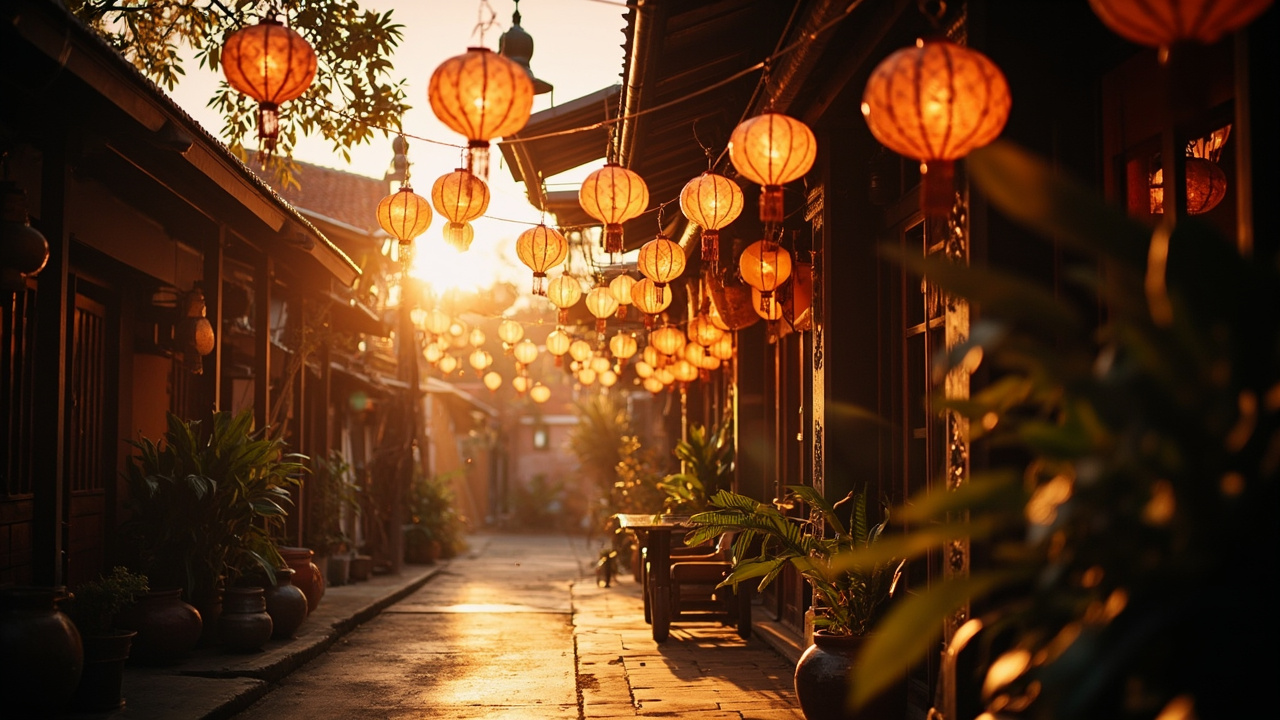
Releasing lanterns (khom loi) into the sky, symbolising the letting go of misfortunes. Decorating homes and streets with colourful lanterns and lights. Participating in traditional Lanna music and dance performances. Enjoying delicious local street food and snacks throughout the festival. Experiencing the beautiful sight of thousands of lanterns illuminating the night sky.
Practical Chiang Mai planning note: Lantern releases are subject to current safety, aviation and event rules. Use authorised events and follow local instructions; do not assume visitors may release lanterns anywhere in the city.
• The best time to visit Chiang Mai is from November to February when the weather is cooler and drier.
• March to June can be quite hot, with temperatures often exceeding 35°C.
• The rainy season runs from June to October, with the heaviest rainfall typically in August and September.
• Consider timing your visit to coincide with local festivals, such as Yi Peng Lantern Festival in November.
Practical Chiang Mai planning note: Lantern releases are subject to current safety, aviation and event rules. Use authorised events and follow local instructions; do not assume visitors may release lanterns anywhere in the city.
Start your trip by exploring local markets like Warorot, where you can taste authentic Thai street food and buy handmade crafts. It's a great way to engage with the locals.
• Consider taking part in a traditional cooking class where you can learn to make dishes like Pad Thai or Green Curry. Not only will you enjoy the food, but you'll also gain insight into Thai culinary culture.
• Visiting temples is essential, but try to go during community events or festivals for a richer experience. Festivals like Yi Peng or Songkran offer a unique glimpse into local traditions and celebrations.
Practical Chiang Mai planning note: Lantern releases are subject to current safety, aviation and event rules. Use authorised events and follow local instructions; do not assume visitors may release lanterns anywhere in the city.
Yes! Chiang Mai hosts several seasonal fairs, especially around major festivals like Songkran and Loy Krathong, where you can find a wider selection of handicrafts.
• These fairs often feature local artisans showcasing their work, making it a great opportunity to find unique items while supporting the community.
Practical Chiang Mai planning note: Lantern releases are subject to current safety, aviation and event rules. Use authorised events and follow local instructions; do not assume visitors may release lanterns anywhere in the city.
Certainly! The Yi Peng Lantern Festival is a breathtaking event where thousands of lanterns are released into the sky, symbolizing the letting go of worries and welcoming new beginnings. It's not only visually stunning but deeply spiritual.
• Another key event is the Visakha Bucha Day, which commemorates important events in Buddha's life. During this time, you can witness locals participating in merit-making activities and candlelit processions, reflecting a strong sense of community.
• Lastly, Songkran, the Thai New Year, blends celebration with spiritual rituals, as people visit temples to pay respect to the Buddha and their ancestors while engaging in fun water festivities. It's a great way to experience the intertwining of joy and spirituality in local culture.
Practical Chiang Mai planning note: Lantern releases are subject to current safety, aviation and event rules. Use authorised events and follow local instructions; do not assume visitors may release lanterns anywhere in the city.
To immerse yourself in Chiang Mai's rich culture, start with a visit to some of the city's iconic temples, like Wat Phra Singh and Wat Chedi Luang. Each temple has its own story and unique architecture that reflects Lanna culture.
• Participating in a local cooking class is another fantastic way to dive into the culture. You'll learn to prepare traditional dishes and can often shop for fresh ingredients at nearby markets.
• Consider timing your visit to coincide with a local festival, such as Yi Peng or Songkran, where you can truly experience the vibrant traditions and community spirit of Chiang Mai.
• Lastly, don't overlook the value of local workshops, like Thai handicrafts or traditional dance classes. These hands-on experiences offer a glimpse into the daily lives and artistic expressions of the locals.
Practical Chiang Mai planning note: Lantern releases are subject to current safety, aviation and event rules. Use authorised events and follow local instructions; do not assume visitors may release lanterns anywhere in the city.
As the Yi Peng Lantern Festival approaches, local businesses can enhance their visibility by creating festive displays that resonate with the holiday spirit. Think vibrant decorations and themed promotions that reflect the beauty of the lanterns.
• Engaging with the community is key. Consider hosting workshops or events related to lantern-making or traditional food offerings, which can draw in both locals and tourists.
• Utilizing AI Assistants from Own The Conversation - can help manage customer inquiries efficiently during this busy time, ensuring that questions about events, reservations, or special offers are answered promptly.
Practical Chiang Mai planning note: Lantern releases are subject to current safety, aviation and event rules. Use authorised events and follow local instructions; do not assume visitors may release lanterns anywhere in the city. Confirm that any named venue still operates and check its present opening days, booking method and location directly.
Chiang Mai offers a variety of unique cultural experiences:
- **Traditional Thai Cooking Classes**: Learn to cook authentic Thai dishes.
- **Monk Chat**: Engage in conversations with monks at local temples.
- **Lanna Cultural Centre**: Discover the history and culture of the Lanna Kingdom.
- **Night Bazaar**: Explore local handicrafts and street food in a vibrant market setting.
- **Festivals**: Experience Yi Peng Lantern Festival or Songkran Water Festival for local traditions.
Practical Chiang Mai planning note: Lantern releases are subject to current safety, aviation and event rules. Use authorised events and follow local instructions; do not assume visitors may release lanterns anywhere in the city.
Yes! One of the most spectacular events is Yi Peng, the lantern festival, where thousands of lanterns fill the night sky, creating a magical atmosphere.
• Another significant celebration is Songkran, the Thai New Year, which involves water pouring rituals at temples, symbolizing cleansing and renewal. It's a vibrant time to experience local culture.
• Each temple may have its own unique rituals throughout the year, so it's wise to check their schedules or local calendars to immerse yourself in these traditions.
Practical Chiang Mai planning note: Lantern releases are subject to current safety, aviation and event rules. Use authorised events and follow local instructions; do not assume visitors may release lanterns anywhere in the city.
To truly immerse yourself in the local culture of Chiang Mai, consider participating in a cooking class where you can learn to prepare traditional Thai dishes. Many classes take you to local markets to shop for fresh ingredients, providing a wonderful glimpse into daily life.
• Another fantastic way is to attend a local festival. Events like Yi Peng and Songkran not only showcase vibrant traditions but also invite you to join in the celebrations. It's a fun way to make memories and meet locals.
• Volunteering at community-based projects can also be rewarding. Organizations often welcome help and provide insights into local customs and lifestyles. Plus, it's a great way to give back while you're visiting.
Practical Chiang Mai planning note: Lantern releases are subject to current safety, aviation and event rules. Use authorised events and follow local instructions; do not assume visitors may release lanterns anywhere in the city.
The Lanna Kingdom significantly enriched Chiang Mai's cultural landscape through its unique blend of customs, art, and religious practices. As a melting pot of diverse influences, it fostered a vibrant artistic scene, evident in the intricate designs of local temples and traditional crafts.
• Buddhism played a crucial role in shaping the spiritual life of the community, leading to festivals and rituals that are still celebrated today, like Yi Peng. The Lanna Kingdom's legacy is also reflected in the language and culinary traditions that continue to thrive in Chiang Mai.
Practical Chiang Mai planning note: Lantern releases are subject to current safety, aviation and event rules. Use authorised events and follow local instructions; do not assume visitors may release lanterns anywhere in the city.
Chiang Mai hosts several vibrant festivals, including: - **Yi Peng Lantern Festival**: Celebrated in November, where thousands of lanterns are released into the sky. - **Songkran**: The Thai New Year water festival in April, featuring lively water fights. - **Loi Krathong**: A beautiful festival of lights, where decorative floats are set adrift on waterways.
Practical Chiang Mai planning note: Lantern releases are subject to current safety, aviation and event rules. Use authorised events and follow local instructions; do not assume visitors may release lanterns anywhere in the city.
Visiting Chiang Mai during peak tourist seasons, such as the Yi Peng Lantern Festival or Songkran, can be exciting yet overwhelming. To make your experience smoother, consider booking accommodations well in advance to avoid last-minute hassles.
• Utilizing AI Assistants from Own The Conversation - can help local businesses manage inquiries and reservations efficiently, ensuring you have timely responses and are well-informed about your options.
Practical Chiang Mai planning note: Lantern releases are subject to current safety, aviation and event rules. Use authorised events and follow local instructions; do not assume visitors may release lanterns anywhere in the city. Confirm that any named venue still operates and check its present opening days, booking method and location directly.
• Stay aware of your surroundings, especially in crowded areas.
• Follow any local guidelines regarding lantern releases to ensure safety.
• Keep a safe distance from open flames and avoid releasing lanterns near buildings or trees.
• Consider wearing a mask if you are sensitive to smoke from the lanterns.
• Have a plan for your return journey, as transport may be busy after the festivities.
Practical Chiang Mai planning note: Lantern releases are subject to current safety, aviation and event rules. Use authorised events and follow local instructions; do not assume visitors may release lanterns anywhere in the city.