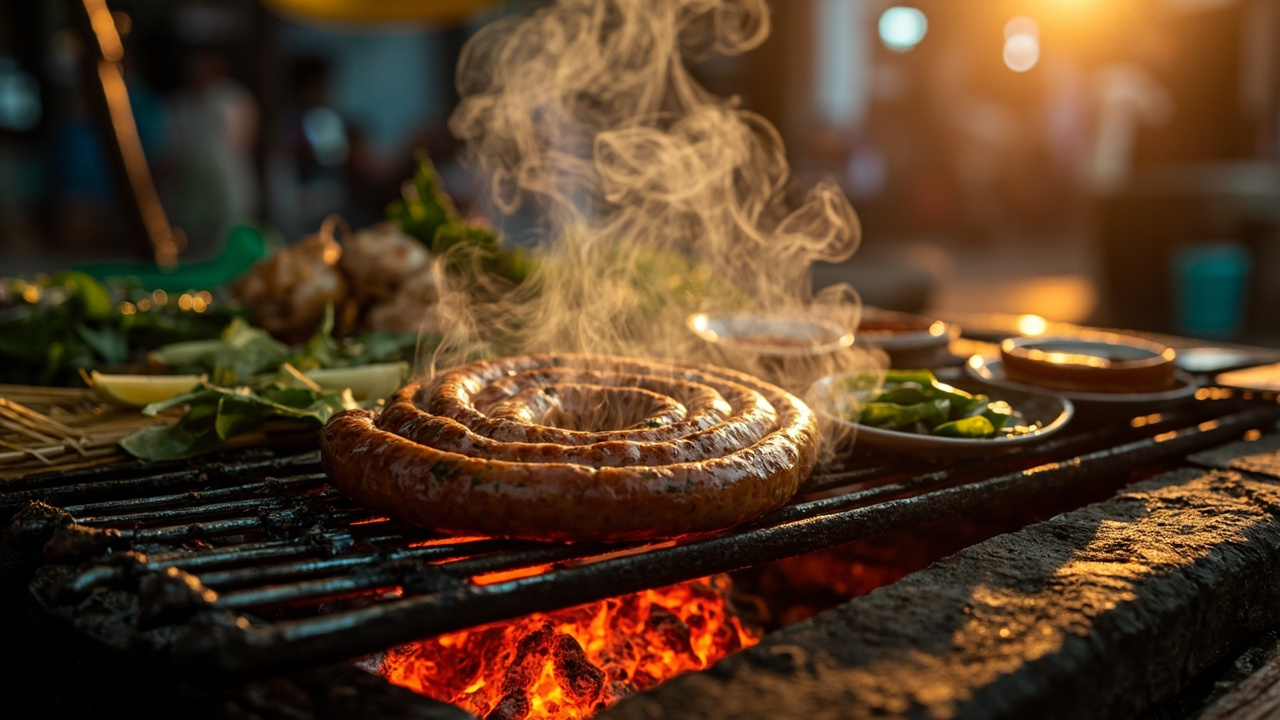
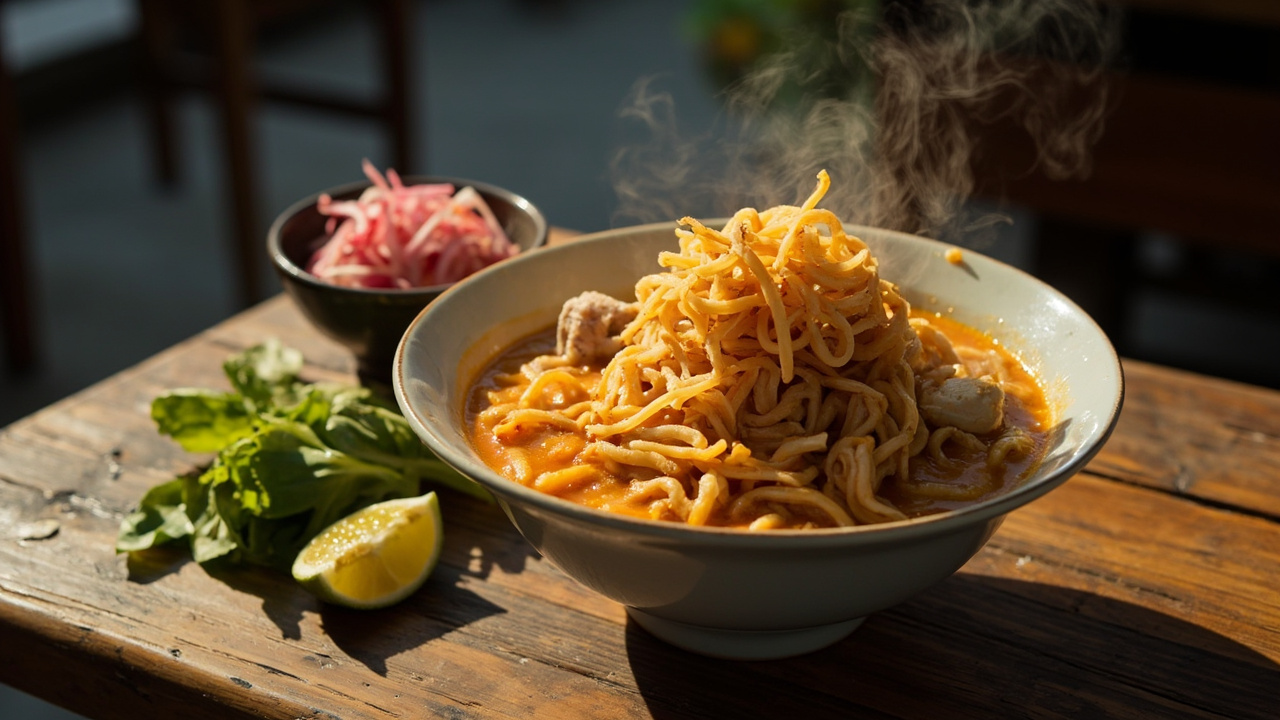
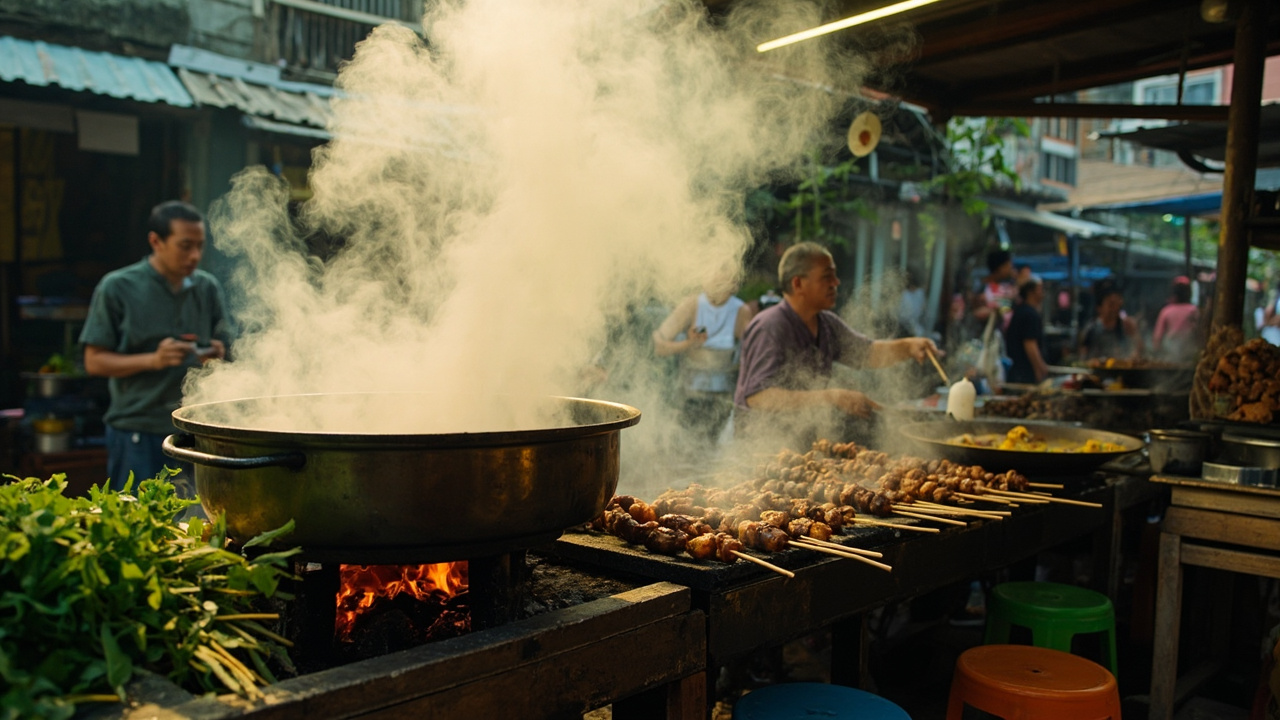
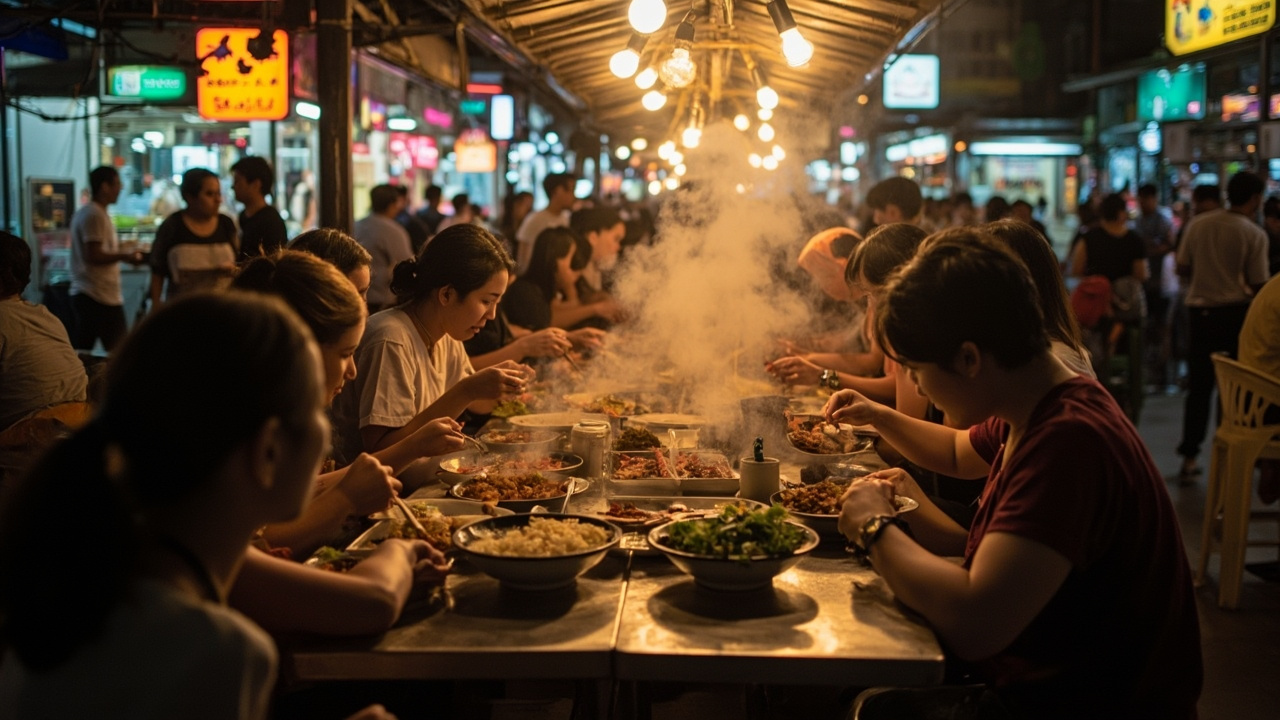
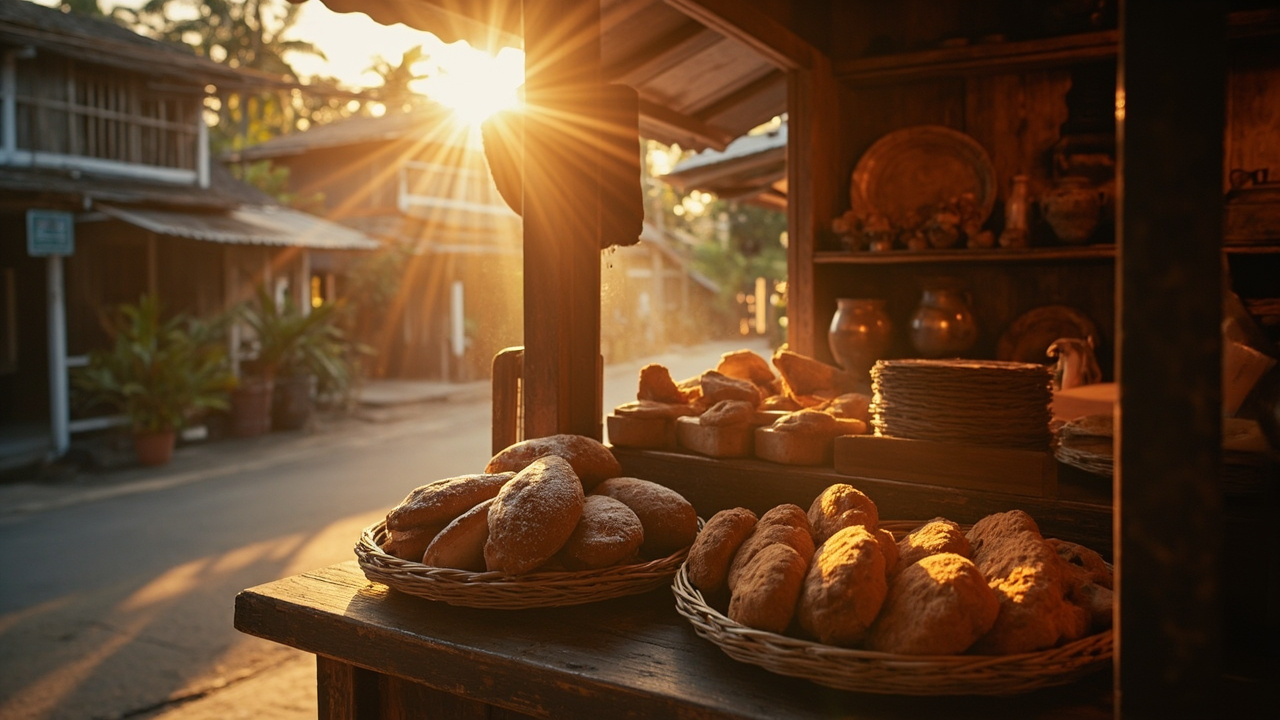
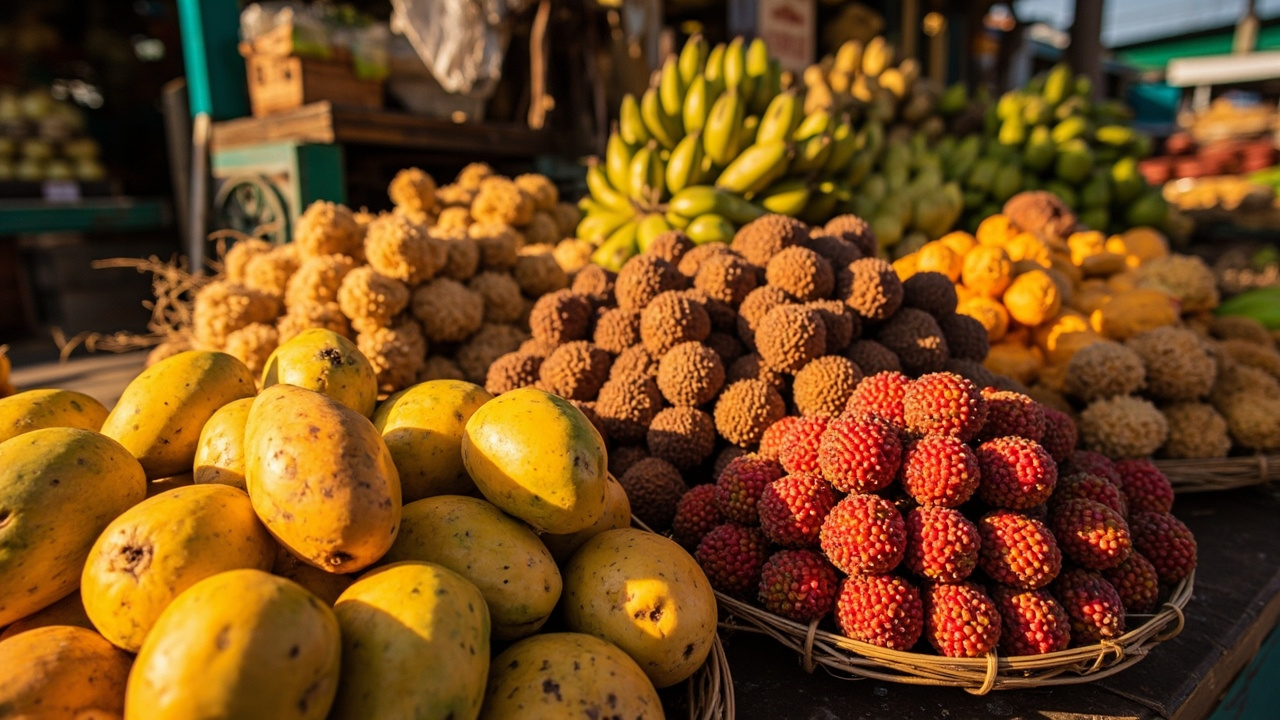
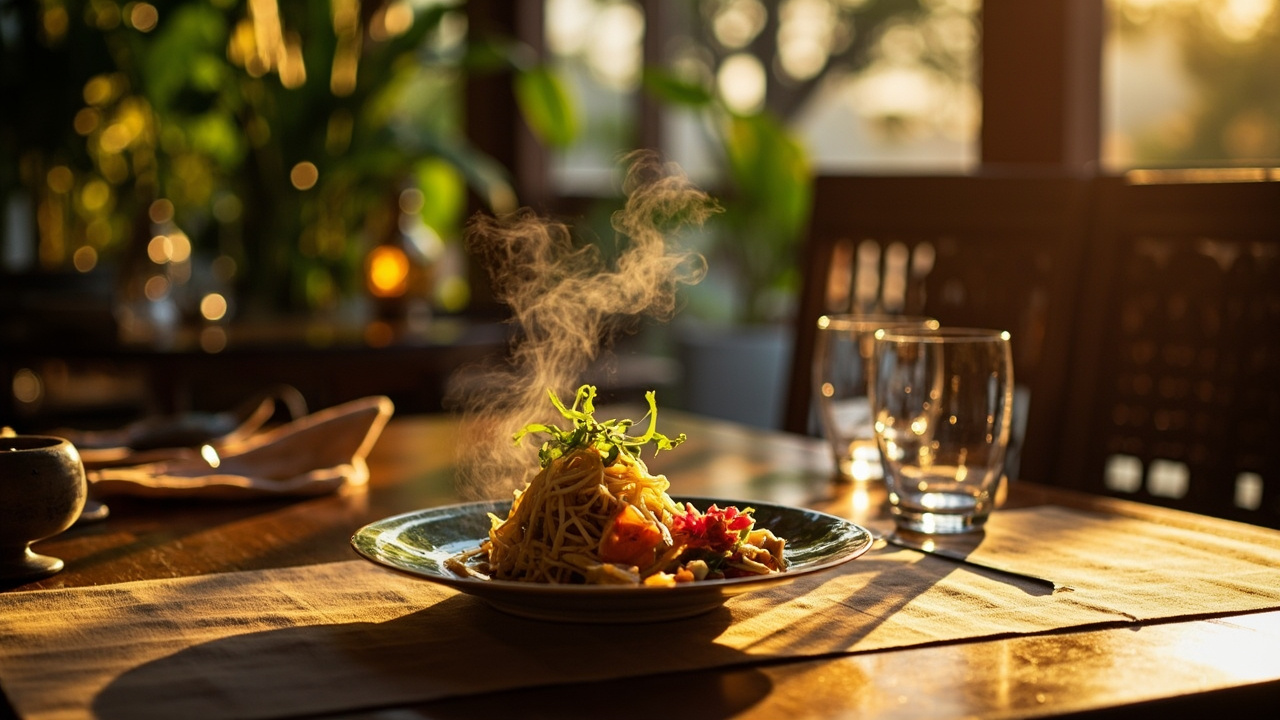
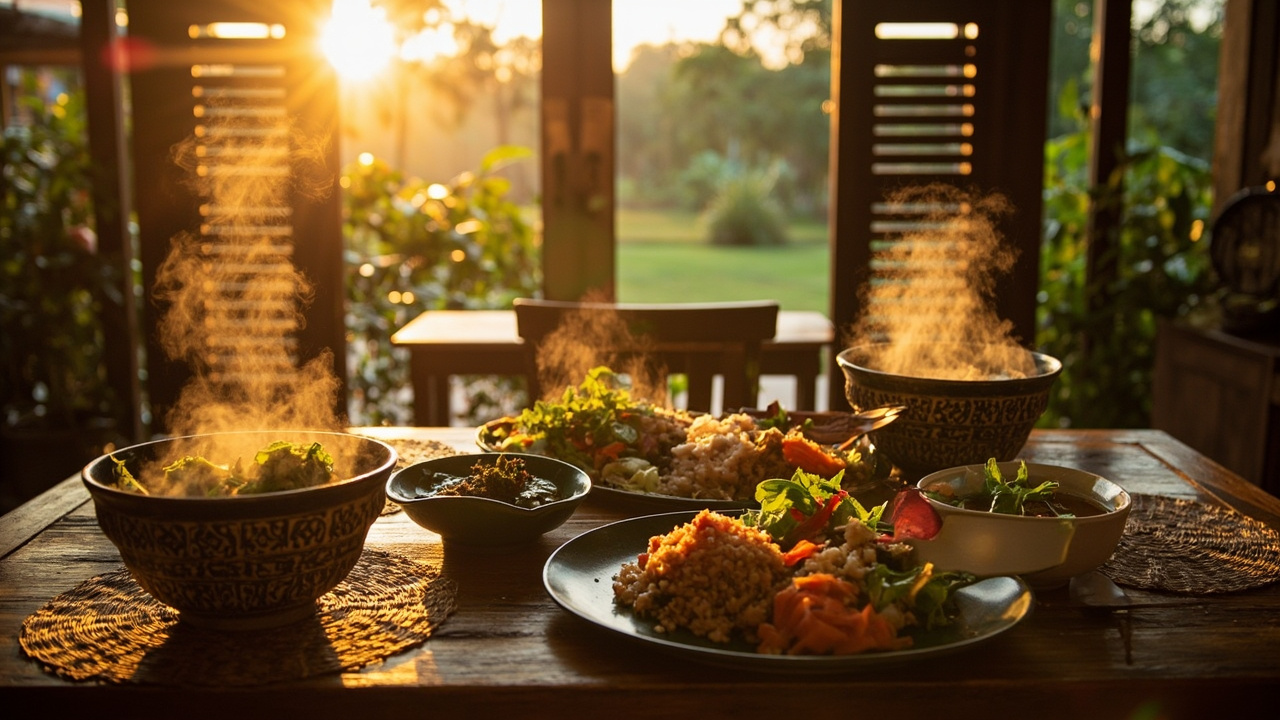
Chiang Mai offers a delightful array of culinary experiences that go beyond traditional cooking classes. You might want to explore a street food tour, where you can sample local delicacies and learn about their origins directly from vendors.
• Another exciting option is to participate in a farm-to-table experience. Here, you can visit local farms, pick your own ingredients, and then create your meal right there. It's a fantastic way to connect with the region's agricultural roots and taste the freshest produce.
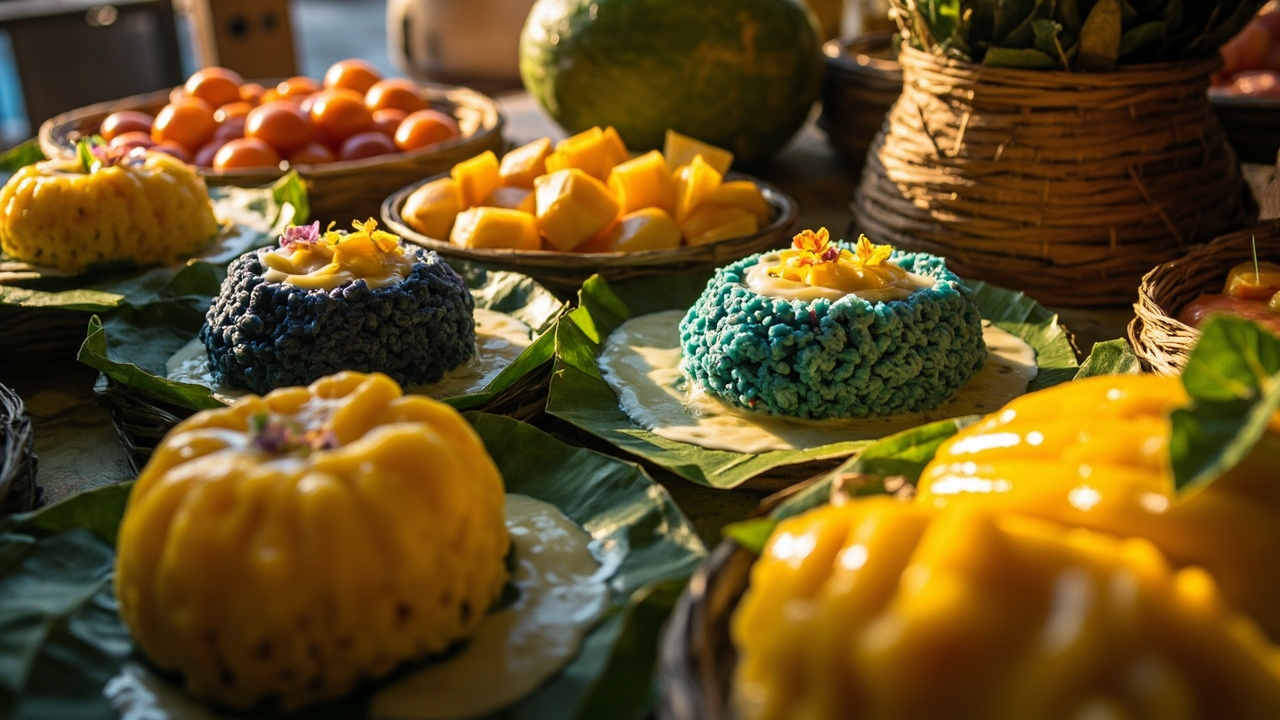
• If you're interested in traditional Thai sweets, consider attending a dessert-making workshop where you can learn to craft unique treats like sticky rice with mango or coconut puddings. These sweet experiences often come with rich stories about the culture behind them.
Practical Chiang Mai planning note: Choose by location, dietary needs, hygiene, atmosphere and the time you plan to visit rather than relying on a single "best" list. Menus, opening days and stall locations change, especially at markets and seasonal venues.
To dine like a local, start by visiting a traditional market, where you can sample a variety of dishes from different vendors. It's a great way to engage with the culture and try authentic flavors.
• Consider ordering a 'set meal' to share, which often includes several dishes like meats, vegetables, and sauces to create a communal dining experience.
• It's common to enjoy your meal with sticky rice, so don't hesitate to ask for it if it's not on the menu. It complements many Northern Thai dishes beautifully.
• Also, embrace the local dining etiquette, like using your hands for certain dishes, as it's a way to connect with the food and the culture.
Practical Chiang Mai planning note: Choose by location, dietary needs, hygiene, atmosphere and the time you plan to visit rather than relying on a single "best" list. Menus, opening days and stall locations change, especially at markets and seasonal venues.
One fantastic way to connect with local communities is by participating in a home-cooked meal experience. Many families open their homes to visitors, allowing you to enjoy authentic dishes while learning about their cooking traditions.
• Another great option is to join a community-based cooking class. These classes often incorporate local ingredients and techniques, giving you hands-on experience while supporting local farmers and artisans.
• Visiting local farms for a farm-to-table experience is also a unique way to engage with the community. You'll get to see where the ingredients come from, and often, you can enjoy meals right on the farm!
Practical Chiang Mai planning note: Choose by location, dietary needs, hygiene, atmosphere and the time you plan to visit rather than relying on a single "best" list. Menus, opening days and stall locations change, especially at markets and seasonal venues.
For special occasions, you can't go wrong with Khao Niew Mamuang, or Mango Sticky Rice. It's visually stunning and delicious, making it a favourite for celebrations.
• Another delightful choice is Bua Loy, which are colourful rice flour balls served in warm coconut milk. This comforting dessert is often enjoyed during festivals and family gatherings.
• If you're looking for something unique, try Khanom Chan. This beautiful layered dessert made from rice flour and pandan will impress your guests with its vibrant colors and subtle flavors.
• For weddings or significant celebrations, consider serving Thong Yip, which are sweet egg yolk-based desserts that symbolize good fortune.
Practical Chiang Mai planning note: Choose by location, dietary needs, hygiene, atmosphere and the time you plan to visit rather than relying on a single "best" list. Menus, opening days and stall locations change, especially at markets and seasonal venues.
Absolutely! When in Chiang Mai, you should definitely try Cha Yen, which is a Thai iced tea that's sweetened and often topped with condensed milk. It's a refreshing way to cool down, especially in the warm weather.
• Another local favourite is Nam Manao, a tangy lime drink that's incredibly refreshing and perfect for hot days. It's usually served with a bit of sugar and sometimes even soda for a fizzy twist.
• For something a bit more unique, look for the local herbal teas made from ingredients like lemongrass and pandan. These drinks not only taste great, but they also offer a taste of local therapeutic traditions.
• And if you enjoy coffee, don't miss out on trying Thai coffee, which is typically brewed strong and sweetened with condensed milk, giving it a rich and creamy flavor.
Practical Chiang Mai planning note: Choose by location, dietary needs, hygiene, atmosphere and the time you plan to visit rather than relying on a single "best" list. Menus, opening days and stall locations change, especially at markets and seasonal venues.
Chiang Mai's seasonal desserts are a delightful way to experience local flavors. One must-try is Khao Niew Mamuang, especially during mango season when the mangoes are at their sweetest. The combination of sticky rice, ripe mango, and rich coconut milk is simply irresistible.
• Another delicious option is Sangkhaya, particularly when it's made with local pumpkins in the fall. This creamy custard brings out the natural sweetness of the pumpkins, making it a comforting treat during cooler months.
Practical Chiang Mai planning note: Choose by location, dietary needs, hygiene, atmosphere and the time you plan to visit rather than relying on a single "best" list. Menus, opening days and stall locations change, especially at markets and seasonal venues.
To truly immerse yourself in a traditional Thai meal, start by sharing dishes with those at your table. It's common in Thailand to order several plates for everyone to enjoy together, so embrace that communal spirit.
• Pairing your meal with the right drinks enhances the experience. A light beer or a sweet iced tea can be a great match for spicy dishes, while a refreshing coconut water is perfect for cooling down your palate.
• When it comes to dining etiquette, don't forget to greet your server with a friendly 'Sawasdee' and be sure to use your right hand for eating, as the left is considered impolite.
• Lastly, if you're feeling adventurous, try a traditional dessert like Mango Sticky Rice at the end of your meal to complete your authentic Thai dining experience.
Practical Chiang Mai planning note: Choose by location, dietary needs, hygiene, atmosphere and the time you plan to visit rather than relying on a single "best" list. Menus, opening days and stall locations change, especially at markets and seasonal venues.
AI can help food bloggers manage their social media interactions by responding to comments and messages promptly, allowing creators to focus on content production.
• They can also assist with research by gathering trending topics in the culinary world, helping bloggers stay relevant and engaging.
• Additionally, AI can analyze audience engagement data to provide insights on what types of recipes or posts resonate most with followers, guiding future content strategy.
Practical Chiang Mai planning note: Choose by location, dietary needs, hygiene, atmosphere and the time you plan to visit rather than relying on a single "best" list. Menus, opening days and stall locations change, especially at markets and seasonal venues.
When in Chiang Mai, you definitely need to try the local drink called 'Cha Yen,' a Thai iced tea that's sweet and creamy - it's a perfect refreshment after some spicy food.
• Another delightful option is 'Larb Moo,' a spicy pork salad that's often enjoyed with a side of fresh herbs and sticky rice. Pairing it with a local beer can enhance your dining experience.
• And don't forget to check out the fresh fruit smoothies available at local markets. They often use tropical fruits that are in season, making every sip a refreshing treat.
Practical Chiang Mai planning note: Choose by location, dietary needs, hygiene, atmosphere and the time you plan to visit rather than relying on a single "best" list. Menus, opening days and stall locations change, especially at markets and seasonal venues.
Absolutely! AI assistants can manage order tracking inquiries, providing real-time updates to customers, which enhances their experience.
• They can also collect feedback after deliveries to identify areas for improvement, helping the service evolve based on customer needs.
• Moreover, AI can assist in managing peak hours by automating customer communication and optimizing delivery routes, improving efficiency.
• This not only leads to happier customers but also more streamlined operations for the delivery service.
Practical Chiang Mai planning note: Choose by location, dietary needs, hygiene, atmosphere and the time you plan to visit rather than relying on a single "best" list. Menus, opening days and stall locations change, especially at markets and seasonal venues.
Absolutely! There are several food tours available that take you through the vibrant streets of Chiang Mai, allowing you to sample local delicacies while learning about their history.
• These tours often include visits to local markets where you can see ingredients being sold fresh and even participate in cooking demonstrations.
• AI assistants can enhance these tours by providing instant information about each dish you encounter, helping you understand what you're tasting in real-time.
Practical Chiang Mai planning note: Choose by location, dietary needs, hygiene, atmosphere and the time you plan to visit rather than relying on a single "best" list. Menus, opening days and stall locations change, especially at markets and seasonal venues.
• Chiang Mai offers a delightful array of traditional desserts that you should not miss.
• One popular choice is 'Sticky Rice with Mango,' which features sweet sticky rice paired with ripe mango and drizzled with coconut milk.
• Another must-try is 'Khanom Jeen Nam Ngiao,' a unique dish made from rice noodles served with a rich, spicy tomato broth and topped with various ingredients.
• Additionally, 'Sangkhaya' is a custard made from coconut milk and eggs, often served in a pumpkin or a bowl.
• Exploring these desserts will give you a sweet taste of local culture.
Practical Chiang Mai planning note: Choose by location, dietary needs, hygiene, atmosphere and the time you plan to visit rather than relying on a single "best" list. Menus, opening days and stall locations change, especially at markets and seasonal venues.
Absolutely! Northern Thai cuisine often features unique ingredients like 'kaffir lime leaves,' which add a distinct flavor to many dishes. You'll also find 'fermented soybean paste' used in various curries, giving them a unique depth.
• Another key ingredient is 'Thai basil,' which adds a fresh, aromatic touch to many meals. It's fascinating how these flavors come together to create the rich tapestry of Northern Thai cuisine.
• Don't forget about 'sticky rice,' which is a staple in the region. It's often served alongside savory dishes and is perfect for soaking up those delicious sauces.
Practical Chiang Mai planning note: Choose by location, dietary needs, hygiene, atmosphere and the time you plan to visit rather than relying on a single "best" list. Menus, opening days and stall locations change, especially at markets and seasonal venues.
• In Chiang Mai, you should try some local beverages that complement the cuisine wonderfully.
• One popular drink is Cha Yen, a Thai iced tea that is sweet and creamy.
• Another favourite is Thai coffee, often served with condensed milk for a rich flavour.
• You can also enjoy fresh fruit juices, especially from local markets, where you can find refreshing options like watermelon and orange juice.
• Don't miss trying herbal drinks like Butterfly Pea tea, known for its vibrant blue colour and health benefits.
Practical Chiang Mai planning note: Choose by location, dietary needs, hygiene, atmosphere and the time you plan to visit rather than relying on a single "best" list. Menus, opening days and stall locations change, especially at markets and seasonal venues.
AI assistants can streamline reservations and inquiries, giving customers quick responses, which is crucial during busy dining hours.
• They can provide translations for menus and specials, making it easier for tourists and locals who speak different languages to enjoy the dining experience.
• Furthermore, these assistants can gather customer feedback in real-time, helping restaurant owners understand preferences and improve their offerings.
Practical Chiang Mai planning note: Choose by location, dietary needs, hygiene, atmosphere and the time you plan to visit rather than relying on a single "best" list. Menus, opening days and stall locations change, especially at markets and seasonal venues.
• Local dishes in Chiang Mai are generally very affordable.
• Street food can range from 30 to 100 Thai Baht per dish.
• Dining in a casual restaurant may cost between 100 to 300 Baht per person.
• More upscale dining experiences can go from 300 Baht and upwards.
• Always check the menu for prices before ordering to avoid surprises.
Practical Chiang Mai planning note: Choose by location, dietary needs, hygiene, atmosphere and the time you plan to visit rather than relying on a single "best" list. Menus, opening days and stall locations change, especially at markets and seasonal venues. Prices and fares change, so request the current amount before committing.
One must-try dessert is Mango Sticky Rice, which combines sweet mango with creamy coconut milk over sticky rice-a true Thai delight.
• You should also look for Khanom Krok, which are small coconut puddings that have a crispy outside and soft, sweet inside.
• Another favourite is Tub Tim Grob, a refreshing dessert made with water chestnuts coated in red dye, served in coconut milk.
Practical Chiang Mai planning note: Choose by location, dietary needs, hygiene, atmosphere and the time you plan to visit rather than relying on a single "best" list. Menus, opening days and stall locations change, especially at markets and seasonal venues.
Sticky Rice with Mango: A sweet and creamy delight.
- Khanom Krok: Coconut pudding served in small cups.
- Foy Thong: Golden threads made from egg yolks.
- Sticky Rice with Coconut Cream: A deliciously rich treat.
- Banana Roti: Crispy pancakes filled with banana and drizzled with condensed milk.
Indulge your sweet tooth!
Practical Chiang Mai planning note: Choose by location, dietary needs, hygiene, atmosphere and the time you plan to visit rather than relying on a single "best" list. Menus, opening days and stall locations change, especially at markets and seasonal venues.
Absolutely! One of the most beloved pairings is Mango Sticky Rice with a cup of Thai iced tea. The creaminess of the coconut milk complements the sweet and fragrant mango perfectly.
• Another great combination is Kanom Krok served with fresh fruit like rambutan or longan. The sweetness of the fruit balances the rich, creamy coconut flavor of the dessert.
• Don't forget about pairing sweet treats with a strong cup of coffee; many local cafes serve a rich Thai coffee that enhances the flavors of desserts like coconut custard.
Practical Chiang Mai planning note: Choose by location, dietary needs, hygiene, atmosphere and the time you plan to visit rather than relying on a single "best" list. Menus, opening days and stall locations change, especially at markets and seasonal venues.
In Chiang Mai, you might come across modern takes on traditional desserts, like mango sticky rice spring rolls. This dish wraps the classic ingredients in a crispy, fried shell for a fun twist.
• Another unique offering is the Thai-style mochi, which combines local ingredients with traditional Japanese mochi. These delightful treats often come in various flavors, showcasing the creativity of local dessert makers.
• Keep an eye out for fusion creations that blend Thai flavors with international dessert styles, as many cafes and dessert shops are experimenting with innovative recipes.
Practical Chiang Mai planning note: Choose by location, dietary needs, hygiene, atmosphere and the time you plan to visit rather than relying on a single "best" list. Menus, opening days and stall locations change, especially at markets and seasonal venues.
Local food vendors often face a barrage of questions from customers about their menus, opening hours, and special offers. AI assistants from Own The Conversation - can help streamline these inquiries, providing quick, accurate responses 24/7.
• By integrating AI, vendors can ensure that potential customers get immediate answers, enhancing the overall dining experience and encouraging more foot traffic to their stalls.
• These AI solutions can also support multiple languages, which is particularly beneficial in a tourist-friendly place like Chiang Mai, making it easier for vendors to communicate with international visitors.
Practical Chiang Mai planning note: Choose by location, dietary needs, hygiene, atmosphere and the time you plan to visit rather than relying on a single "best" list. Menus, opening days and stall locations change, especially at markets and seasonal venues. Confirm that any named venue still operates and check its present opening days, booking method and location directly.
Absolutely! Kids often enjoy Bua Loy, colourful rice balls served in sweet coconut milk. The vibrant colors and fun textures make it a hit.
• Another favourite is Khanom Chan, which is a layered coconut jelly. The layers are not only visually appealing but also fun to eat, making it a perfect treat for children.
Practical Chiang Mai planning note: Choose by location, dietary needs, hygiene, atmosphere and the time you plan to visit rather than relying on a single "best" list. Menus, opening days and stall locations change, especially at markets and seasonal venues.
• Choose busy food stalls and restaurants, as high turnover indicates fresh ingredients.
• Avoid raw or undercooked foods, especially seafood, to reduce health risks.
• Drink bottled water and avoid ice in drinks unless you're sure it's made from purified water.
• Observe local dining customs, such as using utensils properly and not wasting food.
Practical Chiang Mai planning note: Choose by location, dietary needs, hygiene, atmosphere and the time you plan to visit rather than relying on a single "best" list. Menus, opening days and stall locations change, especially at markets and seasonal venues.
On a sweltering day in Chiang Mai, nothing beats the refreshing taste of Khao Niew Mamuang, which features sweet mango over sticky rice drizzled with coconut milk.
• You might also want to try Lod Chong, which are chewy pandan noodles served in chilled coconut milk. It's sweet, refreshing, and perfect for cooling off.
• For something a bit different, look for Kanom Krok, these little coconut puddings are often served warm but can be enjoyed at room temperature as a light treat.
Practical Chiang Mai planning note: Choose by location, dietary needs, hygiene, atmosphere and the time you plan to visit rather than relying on a single "best" list. Menus, opening days and stall locations change, especially at markets and seasonal venues.
One dessert to seek out is 'Khanom Chan', a beautiful layered coconut pudding that's both sweet and slightly chewy.
• Another delight is 'Sangkhaya', a coconut custard that's steamed in small cups, offering a rich flavor that pairs well with sticky rice.
• You might also want to try 'Khanom Tien', a steamed dessert made from rice flour and filled with sweet coconut cream, often enjoyed as a snack.
Practical Chiang Mai planning note: Choose by location, dietary needs, hygiene, atmosphere and the time you plan to visit rather than relying on a single "best" list. Menus, opening days and stall locations change, especially at markets and seasonal venues.
AI assistants can streamline communication by providing instant responses to frequently asked questions about course schedules, fees, and enrollment processes.
• They can also handle inquiries in multiple languages, making it easier for international students to get the information they need without delays.
• Additionally, these assistants can capture prospective student details and follow up with personalized messages, helping schools build relationships with potential enrollees.
• Overall, integrating AI technology can enhance the student experience and improve operational efficiency in culinary education.
Practical Chiang Mai planning note: Choose by location, dietary needs, hygiene, atmosphere and the time you plan to visit rather than relying on a single "best" list. Menus, opening days and stall locations change, especially at markets and seasonal venues.
If you're looking for something off the beaten path, head to the small café called 'Baan Jang Nak'. They serve incredible homemade Thai desserts, often with a creative twist that you won't find elsewhere.
• Another local favourite is 'Sweet Escape', a tiny dessert shop tucked away in the Nimman area. Their signature dish is a coconut custard delight that will leave you craving more!
• Don't forget to check out 'Khao Niew Mamuang Cafe' for some of the best mango sticky rice in town. It's a comfortable spot where you can indulge and enjoy the atmosphere.
Practical Chiang Mai planning note: Choose by location, dietary needs, hygiene, atmosphere and the time you plan to visit rather than relying on a single "best" list. Menus, opening days and stall locations change, especially at markets and seasonal venues.
To enhance your dining experience, consider exploring the local markets. Not only do they offer a wide variety of dishes, but the vibrant atmosphere is an experience in itself.
• Don't hesitate to ask the staff for their recommendations or specials of the day. They often have insider tips on the best dishes to try, which can lead to some delightful surprises.
Practical Chiang Mai planning note: Choose by location, dietary needs, hygiene, atmosphere and the time you plan to visit rather than relying on a single "best" list. Menus, opening days and stall locations change, especially at markets and seasonal venues.
When it comes to Northern Thai desserts, you've got to try 'Sticky Rice with Mango.' It's a delightful combination of sweet mango and creamy coconut sticky rice, perfect for a hot day.
• Another must-have is 'Khanom Jeen Nam Ngiao,' a traditional dessert made with rice noodles and a rich, sweet sauce that will leave you wanting more.
• Don't miss out on 'Khanom Krok,' a coconut pudding that has a crispy exterior and a soft, sweet center. It's a delightful treat that's often enjoyed as a snack or dessert.
Practical Chiang Mai planning note: Choose by location, dietary needs, hygiene, atmosphere and the time you plan to visit rather than relying on a single "best" list. Menus, opening days and stall locations change, especially at markets and seasonal venues.
When enjoying spicy dishes like Pad Thai or Green Curry, a light beer or a sweet cocktail can help balance the heat.
• For aromatic dishes such as Tom Yum Soup, a crisp white wine like Sauvignon Blanc complements the flavors beautifully.
• Don't forget that Thai iced tea is a classic choice, not only for its flavor but also for its refreshing quality after a spicy meal.
Practical Chiang Mai planning note: Choose by location, dietary needs, hygiene, atmosphere and the time you plan to visit rather than relying on a single "best" list. Menus, opening days and stall locations change, especially at markets and seasonal venues.
• Tipping is appreciated but not mandatory in Chiang Mai.
• A small tip of around 10% is common if service is not included in the bill.
• You can leave the change from your bill as a tip for casual dining.
• In higher-end restaurants, a service charge may already be included.
Practical Chiang Mai planning note: Choose by location, dietary needs, hygiene, atmosphere and the time you plan to visit rather than relying on a single "best" list. Menus, opening days and stall locations change, especially at markets and seasonal venues.
Here are some delightful Thai desserts you shouldn't miss in Chiang Mai:
- **Mango Sticky Rice**: Sweet sticky rice paired with ripe mango and coconut milk.
- **Khanom Krok**: Coconut pudding served in little cups, crispy on the outside and soft inside.
- **Coconut Ice Cream**: Creamy, refreshing, and often served in a coconut shell with toppings.
- **Fried Bananas**: Crispy on the outside, sweet and soft inside, a perfect snack!
- **Thai Coconut Custard (Sangkhaya)**: A rich, steamed custard made with coconut milk and pandan.
Practical Chiang Mai planning note: Choose by location, dietary needs, hygiene, atmosphere and the time you plan to visit rather than relying on a single "best" list. Menus, opening days and stall locations change, especially at markets and seasonal venues.
• Chiang Mai offers a delightful array of traditional desserts that are worth trying.
• One popular option is 'Sticky Rice with Mango' (Khao Niao Mamuang), which combines sweet sticky rice with ripe mango and a drizzle of coconut milk.
• Another favourite is 'Khanom Jeen', a sweet rice noodle dish often served with a variety of toppings.
• You might also enjoy 'Khanom Tian', a soft, chewy dessert made from rice flour and filled with sweet mung bean paste.
• For something unique, try 'Sangkhaya', a coconut custard served in a pumpkin.
• These desserts can often be found at local markets and street stalls.
Practical Chiang Mai planning note: Choose by location, dietary needs, hygiene, atmosphere and the time you plan to visit rather than relying on a single "best" list. Menus, opening days and stall locations change, especially at markets and seasonal venues.
AI assistants from Own The Conversation - can streamline customer interactions by providing instant responses to common inquiries, such as menu items, opening hours, and reservation availability. This means that customers get the information they need without having to wait for a staff member.
• Additionally, these AI tools can capture customer inquiries and feedback efficiently, allowing restaurant owners to address concerns or preferences more effectively. This is especially beneficial during busy times when staff may be preoccupied.
• Moreover, AI assistants can support multiple languages, making it easier for international tourists to communicate and enjoy their dining experience without any language barriers.
Practical Chiang Mai planning note: Choose by location, dietary needs, hygiene, atmosphere and the time you plan to visit rather than relying on a single "best" list. Menus, opening days and stall locations change, especially at markets and seasonal venues. Confirm that any named venue still operates and check its present opening days, booking method and location directly.
• Always greet your host or server with a polite 'Sawasdee' and a slight bow.
• It is customary to share dishes, so do not be surprised if food is served family-style.
• Use a fork to push food onto a spoon, as it is considered impolite to bring the fork to your mouth.
• Do not stick your chopsticks upright in rice, as this resembles a funeral rite.
• Tipping is appreciated but not mandatory; rounding up the bill or leaving small change is common.
Practical Chiang Mai planning note: Choose by location, dietary needs, hygiene, atmosphere and the time you plan to visit rather than relying on a single "best" list. Menus, opening days and stall locations change, especially at markets and seasonal venues.
Chiang Mai is a fantastic place to experience a traditional Thai breakfast, with a variety of local dishes to choose from. One popular option is rice porridge, known as 'Jok,' which is often served with various toppings like minced pork or century eggs.
• Another favourite is the Thai omelet, or 'Khai Jiao,' which is fluffy and typically served with rice and a side of chili sauce for an extra kick. You can find these dishes at local markets or small eateries scattered around the city.
• For a more unique experience, try visiting local breakfast stalls in neighborhoods like Nimmanhaemin, where vendors serve freshly made dishes that are perfect for starting your day.
Practical Chiang Mai planning note: Choose by location, dietary needs, hygiene, atmosphere and the time you plan to visit rather than relying on a single "best" list. Menus, opening days and stall locations change, especially at markets and seasonal venues.
• Familiarise yourself with the local dishes; asking for recommendations can enhance your experience.
• Don't be afraid to specify your spice preference; Northern Thai food can be quite spicy.
• Consider trying a variety of dishes to share with your group; this way, you can sample more flavours.
• If you're unsure about a dish, ask the staff for a description or their best-selling items.
• Be prepared to eat with your hands for some dishes, as it's a common practice in local culture.
Practical Chiang Mai planning note: Choose by location, dietary needs, hygiene, atmosphere and the time you plan to visit rather than relying on a single "best" list. Menus, opening days and stall locations change, especially at markets and seasonal venues.
Absolutely! Chiang Mai has several cooking schools that offer hands-on dessert-making classes. One popular option is Baipai Thai Cooking School, where you can learn to make traditional desserts like mango sticky rice and coconut pudding.
• Another great place is the Thai Farm Cooking School, which not only teaches you about making desserts but also about sourcing local ingredients. It's a wonderful way to immerse yourself in the culinary culture of Chiang Mai.
• Classes often include a market visit, giving you a chance to shop for fresh ingredients while learning about the local food scene. Plus, you get to enjoy the treats you make, which is always a sweet bonus!
Practical Chiang Mai planning note: Choose by location, dietary needs, hygiene, atmosphere and the time you plan to visit rather than relying on a single "best" list. Menus, opening days and stall locations change, especially at markets and seasonal venues.
If you're looking to recreate the flavors of Thailand in your own kitchen, there are a few traditional desserts that are both simple and delightful. Mango Sticky Rice is a crowd favourite; just cook sweet sticky rice, pair it with ripe mango, and drizzle coconut milk on top.
• Another easy option is Thai Coconut Pudding, known as Khanom Krok. You can make these little coconut pancakes with rice flour and coconut milk, and they cook beautifully in a special pan or even in a muffin tin.
• For something refreshing, consider making Coconut Ice Cream. It's a hit during warm weather and requires just coconut milk, sugar, and a bit of salt. Simply blend and freeze, and you'll have a delicious treat in no time!
Practical Chiang Mai planning note: Choose by location, dietary needs, hygiene, atmosphere and the time you plan to visit rather than relying on a single "best" list. Menus, opening days and stall locations change, especially at markets and seasonal venues.
• It is customary to greet your host or server with a polite 'Sawasdee' when entering a restaurant.
• Always use your right hand for eating and passing food, as the left hand is considered impolite.
• It is common to share dishes among the table, so do not be surprised if everyone orders several items to share.
• When dining, it is polite to wait for the eldest person at the table to start eating before you begin.
• Tipping is appreciated but not mandatory; rounding up the bill or leaving small change is common.
Practical Chiang Mai planning note: Choose by location, dietary needs, hygiene, atmosphere and the time you plan to visit rather than relying on a single "best" list. Menus, opening days and stall locations change, especially at markets and seasonal venues.
Chiang Mai is filled with unique drinks that reflect the local culture. One standout is 'Cha Yen', a sweet Thai iced tea that's perfect for cooling down after a day of exploring.
• You should also try 'Nam Manao', a refreshing limeade that's often served with a touch of sugar and salt for a refreshing twist. It's a favourite among locals on hot days.
• For something more traditional, check out 'Oliang', a Thai coffee that's brewed with a mix of beans and often served over ice. It has a rich flavor that's quite different from what you might find back home.
Practical Chiang Mai planning note: Choose by location, dietary needs, hygiene, atmosphere and the time you plan to visit rather than relying on a single "best" list. Menus, opening days and stall locations change, especially at markets and seasonal venues.
• It is customary to greet staff with a smile and a polite 'Sawasdee.'
• Sharing dishes is common, so feel free to order a variety to share with your group.
• Use the provided utensils or your right hand for eating; avoid using your left hand.
• Tipping is appreciated but not mandatory; rounding up the bill is a nice gesture.
• Always respect local customs and traditions when dining.
Practical Chiang Mai planning note: Choose by location, dietary needs, hygiene, atmosphere and the time you plan to visit rather than relying on a single "best" list. Menus, opening days and stall locations change, especially at markets and seasonal venues.
To discover hidden gems in Northern Thai cuisine, consider asking your server for their personal favorites or any off-menu specials. Locals often have the best insights!
• Another great strategy is to visit smaller, family-owned eateries rather than larger tourist spots. These places often have authentic dishes that aren't widely advertised.
• You might also want to join a local food tour, where guides can introduce you to unique dishes and the stories behind them, making for a richer experience.
Practical Chiang Mai planning note: Choose by location, dietary needs, hygiene, atmosphere and the time you plan to visit rather than relying on a single "best" list. Menus, opening days and stall locations change, especially at markets and seasonal venues.
Dining etiquette in Chiang Mai is quite relaxed, but here are some tips:
- **Use your right hand**: It's polite to eat with your right hand, especially for street food.
- **Don't rush**: Meals are often leisurely; enjoy the experience!
- **Respect the food**: Don't waste food; it's considered disrespectful.
- **Polite phrases**: Learn a few Thai phrases like 'Aroi' (delicious) to show appreciation.
Practical Chiang Mai planning note: Choose by location, dietary needs, hygiene, atmosphere and the time you plan to visit rather than relying on a single "best" list. Menus, opening days and stall locations change, especially at markets and seasonal venues.
• Navigating food markets in Chiang Mai can be a delightful experience with a few helpful tips.
• Start by exploring early in the day to avoid crowds and get the freshest produce.
• Don't hesitate to sample small bites from different stalls to discover new flavours.
• Be mindful of hygiene; choose stalls that look clean and busy, as they are likely to serve fresher food.
• Lastly, learn a few basic Thai phrases to enhance your interactions with vendors and make your experience even more enjoyable.
Practical Chiang Mai planning note: Choose by location, dietary needs, hygiene, atmosphere and the time you plan to visit rather than relying on a single "best" list. Menus, opening days and stall locations change, especially at markets and seasonal venues.
Chiang Mai is rich in unique local ingredients that inspire its traditional desserts. One standout is Khao Niew Mamuang, or sticky rice with mango, which features sweet, ripe mangoes from the region paired with sticky rice and coconut milk.
• Another delightful option is Sangkhaya, a coconut custard that often uses local pumpkins for an added twist. It's creamy and sweet, making it a beloved treat in many markets.
• Don't miss out on Khanom Chan, a layered coconut jelly that showcases the beautiful colors of natural ingredients like pandan and coconut. This dessert is both a visual and tasty treat, often found at local festivals.
Practical Chiang Mai planning note: Choose by location, dietary needs, hygiene, atmosphere and the time you plan to visit rather than relying on a single "best" list. Menus, opening days and stall locations change, especially at markets and seasonal venues.
• Chiang Mai offers several unique dining experiences that cater to various tastes.
• One popular option is the Khantoke dinner, where you can enjoy a traditional Northern Thai meal served on a low table while watching cultural performances.
• Another interesting experience is dining in a treehouse or a café nestled in nature, providing a serene atmosphere and beautiful views.
• You might also consider participating in a cooking class that includes a meal, allowing you to learn about local ingredients and cooking techniques while enjoying the dishes you prepare.
• These experiences provide a memorable way to enjoy the local cuisine and culture.
Practical Chiang Mai planning note: Choose by location, dietary needs, hygiene, atmosphere and the time you plan to visit rather than relying on a single "best" list. Menus, opening days and stall locations change, especially at markets and seasonal venues.
A great way to ensure you're enjoying local ingredients is to chat with the vendors. Thai people are usually very friendly and happy to share where they source their ingredients.
• Many dessert shops and cafes proudly display signs indicating they use organic or locally-sourced produce. Keep an eye out for those labels.
• You could also join a cooking class focused on Thai desserts; this way, you can learn about the ingredients firsthand and even make some delicious treats yourself!
Practical Chiang Mai planning note: Choose by location, dietary needs, hygiene, atmosphere and the time you plan to visit rather than relying on a single "best" list. Menus, opening days and stall locations change, especially at markets and seasonal venues.
Certainly! One of the best Italian restaurants in Chiang Mai is La Toscana. It's known for its authentic Italian cuisine, delightful ambiance, and friendly service. They offer a wide variety of pasta dishes, wood-fired pizzas, and scrumptious desserts that will make your taste buds dance!
Another great option is Pasta and Love, which focuses on fresh ingredients and homemade pasta. It's a comfortable spot that's perfect for a romantic dinner or a casual meal with friends.
Both places are highly rated and loved by locals and tourists alike! Enjoy your meal!
Practical Chiang Mai planning note: Choose by location, dietary needs, hygiene, atmosphere and the time you plan to visit rather than relying on a single "best" list. Menus, opening days and stall locations change, especially at markets and seasonal venues.
Could you please clarify the context for your question about fish? Are you asking for information about fishing opportunities in Chiang Mai, the types of fish found in local waters, or perhaps seafood dining options? I'll be happy to assist you once I have more details!
Practical Chiang Mai planning note: Choose by location, dietary needs, hygiene, atmosphere and the time you plan to visit rather than relying on a single "best" list. Menus, opening days and stall locations change, especially at markets and seasonal venues.
Doi Inthanon is mainly recognized for its natural beauty and the highest mountain in Thailand, and there are few specific places for fruit carving. However, nearby options exist, particularly in Chiang Mai, which is about 1.5 hours away.
Options for Learning Fruit Carving:
1. Cooking Schools in Chiang Mai:
- Many schools offer fruit carving in their curriculum. Notable schools include:
- Thai Farm Cooking School: Includes fruit decoration techniques as part of its classes.
- Baipai Thai Cooking School: Focuses on Thai cuisine and may include fruit carving workshops.
Websites:
- thaifarmcooking.com
- baipai.com
2. Agricultural and Cultural Workshops:
- Some local workshops may include traditional crafts like fruit carving. Consider asking local hotels for connections to artisans offering classes.
3. Local Festivals or Events:
- There may be demonstrations or workshops for fruit carving during local festivals around Doi Inthanon.
Tips for Finding Workshops:
- Inquire Locally: Ask local artisans or accommodations in Doi Inthanon for information on fruit carving opportunities.
- Plan a Trip to Chiang Mai: For more comprehensive classes, consider a day trip to Chiang Mai.
While Doi Inthanon itself lacks dedicated fruit carving classes, numerous opportunities are available in Chiang Mai for those eager to learn this art form!
Practical Chiang Mai planning note: Choose by location, dietary needs, hygiene, atmosphere and the time you plan to visit rather than relying on a single "best" list. Menus, opening days and stall locations change, especially at markets and seasonal venues. Confirm that any named venue still operates and check its present opening days, booking method and location directly.
While Bo Sang is primarily known for its traditional crafts, particularly hand-painted umbrellas, there are opportunities to learn fruit carving nearby. Here are some options:
1. Cooking Schools in Chiang Mai:
- Several cooking schools near Bo Sang offer classes that include fruit carving. Notable schools include:
- Thai Farm Cooking School: This school provides practical lessons on presentation, including fruit carving techniques.
- Baipai Thai Cooking School: Offers a comprehensive cooking experience with potential workshops on presentation and decoration skills.
2. Local Workshops:
- Occasionally, local artisans or community centers may offer workshops on traditional crafts, including fruit carving. It's advisable to ask around at local markets or cafes for upcoming events.
3. Cultural Centers:
- Some cultural centers in Chiang Mai may host demonstrations or short courses in various traditional arts, including fruit carving.
Tips for Finding Workshops:
- Check Local Listings: Websites and social media pages or local tourism offices might provide information on available workshops.
- Inquire at Your Accommodation: Hotels or guesthouses in Bo Sang or Chiang Mai may have recommendations for local workshops.
- Plan Ahead: If you have specific dates, consider making reservations or signing up in advance to secure a spot in popular classes.
Learning fruit carving can be a unique and enjoyable experience, enhancing your appreciation of Thai food presentation!
Practical Chiang Mai planning note: Choose by location, dietary needs, hygiene, atmosphere and the time you plan to visit rather than relying on a single "best" list. Menus, opening days and stall locations change, especially at markets and seasonal venues.
Yes, San Kamphaeng offers opportunities to learn fruit carving, a key aspect of Thai culinary artistry. While there may not be specialized fruit carving schools in San Kamphaeng, you can find options such as:
1. Cooking Schools: Some local cooking schools might offer classes that include fruit carving. For instance, Baipai Thai Cooking School (located in Chiang Mai) could provide recommendations for nearby options.
2. Local Workshops: Local community centers or cultural events might host workshops on traditional Thai crafts, including fruit carving.
3. Traditional Thai Cooking Classes: Classes focusing on presentation may incorporate fruit carving techniques.
4. Private Lessons: Local artisans may provide private lessons, often arranged through local markets or word of mouth.
Tips for Learning Fruit Carving:
- Contact Ahead: It's advisable to reach out to schools or studios in advance about fruit carving classes.
- Workshops during Festivals: Look for cooking events or festivals that might offer demonstrations or workshops on traditional crafts.
- Materials: Check if classes provide materials or if you need to bring your own tools.
Engaging in fruit carving can be a delightful experience, highlighting the intricacies of Thai cuisine!
Practical Chiang Mai planning note: Choose by location, dietary needs, hygiene, atmosphere and the time you plan to visit rather than relying on a single "best" list. Menus, opening days and stall locations change, especially at markets and seasonal venues.
Yes, you can learn fruit carving in Chiang Mai! There are several options available:
1. Cooking Schools: Institutions like Thai Farm Cooking School and Baipai Thai Cooking School often include fruit carving in their culinary courses.
- Thai Farm Cooking School: Offers comprehensive courses that may cover fruit carving.
- Baipai Thai Cooking School: Primarily focused on cooking, with possible sessions on fruit decoration.
2. Specialized Workshops: Some local artists or cooking schools may offer dedicated workshops for fruit carving. Check local event schedules for details.
3. Community Centers and Cultural Workshops: Occasionally, community centers or tourism offices host fruit carving classes as part of showcasing traditional crafts.
4. Private Lessons: Local artists may offer private lessons focused on fruit carving. Look for recommendations in local notices or travel platforms.
Tips for Learning Fruit Carving:
- Duration: Classes vary from a few hours to full-day workshops.
- Materials: Confirm if materials are provided or if you need to bring your own.
- Ask for Recommendations: Consult locals or hotel staff for reputable instructors.
Learning fruit carving can be a fun and creative addition to your culinary skills!
Practical Chiang Mai planning note: Choose by location, dietary needs, hygiene, atmosphere and the time you plan to visit rather than relying on a single "best" list. Menus, opening days and stall locations change, especially at markets and seasonal venues.