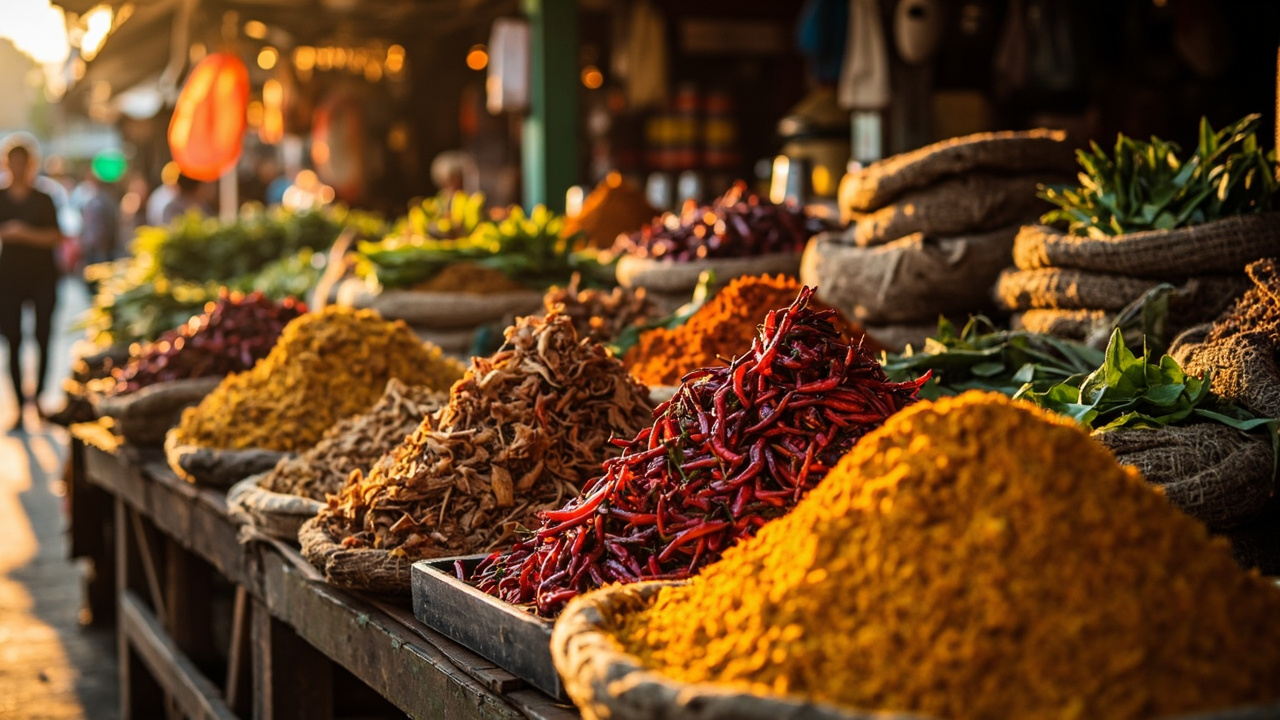
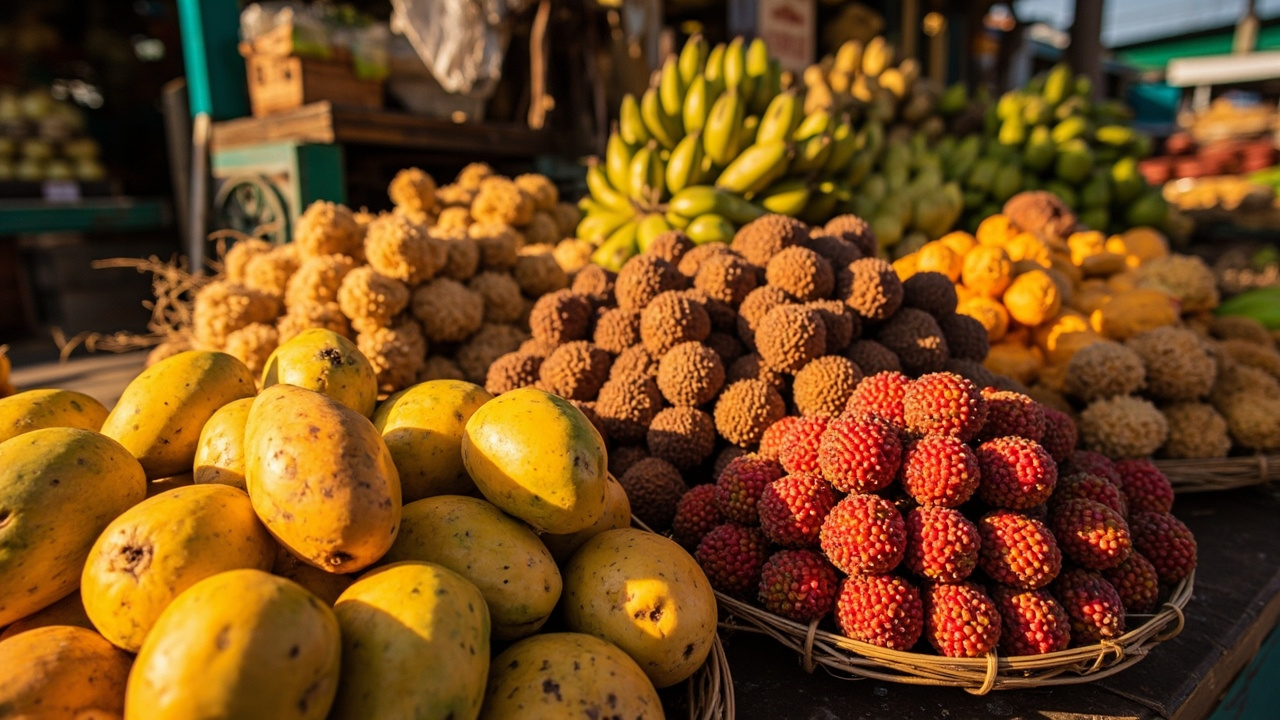
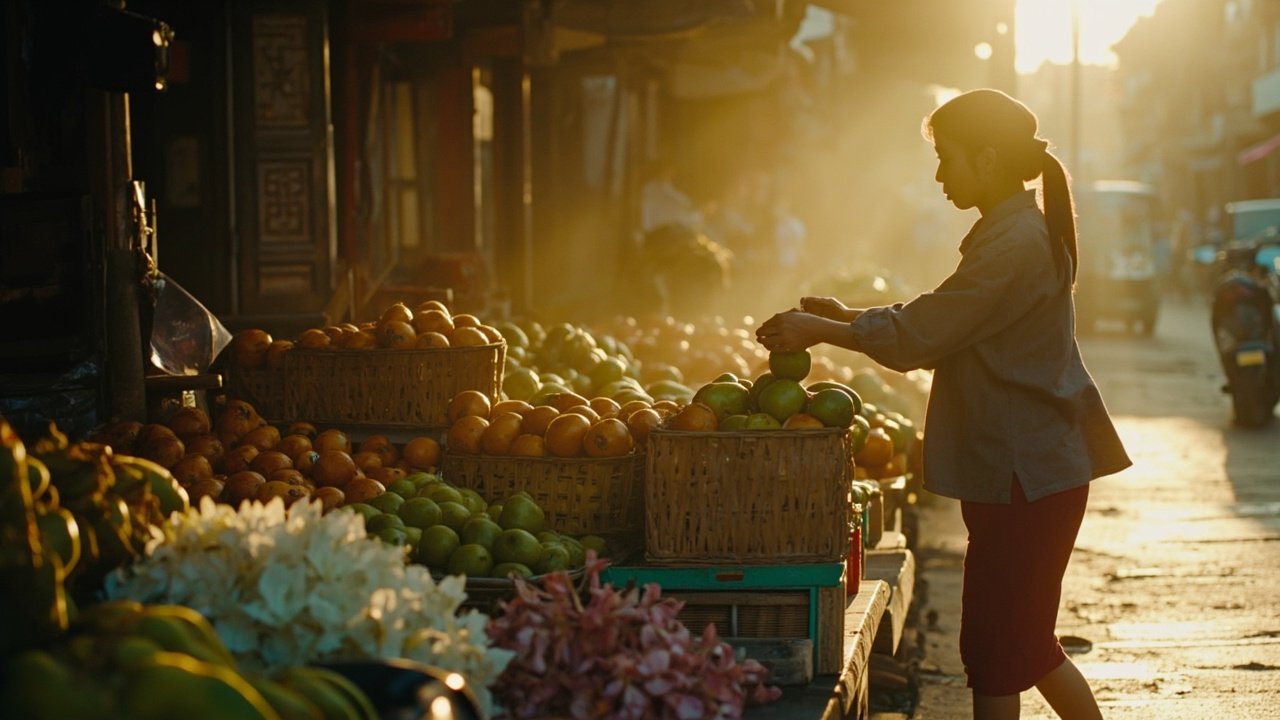
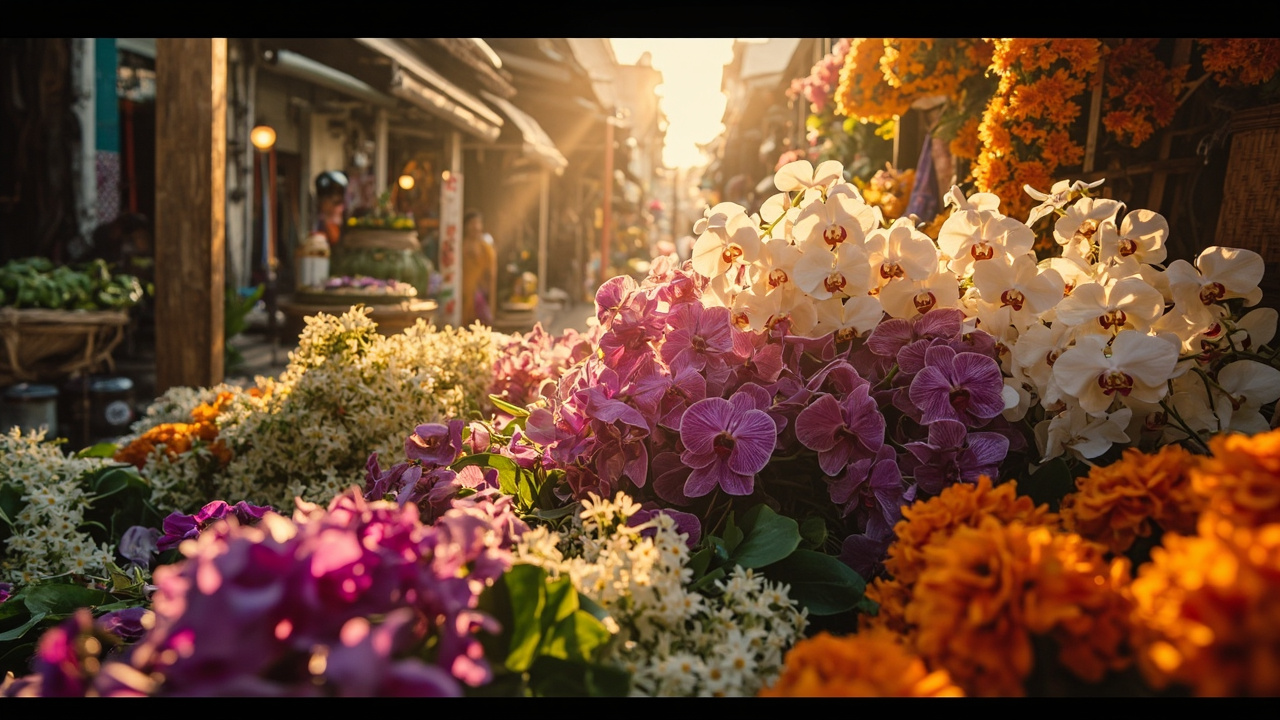
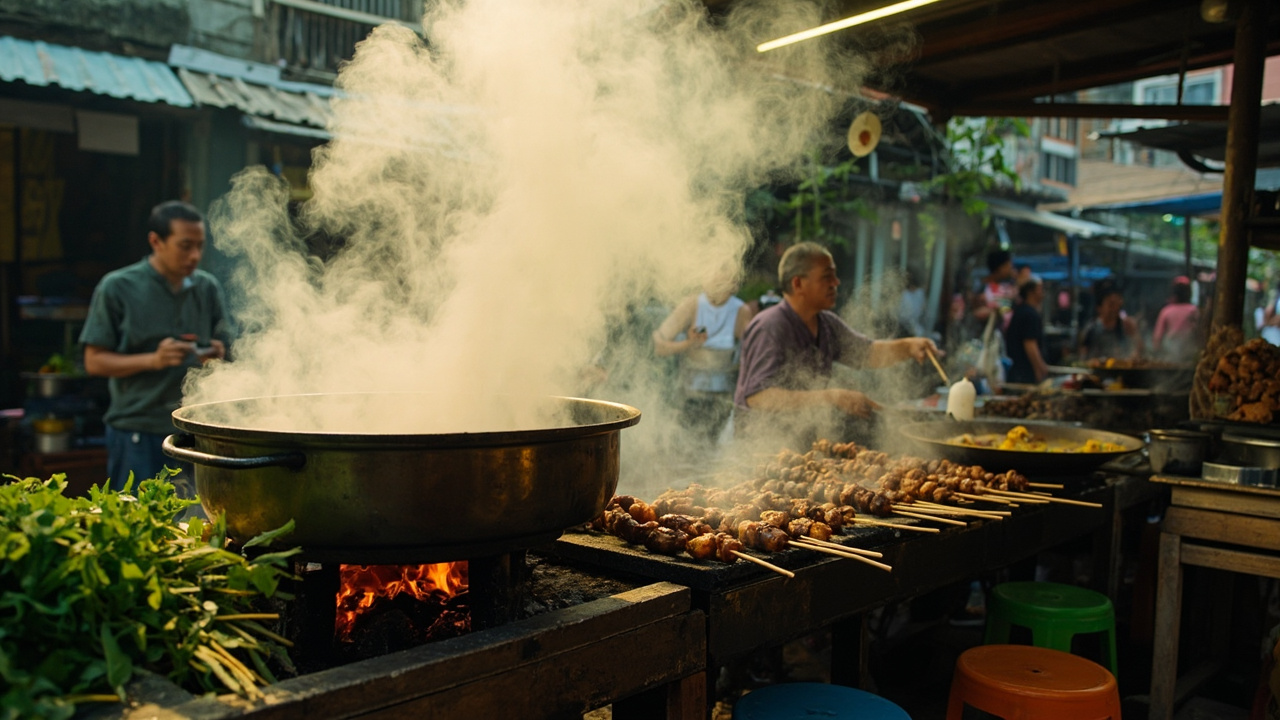
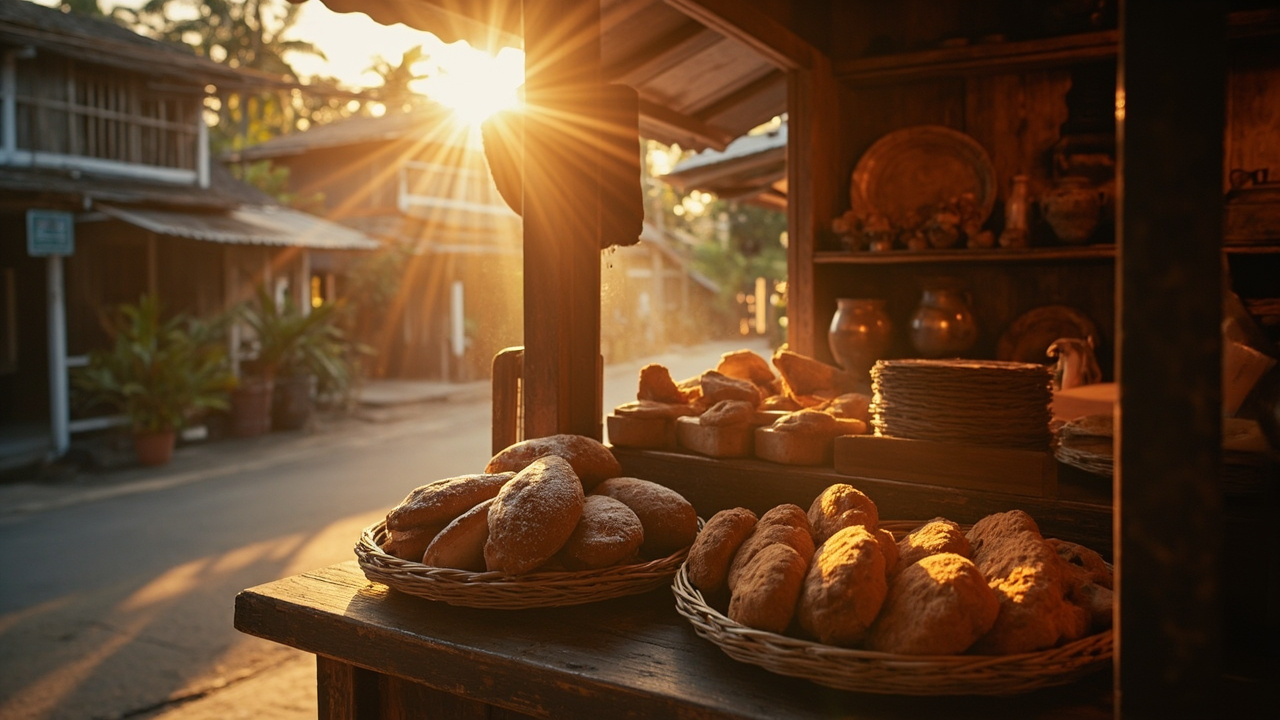
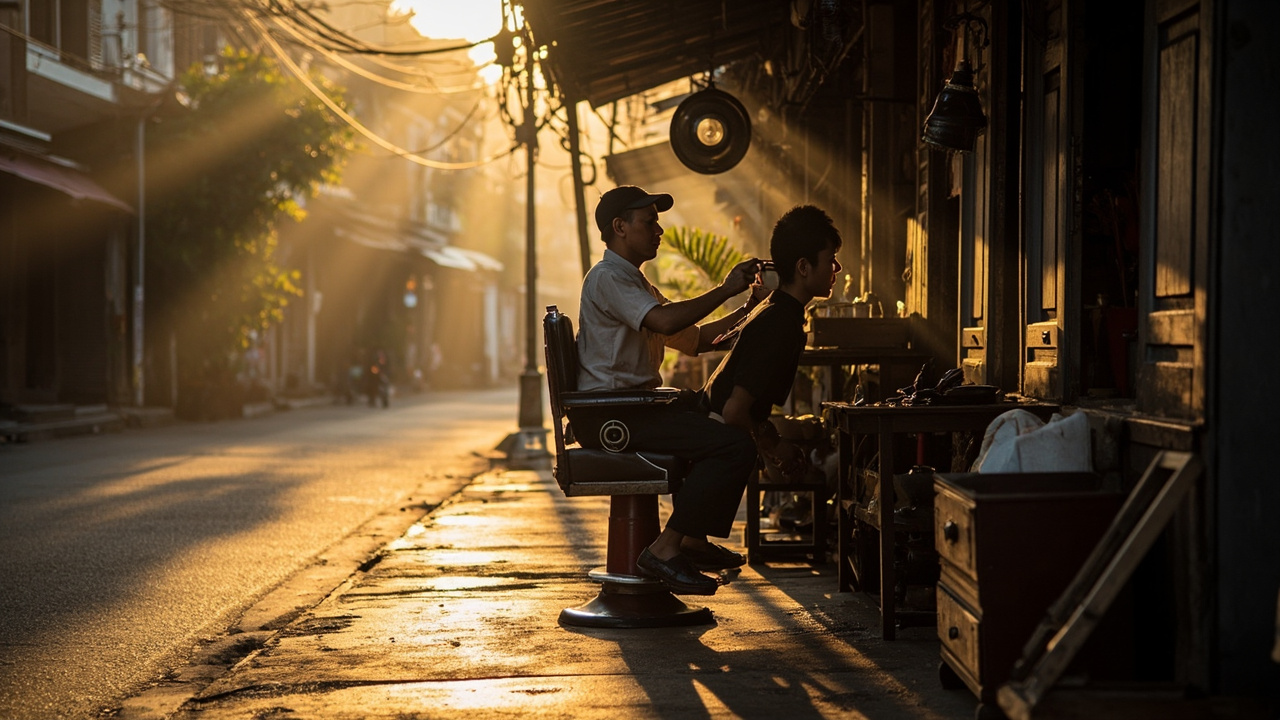
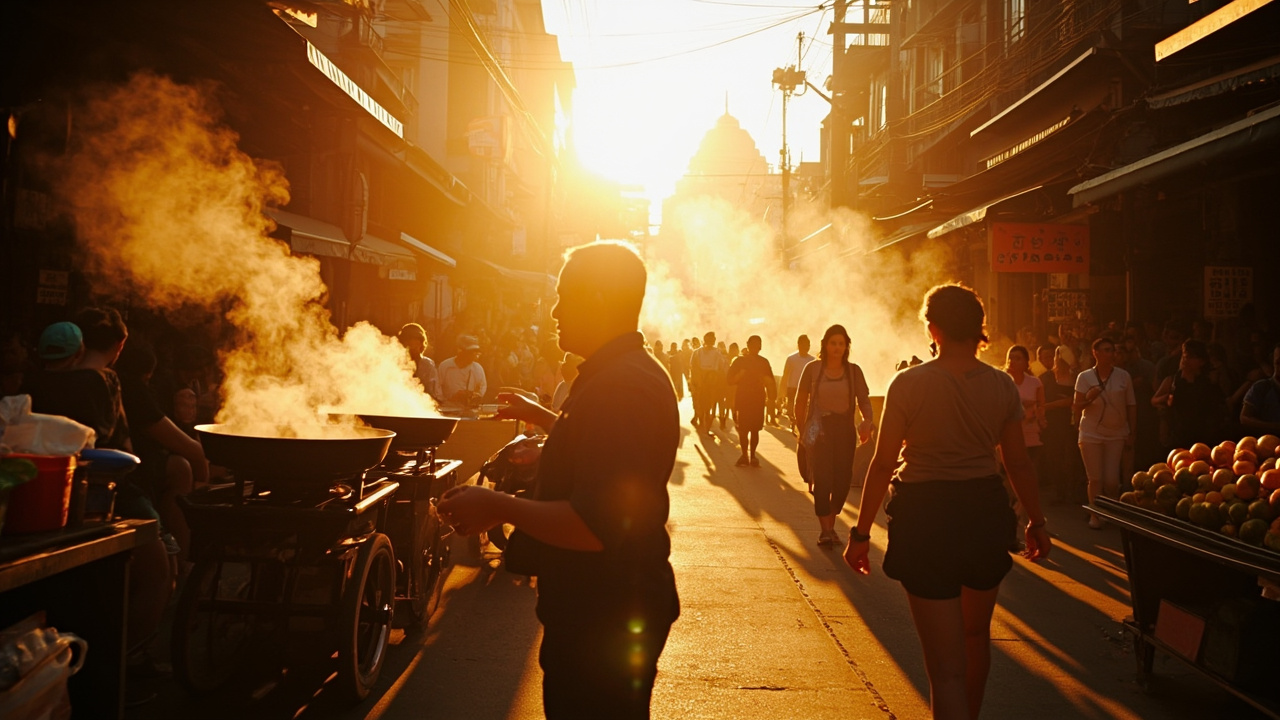
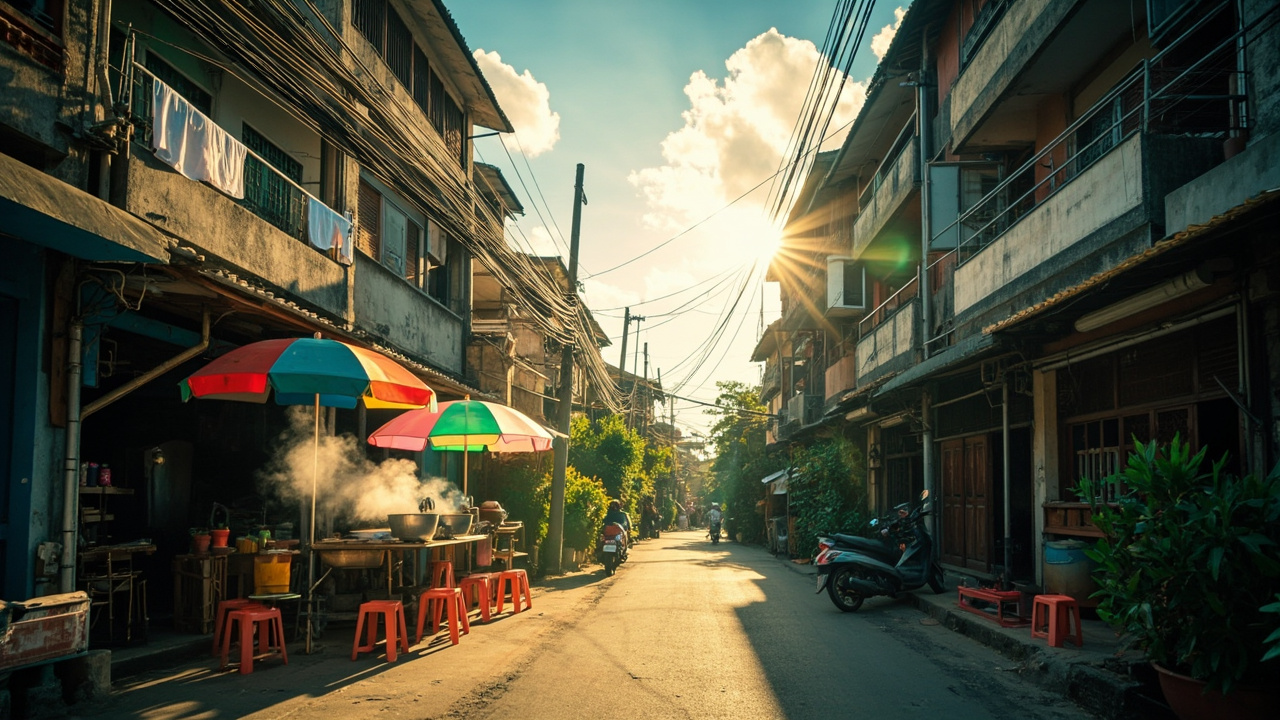
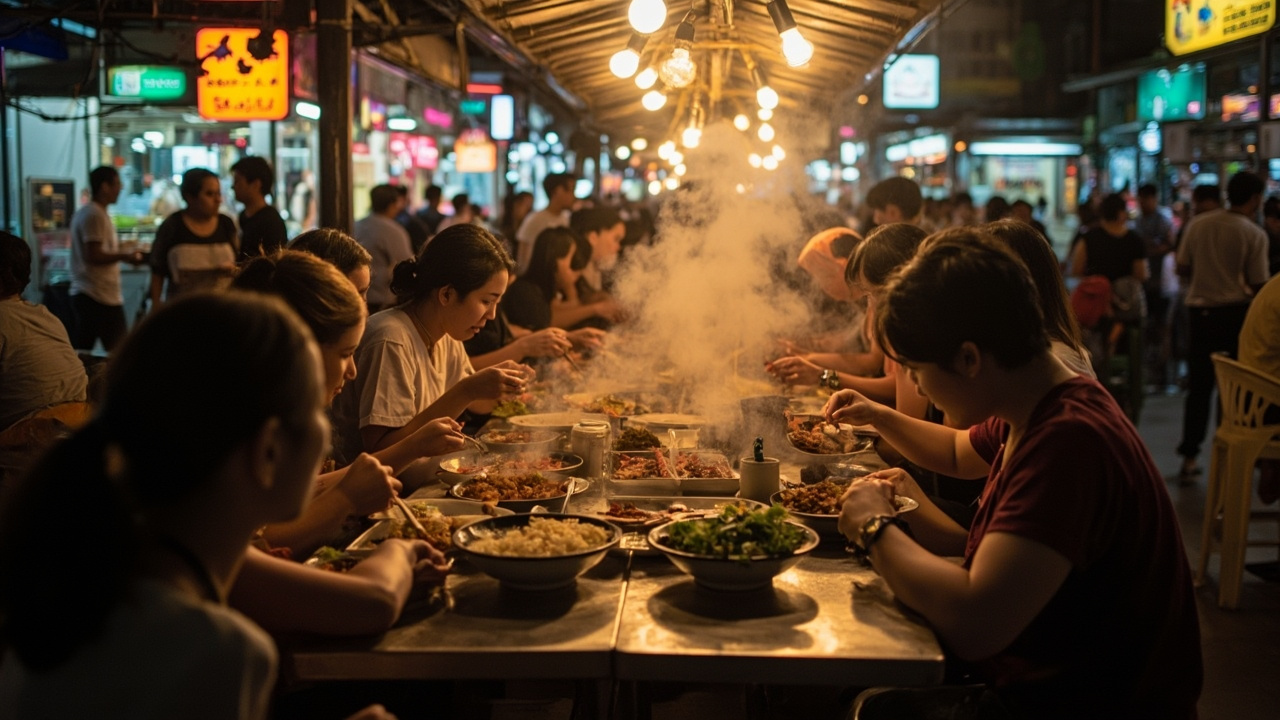
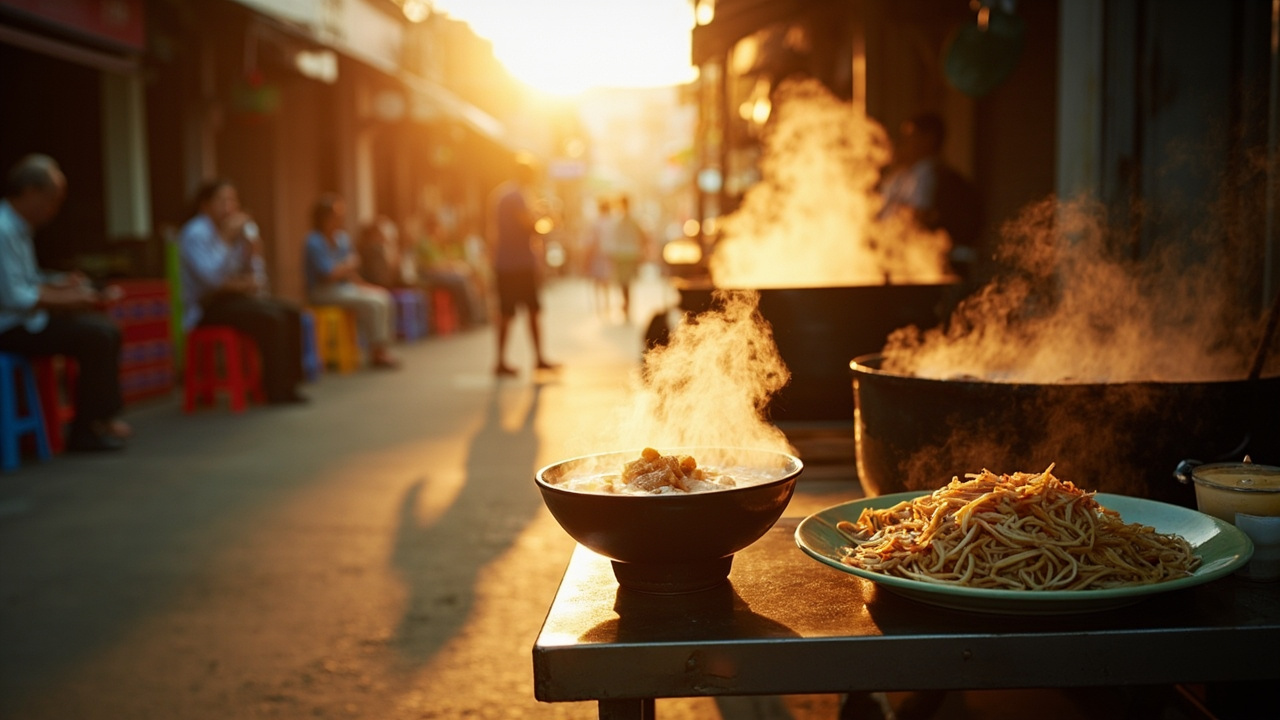
Chiang Mai is renowned for its traditional handicrafts, and you'll find a plethora of unique items in its markets. From intricately designed silver jewelry to beautiful handwoven textiles, each piece tells a story of the local culture and artistry.
• Don't miss out on the stunning wood carvings and pottery that reflect the rich heritage of the region. Many vendors are happy to share the techniques behind their crafts, making your shopping experience even more engaging.
Practical Chiang Mai planning note: Choose by location, dietary needs, hygiene, atmosphere and the time you plan to visit rather than relying on a single "best" list. Menus, opening days and stall locations change, especially at markets and seasonal venues.
Start your adventure early in the morning for the freshest produce and a wider selection of goods. Arriving early means you'll have first dibs on some amazing finds.
• Engage with the vendors! Most are friendly and love to share stories about their products. A simple question about their craft can lead to delightful conversations.
• Don't hesitate to sample a bit of everything! Street food is a must-try, and many vendors offer small bites for free. It's a great way to discover new flavors before committing to a full dish.
• Keep your eyes peeled for seasonal specialties. Certain fruits, vegetables, or snacks may only be available at specific times of the year, adding a unique touch to your market visit.
Practical Chiang Mai planning note: Choose by location, dietary needs, hygiene, atmosphere and the time you plan to visit rather than relying on a single "best" list. Menus, opening days and stall locations change, especially at markets and seasonal venues.
When exploring local markets in Chiang Mai, you must try 'Khanom Krok', a delightful coconut pudding served in small cups. It's crispy on the outside and creamy on the inside, making it a perfect sweet treat while you wander.
• Another gem is 'Sticky Rice with Coconut Cream', a lovely dessert that combines sweet sticky rice with a drizzle of luscious coconut cream. It's often topped with a sprinkle of sesame or mung beans for added flavor.
• Don't miss out on 'Roti', a Thai-style pancake filled with banana and drizzled with condensed milk. It's crispy, sweet, and oh-so-delicious! These desserts give you a taste of local flavors and are perfect for satisfying your sweet tooth.
Practical Chiang Mai planning note: Choose by location, dietary needs, hygiene, atmosphere and the time you plan to visit rather than relying on a single "best" list. Menus, opening days and stall locations change, especially at markets and seasonal venues.
Local markets are bustling and vibrant, but it's wise to go with cash as many vendors may not accept credit cards. ATMs are available nearby.
• Bargaining is common in markets, so don't hesitate to negotiate a fair price, but always do so with a smile to keep the interaction friendly.
• Try local street food, but be mindful of hygiene. Look for stalls with a lot of customers, as it usually indicates fresh and tasty options.
• Be respectful of local customs and personal space, especially in crowded areas. It's a great way to engage with the community and experience everyday life in Chiang Mai.
Practical Chiang Mai planning note: Choose by location, dietary needs, hygiene, atmosphere and the time you plan to visit rather than relying on a single "best" list. Menus, opening days and stall locations change, especially at markets and seasonal venues. Prices and fares change, so request the current amount before committing.
Hang Dong is a charming area just south of Chiang Mai known for its local markets that often feature a mix of fresh produce, handmade crafts, and local delicacies. One popular spot is the Hang Dong Market, where you can browse stalls selling everything from fresh fruits and vegetables to traditional Thai snacks.
• Another highlight is the local artisan shops scattered around the area, showcasing beautiful handmade items, textiles, and pottery that reflect the region's craftsmanship. It's a great place to pick up unique souvenirs while supporting local artisans.
• If you're visiting on a weekend, look out for smaller pop-up markets or food stalls that often appear, especially during local festivals where you can enjoy a lively atmosphere filled with music and cultural performances.
Practical Chiang Mai planning note: Choose by location, dietary needs, hygiene, atmosphere and the time you plan to visit rather than relying on a single "best" list. Menus, opening days and stall locations change, especially at markets and seasonal venues.
Shopping at local markets can be a fun and rewarding experience! First, try to visit early in the morning when the produce is freshest and the selection is at its best.
• Bargaining is common at these markets, so don't hesitate to negotiate prices a bit. It's all part of the experience!
• Be sure to bring cash, as many vendors may not accept credit cards. Also, carry a reusable bag to make it easier to carry your purchases.
• Finally, take your time to explore and chat with the vendors. They can offer insights into the products and might even share recipes or cooking tips with you.
Practical Chiang Mai planning note: Choose by location, dietary needs, hygiene, atmosphere and the time you plan to visit rather than relying on a single "best" list. Menus, opening days and stall locations change, especially at markets and seasonal venues.
Getting to the traditional markets in Chiang Mai is quite convenient using public transport. You can hop on a songthaew, which is a shared taxi that runs on set routes, or use tuk-tuks for a more personalized experience.
• Another excellent option is to take a local bus, which is both economical and offers a glimpse of daily life in the city. Just make sure to check the bus schedules, as they can vary, especially on weekends.
Practical Chiang Mai planning note: Choose by location, dietary needs, hygiene, atmosphere and the time you plan to visit rather than relying on a single "best" list. Menus, opening days and stall locations change, especially at markets and seasonal venues.
Local markets in Chiang Mai are vibrant and full of life, but they can be a bit overwhelming at first. It's best to go in with an open mind and a sense of adventure.
• Try to visit during the day for a more relaxed experience, as evenings can get quite busy. Don't hesitate to sample food from different stalls; many vendors are happy to let you taste before you buy.
• Bargaining is common practice in markets, but remember to keep it friendly. A smile goes a long way, and you can often get a better price if you engage with the seller.
• Keep an eye on your belongings, as crowded spaces can attract pickpockets. It's wise to have a small bag that you can keep securely in front of you.
Practical Chiang Mai planning note: Choose by location, dietary needs, hygiene, atmosphere and the time you plan to visit rather than relying on a single "best" list. Menus, opening days and stall locations change, especially at markets and seasonal venues. Prices and fares change, so request the current amount before committing.
With AI Assistants from Own The Conversation - you can efficiently manage customer inquiries and orders, which is especially useful during busy market hours.
• They can also help you communicate in multiple languages, making it easier to connect with tourists who may not speak Thai.
• This technology can streamline your operations, allowing you to focus more on showcasing your products and engaging with your customers.
Practical Chiang Mai planning note: Choose by location, dietary needs, hygiene, atmosphere and the time you plan to visit rather than relying on a single "best" list. Menus, opening days and stall locations change, especially at markets and seasonal venues. Confirm that any named venue still operates and check its present opening days, booking method and location directly.
If you're using public transport, songthaews are an excellent option to reach Chiang Mai's vibrant local markets. You can easily hop on one from various points in the city.
• Additionally, check the bus schedules from the Arcade Bus Station, as they can take you to some of the more distant markets at a low cost.
• Be sure to confirm the market days, as some are only open on weekends, and plan your visit accordingly.
Practical Chiang Mai planning note: Choose by location, dietary needs, hygiene, atmosphere and the time you plan to visit rather than relying on a single "best" list. Menus, opening days and stall locations change, especially at markets and seasonal venues. Prices and fares change, so request the current amount before committing.
AI Assistants from Own The Conversation - can streamline how you handle customer inquiries by providing instant responses to common questions. This lets you focus on more complex issues while ensuring that your customers get the information they need without delays.
• By integrating an AI Assistant, you can also capture customer inquiries 24/7, which means you'll never miss an opportunity to engage with potential shoppers, even outside of your business hours. This can be especially useful during busy market days.
• Moreover, AI Assistants can support multiple languages, which is great if you have a diverse customer base. This feature can help break down language barriers, making your market more accessible to everyone.
Practical Chiang Mai planning note: Choose by location, dietary needs, hygiene, atmosphere and the time you plan to visit rather than relying on a single "best" list. Menus, opening days and stall locations change, especially at markets and seasonal venues. Confirm that any named venue still operates and check its present opening days, booking method and location directly.
Yes, Chiang Mai has several local markets dedicated to organic and health foods:
- **Pun Pun Organic Farm**: Offers fresh organic produce and health products.
- **Saturday Farmers' Market**: Features local farmers selling organic fruits, vegetables, and homemade goodies.
- **Chiang Mai Organic Market**: A great spot for organic food lovers, with a variety of stalls.
These markets are perfect for health-conscious visitors!
Practical Chiang Mai planning note: Choose by location, dietary needs, hygiene, atmosphere and the time you plan to visit rather than relying on a single "best" list. Menus, opening days and stall locations change, especially at markets and seasonal venues.
In many local markets, handmade jewelry is a big hit, often featuring unique designs that showcase local materials and craftsmanship.
• Textiles, including handwoven fabrics and garments, are also popular, reflecting the rich cultural heritage of the region.
• You'll often find a variety of home decor items, like pottery and wood carvings, which are perfect for adding a touch of local artistry to your home.
Practical Chiang Mai planning note: Choose by location, dietary needs, hygiene, atmosphere and the time you plan to visit rather than relying on a single "best" list. Menus, opening days and stall locations change, especially at markets and seasonal venues.
• When visiting traditional markets in Chiang Mai, it is advisable to bring cash, as many vendors may not accept credit cards.
• Comfortable walking shoes are essential, as you will likely be on your feet for a while.
• A reusable shopping bag can be handy for any purchases you make.
• Additionally, consider bringing a hat or sunscreen if you are visiting during the day, as it can get quite sunny.
• Finally, a camera or smartphone is great for capturing the vibrant atmosphere and unique items you encounter.
Practical Chiang Mai planning note: Choose by location, dietary needs, hygiene, atmosphere and the time you plan to visit rather than relying on a single "best" list. Menus, opening days and stall locations change, especially at markets and seasonal venues.
Start by leveraging social media platforms. Create engaging content that showcases your products and the stories behind them. It's a great way to connect with potential customers.
• Utilize local SEO techniques to ensure your business appears in searches related to markets in your area. This can include optimizing your website with relevant keywords and ensuring your business is listed on Google Maps.
• Consider using AI Assistants from Own The Conversation - to manage online inquiries and support customer interactions. They can provide instant responses to common questions, enhancing customer engagement.
• Finally, collaborate with local influencers who can help spread the word about your market offerings, attracting new customers who may not have discovered you otherwise.
Practical Chiang Mai planning note: Choose by location, dietary needs, hygiene, atmosphere and the time you plan to visit rather than relying on a single "best" list. Menus, opening days and stall locations change, especially at markets and seasonal venues. Confirm that any named venue still operates and check its present opening days, booking method and location directly.
Yes, there are several exciting trends emerging in Chiang Mai's local handicraft scene. For instance, many artisans are increasingly incorporating eco-friendly materials and sustainable practices into their work, reflecting a growing awareness of environmental issues.
• Additionally, there's a noticeable blend of traditional techniques with modern design aesthetics, appealing to both locals and tourists looking for contemporary yet culturally rich items.
• The rise in popularity of personalized and custom-crafted goods is another trend, as shoppers seek unique pieces that reflect their individuality.
Practical Chiang Mai planning note: Choose by location, dietary needs, hygiene, atmosphere and the time you plan to visit rather than relying on a single "best" list. Menus, opening days and stall locations change, especially at markets and seasonal venues.
It's important to go with an open mind and a sense of adventure. Each market has its own vibe and specialties, so explore different ones to find your favorites.
• Try to visit early in the day for the freshest produce and the best selection of goods. Arriving later means some items might be sold out.
• Don't be shy about trying new things! Engage with vendors, ask questions, and sample food to truly immerse yourself in the experience.
• Lastly, keep an eye on your belongings, especially in crowded areas, and enjoy the vibrant atmosphere that these markets offer!
Practical Chiang Mai planning note: Choose by location, dietary needs, hygiene, atmosphere and the time you plan to visit rather than relying on a single "best" list. Menus, opening days and stall locations change, especially at markets and seasonal venues.
Start by visiting competitors' stalls and taking note of their product variety, pricing, and customer interactions. This firsthand experience can provide valuable insights into their strategies.
• Engage with your customers to understand why they choose your competitors. This could reveal gaps in your own offerings or areas where you can differentiate yourself.
• AI Assistants from Own The Conversation - can help track customer sentiments about competitors, giving you a clearer picture of what people value.
• Regularly review online reviews and ratings for your competitors. This will help you identify strengths and weaknesses in their approach, allowing you to adapt your strategy accordingly.
Practical Chiang Mai planning note: Choose by location, dietary needs, hygiene, atmosphere and the time you plan to visit rather than relying on a single "best" list. Menus, opening days and stall locations change, especially at markets and seasonal venues. Confirm that any named venue still operates and check its present opening days, booking method and location directly.
AI assistants from Own The Conversation - can help local businesses manage customer inquiries efficiently, ensuring that potential visitors get quick, accurate information about market hours and offerings.
• With AI support, businesses can provide multilingual assistance, catering to tourists and locals alike, which is particularly valuable in diverse areas like Mae Kampong where visitors might come from various backgrounds.
Practical Chiang Mai planning note: Choose by location, dietary needs, hygiene, atmosphere and the time you plan to visit rather than relying on a single "best" list. Menus, opening days and stall locations change, especially at markets and seasonal venues. Confirm that any named venue still operates and check its present opening days, booking method and location directly.
• Choose stalls that are busy, as high turnover often indicates fresher food.
• Look for vendors who prepare food in front of you; this ensures cleanliness and freshness.
• Avoid raw or undercooked foods unless you are confident in the vendor's hygiene practices.
• Drink bottled water instead of tap water to avoid any stomach issues.
• If you're unsure about a dish, ask the vendor about its ingredients and preparation methods.
Practical Chiang Mai planning note: Choose by location, dietary needs, hygiene, atmosphere and the time you plan to visit rather than relying on a single "best" list. Menus, opening days and stall locations change, especially at markets and seasonal venues.
AI assistants can help vendors by providing instant responses to common customer inquiries, such as product details or pricing, which enhances the shopping experience.
• With multi-language support, these assistants can communicate with a more diverse customer base, ensuring that everyone feels welcome and understood.
• Additionally, AI can help vendors track customer preferences and inquiries, allowing them to tailor their offerings and improve service over time.
Practical Chiang Mai planning note: Choose by location, dietary needs, hygiene, atmosphere and the time you plan to visit rather than relying on a single "best" list. Menus, opening days and stall locations change, especially at markets and seasonal venues.
Chiang Mai's local markets are a treasure trove of unique snacks that you won't want to miss. For instance, try 'Khanom Jeen Nam Ngiao', a delicious noodle dish served with a rich tomato and pork broth, topped with fresh herbs and crispy shallots.
• Another must-try is 'Som Tam' or spicy green papaya salad, which you can find at many stalls. It's refreshing and adds a nice zing to your snack options.
• If you have a sweet tooth, look for 'Khanom Krok', a coconut pudding that's crispy on the outside and creamy on the inside. It's a delightful treat to enjoy while you explore.
Practical Chiang Mai planning note: Choose by location, dietary needs, hygiene, atmosphere and the time you plan to visit rather than relying on a single "best" list. Menus, opening days and stall locations change, especially at markets and seasonal venues.
Customer feedback is a goldmine for understanding what your audience truly wants. Start by collecting opinions through surveys or casual conversations at your market stall.
• Once you have this feedback, analyze common themes and suggestions. It can guide you in adjusting your product offerings, pricing, or even the way you display your goods.
• Consider using AI Assistants from Own The Conversation - to streamline the feedback process. They can help capture inquiries and respond to common questions in real-time, making it easier for you to gather insights.
• Finally, don't forget to communicate any changes you make based on feedback. This shows customers that you value their input, which can foster loyalty and encourage them to return.
Practical Chiang Mai planning note: Choose by location, dietary needs, hygiene, atmosphere and the time you plan to visit rather than relying on a single "best" list. Menus, opening days and stall locations change, especially at markets and seasonal venues. Confirm that any named venue still operates and check its present opening days, booking method and location directly.
Chiang Mai's markets are a vibrant mix of handmade crafts, local produce, and traditional Thai food items. You can find everything from beautiful textiles to intricate wood carvings.
• Additionally, many vendors offer unique souvenirs like silver jewelry and traditional Lanna crafts that reflect the local culture.
Practical Chiang Mai planning note: Choose by location, dietary needs, hygiene, atmosphere and the time you plan to visit rather than relying on a single "best" list. Menus, opening days and stall locations change, especially at markets and seasonal venues.
Bargaining is part of the shopping culture in Chiang Mai, especially in markets. It's important to approach it with a friendly attitude. Start by greeting the vendor and showing genuine interest in their products.
• A good tip is to have a rough idea of the item's value before you begin. This way, you can negotiate confidently. Generally, you might aim to start your offer about 30% lower than the asking price to leave room for negotiation.
• Be respectful and understand that some vendors may have fixed prices, especially at set markets. If you sense that the vendor isn't comfortable with haggling, it's best to accept their price and move on.
• Lastly, always keep the conversation light and friendly. A smile can go a long way, and many vendors appreciate a bit of banter during the bargaining process.
Practical Chiang Mai planning note: Choose by location, dietary needs, hygiene, atmosphere and the time you plan to visit rather than relying on a single "best" list. Menus, opening days and stall locations change, especially at markets and seasonal venues. Prices and fares change, so request the current amount before committing.
• Always greet vendors politely and show appreciation for their products.
• Bargaining is common, but do it respectfully and with a smile.
• Avoid touching items unless you intend to buy them, as this can be seen as disrespectful.
• Keep the market clean by disposing of any rubbish in designated bins.
• Be mindful of personal space and try to navigate through crowds calmly.
Practical Chiang Mai planning note: Choose by location, dietary needs, hygiene, atmosphere and the time you plan to visit rather than relying on a single "best" list. Menus, opening days and stall locations change, especially at markets and seasonal venues.
Start with a friendly conversation; many vendors appreciate a personal touch before discussing prices.
• It's common to negotiate, but always do it respectfully and with a smile to maintain a good rapport.
• Offer a price that feels fair to you while being mindful of the vendor's perspective; they often have some flexibility.
Practical Chiang Mai planning note: Choose by location, dietary needs, hygiene, atmosphere and the time you plan to visit rather than relying on a single "best" list. Menus, opening days and stall locations change, especially at markets and seasonal venues. Prices and fares change, so request the current amount before committing.
• Dress comfortably and casually, suitable for walking around and exploring.
• Consider wearing lightweight, breathable fabrics due to the warm climate.
• If visiting religious sites nearby, ensure your attire is respectful, covering shoulders and knees.
• Wear comfortable shoes, as you may be standing or walking for extended periods.
• Bring a hat or sunglasses for sun protection, especially during daytime visits.
Practical Chiang Mai planning note: Choose by location, dietary needs, hygiene, atmosphere and the time you plan to visit rather than relying on a single "best" list. Menus, opening days and stall locations change, especially at markets and seasonal venues.
Visiting local markets during peak tourist seasons can be both exciting and overwhelming. To make the most of your experience, try to arrive early in the morning when the stalls are just opening and the crowds are smaller.
• Also, consider going on weekdays if possible. Weekends tend to be busier with both locals and tourists, so a weekday visit can allow for a more relaxed atmosphere to explore.
• Don't forget to bring cash! Many local vendors prefer cash transactions, and it can speed up your purchases, especially during busy times.
Practical Chiang Mai planning note: Choose by location, dietary needs, hygiene, atmosphere and the time you plan to visit rather than relying on a single "best" list. Menus, opening days and stall locations change, especially at markets and seasonal venues.
San Kamphaeng is famous for its silk products and handmade crafts, so be sure to check out the local textiles and artisanal goods.
• You might also find beautiful ceramics and traditional Northern Thai foods that are unique to this area, making it a great opportunity to take home some authentic souvenirs or gifts.
Practical Chiang Mai planning note: Choose by location, dietary needs, hygiene, atmosphere and the time you plan to visit rather than relying on a single "best" list. Menus, opening days and stall locations change, especially at markets and seasonal venues.
• Bargaining is common in local markets, so don't hesitate to negotiate the price.
• Start by offering around 50-70% of the initial asking price and work your way up.
• Be polite and maintain a friendly attitude while bargaining; a smile goes a long way.
• If the seller seems unwilling to negotiate, respect their price and move on.
• Remember that prices are often higher for tourists, so do some research on typical costs.
Practical Chiang Mai planning note: Choose by location, dietary needs, hygiene, atmosphere and the time you plan to visit rather than relying on a single "best" list. Menus, opening days and stall locations change, especially at markets and seasonal venues. Prices and fares change, so request the current amount before committing.
• Always greet the vendor with a smile and a polite 'Sawasdee' (hello) to show respect.
• Bargaining is common, but do so politely and with a friendly attitude.
• It's customary to pay attention to the items and ask questions about their craftsmanship, as this shows appreciation.
• Avoid touching items unless you intend to buy them, as this can be seen as disrespectful.
• If you are taking photographs, ask for permission first, especially in more rural areas.
Practical Chiang Mai planning note: Choose by location, dietary needs, hygiene, atmosphere and the time you plan to visit rather than relying on a single "best" list. Menus, opening days and stall locations change, especially at markets and seasonal venues.
When exploring local markets, take your time to stroll through the stalls and immerse yourself in the vibrant atmosphere. Don't hesitate to ask vendors about their products, as they often enjoy sharing their stories.
• If you're worried about language barriers, AI Assistants from Own The Conversation - can facilitate multilingual communication, making it easier to understand and engage with vendors.
Practical Chiang Mai planning note: Choose by location, dietary needs, hygiene, atmosphere and the time you plan to visit rather than relying on a single "best" list. Menus, opening days and stall locations change, especially at markets and seasonal venues. Confirm that any named venue still operates and check its present opening days, booking method and location directly.
Baan Tawai Village is known for its stunning wooden crafts, including intricate carvings, furniture, and home decor items.
• You'll also find beautifully crafted textiles and unique handmade jewelry from local artisans.
• Since it's a bit outside the city center, taking a short trip there not only yields great finds but also showcases the craftsmanship of the region.
• Many shops are open for customization, so if you see something you like, you might be able to request a personalized piece!
Practical Chiang Mai planning note: Choose by location, dietary needs, hygiene, atmosphere and the time you plan to visit rather than relying on a single "best" list. Menus, opening days and stall locations change, especially at markets and seasonal venues.
• Start with a friendly greeting to establish rapport with the vendor.
• Begin by offering a price lower than what you're willing to pay, allowing room for negotiation.
• Be polite and respectful throughout the process; it's part of the local culture.
• If the vendor counters with a price, consider it carefully before making your decision.
• If you feel uncomfortable, it's perfectly acceptable to walk away; often, vendors will call you back with a better offer.
Practical Chiang Mai planning note: Choose by location, dietary needs, hygiene, atmosphere and the time you plan to visit rather than relying on a single "best" list. Menus, opening days and stall locations change, especially at markets and seasonal venues. Prices and fares change, so request the current amount before committing.
• When visiting local markets in Chiang Mai, it's advisable to bring cash, as many vendors may not accept credit cards.
• Small denominations are particularly useful for purchasing snacks and small items.
• Additionally, consider bringing a reusable shopping bag to carry your purchases and a water bottle to stay hydrated while you explore.
• Wearing comfortable shoes is also recommended, as you may spend a lot of time walking around the market.
Practical Chiang Mai planning note: Choose by location, dietary needs, hygiene, atmosphere and the time you plan to visit rather than relying on a single "best" list. Menus, opening days and stall locations change, especially at markets and seasonal venues.
Chatbots can answer frequently asked questions 24/7, allowing businesses to engage potential customers even outside of market hours.
• They can capture customer inquiries and feedback, providing valuable insights that help improve products and services.
• For businesses with limited staff, chatbots reduce the workload by handling routine queries, freeing up time for artisans to focus on creating unique handmade goods.
Practical Chiang Mai planning note: Choose by location, dietary needs, hygiene, atmosphere and the time you plan to visit rather than relying on a single "best" list. Menus, opening days and stall locations change, especially at markets and seasonal venues.
• When shopping at local markets in Chiang Mai, it's helpful to arrive early in the day for the freshest produce and to avoid the crowds.
• Bring cash, as many vendors may not accept credit cards.
• Don't hesitate to haggle a little on prices, as bargaining is common practice.
• Be sure to sample the food before purchasing, as many stalls offer tastings.
• Finally, take your time to explore different stalls to find unique items and local delicacies that may not be available elsewhere.
Practical Chiang Mai planning note: Choose by location, dietary needs, hygiene, atmosphere and the time you plan to visit rather than relying on a single "best" list. Menus, opening days and stall locations change, especially at markets and seasonal venues.
The best times to visit traditional markets in Chiang Mai are:
- **Early Morning:** Fresh produce and local delicacies are abundant.
- **Late Afternoon to Evening:** Markets come alive with food stalls and vibrant atmosphere.
- **Weekends:** Many markets have special events and more vendors.
- **Festivals:** Experience unique offerings during local festivals!
Practical Chiang Mai planning note: Choose by location, dietary needs, hygiene, atmosphere and the time you plan to visit rather than relying on a single "best" list. Menus, opening days and stall locations change, especially at markets and seasonal venues.
To avoid crowds at local markets in Chiang Mai, consider the following tips:
- **Visit during weekdays**: Markets are typically less busy on weekdays compared to weekends.
- **Go early**: Arriving right when the market opens can help you beat the rush.
- **Check for off-peak seasons**: Visiting during the rainy season (May to October) may result in fewer tourists.
Enjoy a more relaxed shopping experience!
Practical Chiang Mai planning note: Choose by location, dietary needs, hygiene, atmosphere and the time you plan to visit rather than relying on a single "best" list. Menus, opening days and stall locations change, especially at markets and seasonal venues.
In San Kamphaeng, the San Kamphaeng Saturday Market is a top choice for handmade goods, held every Saturday evening. Highlights include:
- Handmade Crafts: Stalls featuring textiles, traditional Thai crafts, pottery, and wooden products.
- Local Food: A variety of local foods and snacks are available to enjoy while shopping.
- Cultural Experience: A vibrant atmosphere with local culture, music, and community gatherings.
Other places to explore include:
1. Baan Tawai Village: Known for handicrafts and artisan shops, specializing in woodwork and textiles.
2. San Kamphaeng Hot Springs: Vendors often sell local crafts near the hot springs.
3. Local Craft Shops: Individual shops throughout San Kamphaeng where artisans sell their creations.
Tips for Visiting:
- Go Early: To avoid crowds and enjoy exploring.
- Bargaining: It's common to negotiate prices at local markets.
- Enjoy the Atmosphere: Take your time to experience the local culture and food.
San Kamphaeng offers a delightful shopping experience for handmade goods and local culture!
Practical Chiang Mai planning note: Choose by location, dietary needs, hygiene, atmosphere and the time you plan to visit rather than relying on a single "best" list. Menus, opening days and stall locations change, especially at markets and seasonal venues. Confirm that any named venue still operates and check its present opening days, booking method and location directly.
Getting to Mae Sa to explore local markets is relatively straightforward with several transportation options:
1. By Car: Self-drive or rent a car for a convenient, scenic 30-minute drive (about 20 kilometers) from Chiang Mai.
2. By Taxi or Ride-Hailing Service: Hire a taxi for direct transport or use ride-hailing apps like Grab for door-to-door service.
3. By Songthaew (Red Truck): Opt for a budget-friendly shared red truck, confirming that the route goes to Mae Sa.
4. Organized Tours: Consider local tour operators who offer planned trips that may include market visits, elephant attractions, and scenic points.
Exploring Local Markets in Mae Sa
Once in Mae Sa, you can enjoy several local markets showcasing fresh produce, handmade crafts, and traditional snacks. Notable experiences include the Mae Sa Market, local craft shops specializing in artisan goods, and food stalls offering delicious local dishes.
Tips for Your Visit
- Timing: Arrive earlier in the day as local markets may close in the late afternoon.
- Cash: Bring cash since many vendors might not accept credit cards.
In summary, travel from Chiang Mai to Mae Sa via car, taxi, songthaew, or organized tours, and delve into local markets to experience authentic Thai culture.
Practical Chiang Mai planning note: Choose by location, dietary needs, hygiene, atmosphere and the time you plan to visit rather than relying on a single "best" list. Menus, opening days and stall locations change, especially at markets and seasonal venues.
Yes, Bo Sang is an excellent destination for experiencing local markets, particularly renowned for its traditional crafts and handicrafts. While it lacks large markets found in bigger towns, the village offers a unique cultural atmosphere with opportunities to explore local products and artisan creations.
Highlights of Local Markets in Bo Sang:
1. Bo Sang Umbrella Market:
- Famous for handmade umbrellas and fans, visitors can witness artisans creating these items and browse market stalls for authentic souvenirs.
2. Local Craft Workshops:
- Some workshops offer hands-on experiences, allowing participants to create their own crafts, such as painting umbrellas.
3. Local Markets:
- Smaller markets and food stalls provide fresh produce, snacks, and local delicacies, offering insights into daily village life.
4. Visit during Festivals:
- Attending the annual Umbrella Festival in January enhances the experience with additional crafts, food stalls, and cultural performances.
5. Cultural Engagement:
- Engaging with local artisans allows for learning about their crafts and the traditions behind their work.
In conclusion, Bo Sang is a vibrant spot to enjoy local markets and appreciate regional craftsmanship while connecting with the local community. Enjoy exploring the rich culture of Bo Sang!
Practical Chiang Mai planning note: Choose by location, dietary needs, hygiene, atmosphere and the time you plan to visit rather than relying on a single "best" list. Menus, opening days and stall locations change, especially at markets and seasonal venues.
While Doi Inthanon is primarily known for its stunning natural beauty, it doesn't have specific local markets like those found in Chiang Mai. However, you can still enjoy local markets and experiences in the nearby areas:
1. Visit Local Markets Nearby:
- Chom Thong Market: About 30 minutes from Doi Inthanon, this market features fresh produce, local snacks, and various goods, providing a glimpse into local life.
2. Stop at Market Stalls: Along the road to Doi Inthanon, small stalls selling fresh fruits, local snacks, and handmade goods are available. Make sure to stop and try local offerings.
3. Explore Villages: Visit nearby villages of the Karen and Hmong hill tribes, where you can find stalls showcasing handicrafts, textiles, and traditional items.
4. Visit Nearby Attractions: Check out the Royal Project Market near Doi Inthanon, which emphasizes sustainable agriculture and may offer organic produce and local crafts.
5. Participate in Festivals: Depending on your visit timing, look for local festivals or markets in nearby communities.
6. Local Restaurants and Cafés: Dining at local eateries allows you to sample local cuisine and engage with the culture.
General Tips for Enjoying Local Markets:
- Timing: Visit early for the freshest produce and a leisurely experience.
- Engage with Vendors: Ask about their products and cooking methods for an authentic experience.
- Try Local Foods: Don't miss out on sampling local dishes and snacks.
In conclusion, while Doi Inthanon may lack dedicated local markets, the surrounding areas offer enriching experiences, including local food, crafts, and stunning scenery. Enjoy your exploration!
Practical Chiang Mai planning note: Choose by location, dietary needs, hygiene, atmosphere and the time you plan to visit rather than relying on a single "best" list. Menus, opening days and stall locations change, especially at markets and seasonal venues.
清迈的周日夜市通常在每周的星期日举行,开始时间一般是下午4点左右,一直到晚上10点,沿着拉查达门路开放,提供当地手工艺品、美食、服饰以及各种文艺表演。
游览周日夜市的贴士:
- 提前到达:建议您提前到达,以便悠闲地浏览摊位并尝试各种美食。
- 享受氛围:市场上会有现场音乐和舞蹈表演,体验良好的文化氛围。
- 现金支付:大多数摊位接受现金,建议您带一些泰铢以便购买。
希望您能在清迈的周日夜市上享有愉快的体验! Local Markets can be approached by first deciding the location, time available, transport and level of activity that suits the trip. Use the options in the question as a starting point, then compare current provider information and recent local conditions before making a booking.
Practical Chiang Mai planning note: Choose by location, dietary needs, hygiene, atmosphere and the time you plan to visit rather than relying on a single "best" list. Menus, opening days and stall locations change, especially at markets and seasonal venues.
To get to San Kamphaeng from Chiang Mai and experience the local markets, here are some transportation options:
1. By Car or Motorbike: Renting a vehicle offers flexibility. Drive on Highway 1006, approximately 15-20 kilometers away, taking about 20-30 minutes. Look for parking near the markets.
2. By Taxi: Take a taxi directly from Chiang Mai. It's advisable to negotiate the fare or use the meter. The journey typically lasts 20-30 minutes.
3. By Songthaew (Red Taxi): Catch a songthaew from various locations in Chiang Mai for around 40-60 THB (a variable amount) per person. Make sure to inform the driver of your destination.
4. By Public Bus: Public buses run from the Arcade Bus Station, although they may be less frequent. Fares are similar to songthaews, but total travel time can vary.
Local Markets in San Kamphaeng:
- San Kamphaeng Market: Offers local crafts and food stalls, usually busy on weekends.
- San Kamphaeng Hot Springs: Features nearby food stalls catering to visitors.
Tips for Visiting:
- Check Market Days: Verify market operational days as some open only on weekends.
- Stay Hydrated: Bring water for your market exploration.
Practical Chiang Mai planning note: Choose by location, dietary needs, hygiene, atmosphere and the time you plan to visit rather than relying on a single "best" list. Menus, opening days and stall locations change, especially at markets and seasonal venues. Prices and fares change, so request the current amount before committing.