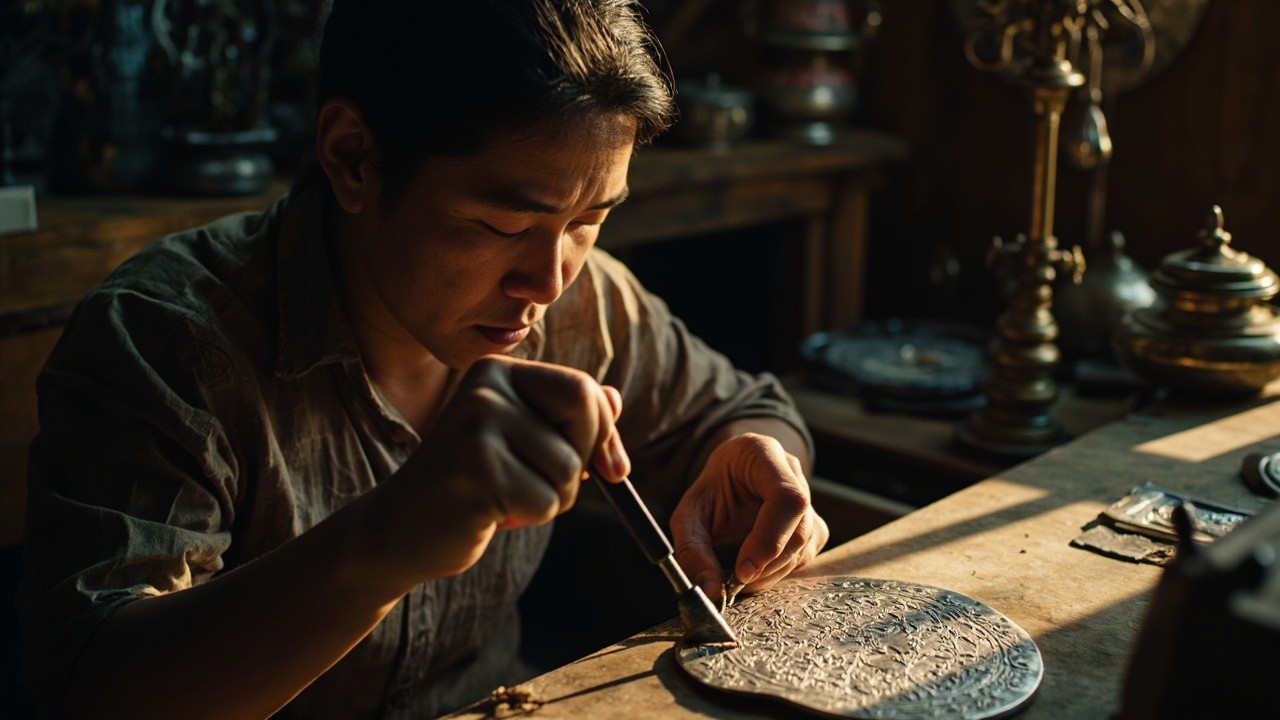
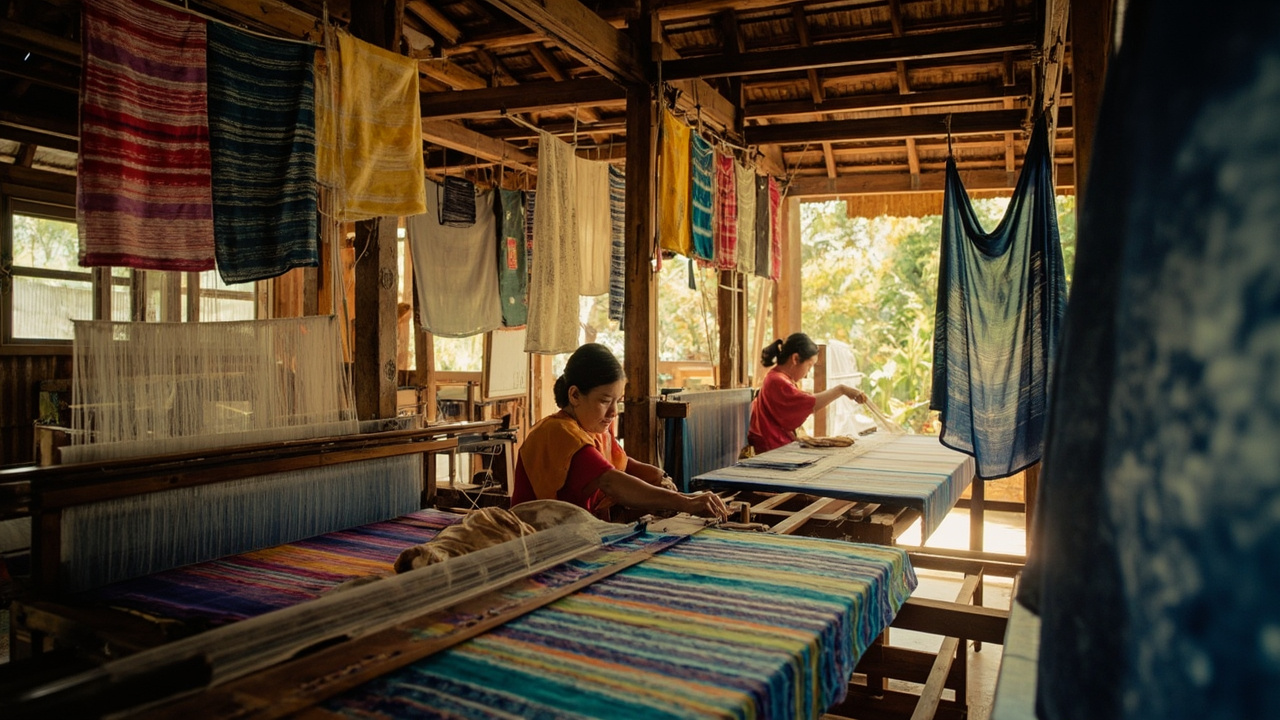
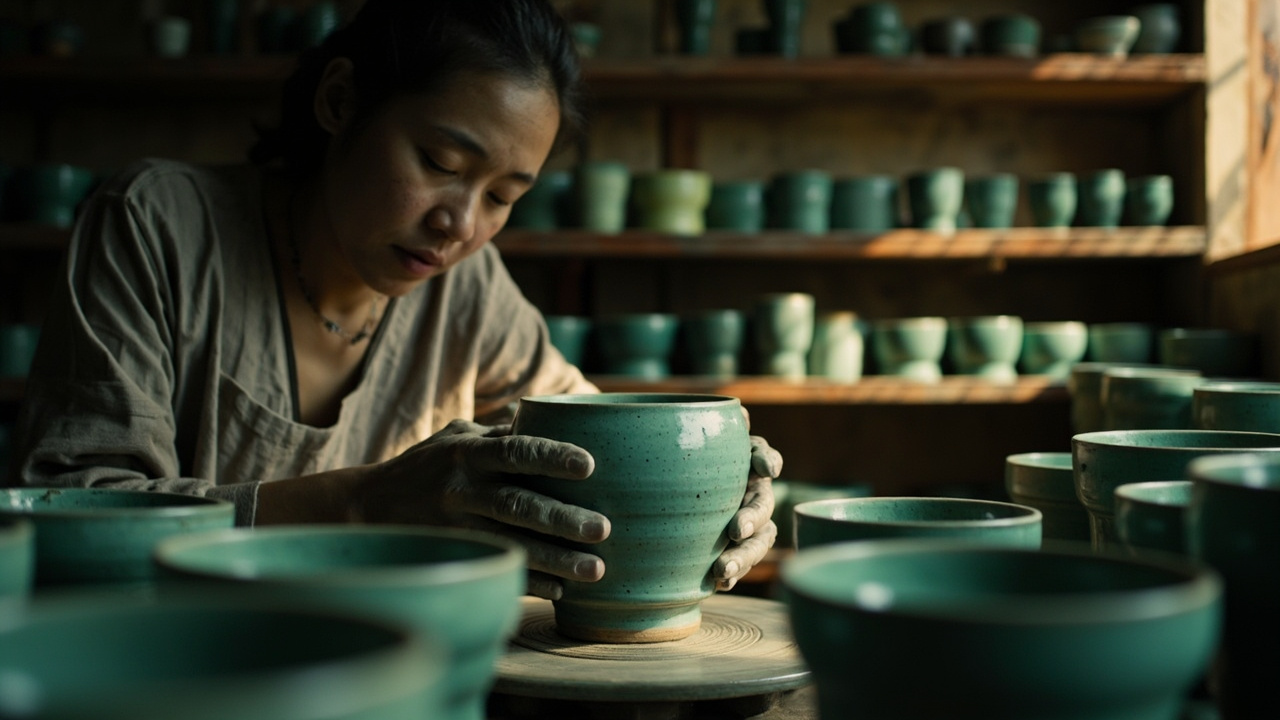
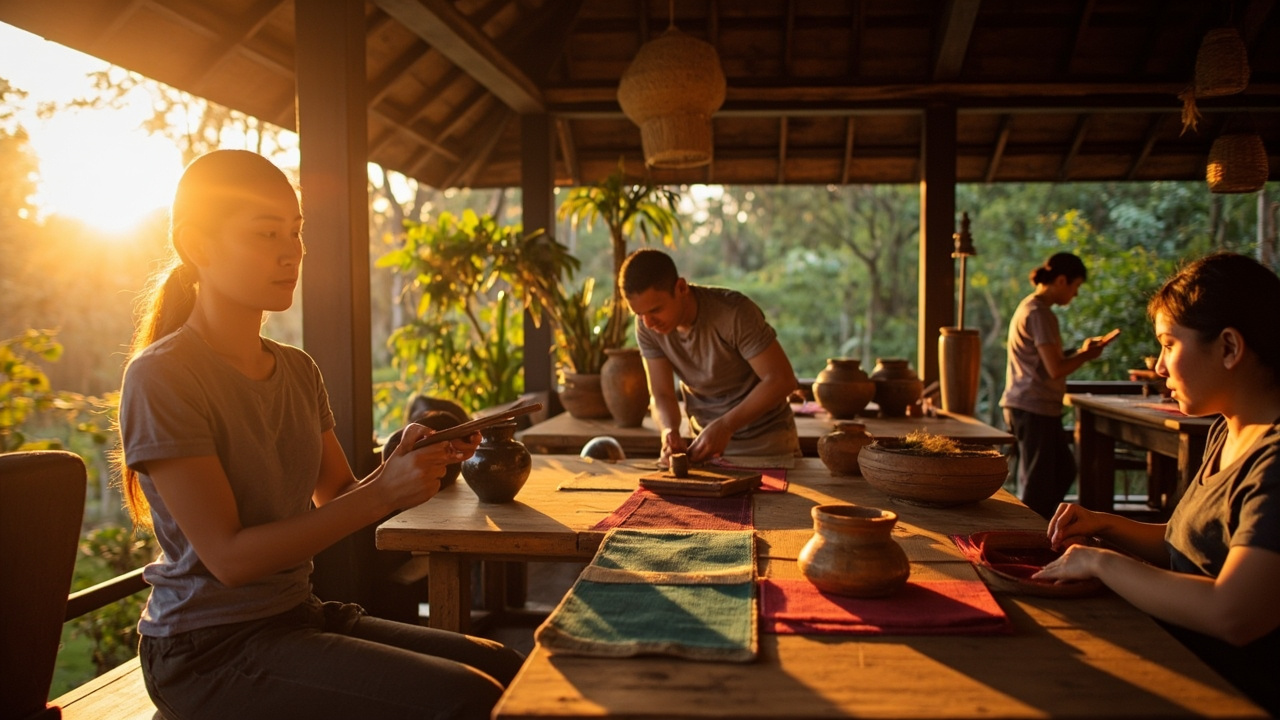
Look closely at the stitching and edges; handmade textiles often have slight imperfections that show the artisan's touch, while machine-made items tend to have uniformity.
• Feel the fabric! Handmade textiles usually have a more textured and organic feel compared to the smoothness of machine-made fabrics.
• Don't hesitate to ask the seller about their techniques and materials. Genuine artisans are usually proud to share their knowledge and the story behind their work.
Practical Chiang Mai planning note: Approach temples, ceremonies and community events respectfully. Dress requirements, photography rules, access areas and festival arrangements can vary, so follow signs and staff instructions and avoid treating religious spaces as ordinary photo locations.
Chiang Mai is a hub for artisan crafts, and there are several places where you can join workshops. A great starting point is Baan Tawai Village, where many artisans offer hands-on experiences in wood carving, weaving, and more.
• Another fantastic option is to check out local community centers or cultural organizations like the Chiang Mai Arts and Culture Centre, which often host workshops showcasing traditional crafts.
• Additionally, look for announcements in local art galleries or cafés, as they sometimes collaborate with artisans for special events or classes. Online platforms like Meetup can also be useful for finding craft workshops happening in the city.
Practical Chiang Mai planning note: Approach temples, ceremonies and community events respectfully. Dress requirements, photography rules, access areas and festival arrangements can vary, so follow signs and staff instructions and avoid treating religious spaces as ordinary photo locations.
To find authentic handicraft experiences, start by exploring local artisan workshops where you can see craftsmen at work. Many places in areas like Baan Tawai or the Nimmanhaemin district offer hands-on workshops where you can create your own crafts.
• Joining local tours that focus on handicrafts can also lead you to hidden gems. These tours often include visits to lesser-known markets and studios, providing insights into the artisans' stories and techniques.
• Don't forget to check community centers or cultural festivals happening in Chiang Mai. These events often feature local artisans showcasing their work and provide opportunities for interactive experiences.
Practical Chiang Mai planning note: Approach temples, ceremonies and community events respectfully. Dress requirements, photography rules, access areas and festival arrangements can vary, so follow signs and staff instructions and avoid treating religious spaces as ordinary photo locations.
Choose to buy directly from artisans at local markets or craft fairs, which ensures that a larger portion of your money goes directly to them.
• Share their work on social media or recommend them to friends; this helps spread the word and can significantly boost their visibility.
• Consider purchasing items that are made from sustainable or locally sourced materials, as this not only supports the artisan but also promotes responsible practices.
Practical Chiang Mai planning note: Approach temples, ceremonies and community events respectfully. Dress requirements, photography rules, access areas and festival arrangements can vary, so follow signs and staff instructions and avoid treating religious spaces as ordinary photo locations.
Beyond the popular crafts, Chiang Mai has some unique techniques that are truly fascinating. For instance, the art of *Khit* weaving involves intricate patterns, often used in traditional Lanna textiles, and is a skill passed down through generations. Visitors can find workshops dedicated to this technique, where they can learn firsthand about the process.
• Another interesting craft is *Bamboo Weaving*, where artisans create functional and decorative items from locally sourced bamboo. The flexibility of bamboo allows for creativity, resulting in beautiful pieces that are also eco-friendly. Some artisans offer hands-on experiences, making it a fun way to engage with this craft.
Practical Chiang Mai planning note: Approach temples, ceremonies and community events respectfully. Dress requirements, photography rules, access areas and festival arrangements can vary, so follow signs and staff instructions and avoid treating religious spaces as ordinary photo locations.
Craft workshops in Chiang Mai are designed to help you build practical skills in a relaxed environment. You'll often find that instructors take the time to walk you through techniques step-by-step, making it easy to follow along.
• Many workshops cater to beginners, so you won't feel overwhelmed. You'll likely leave with not just a completed project but also a better understanding of the craft itself.
• Additionally, the hands-on experience encourages creativity, allowing you to experiment and personalize your creations as you learn.
Practical Chiang Mai planning note: Approach temples, ceremonies and community events respectfully. Dress requirements, photography rules, access areas and festival arrangements can vary, so follow signs and staff instructions and avoid treating religious spaces as ordinary photo locations.
When photographing artisan crafts, natural light is your best friend. Aim to shoot during the day near a window or outdoors to capture the true colors and details of your products.
• Consider using a simple backdrop that doesn't distract from your items, like a clean white sheet or a rustic wooden table. This helps showcase the craftsmanship without any clutter.
• Close-up shots are essential to highlight the intricate details and textures of your crafts, so don't hesitate to get up close. And remember, multiple angles can provide potential buyers with a better sense of the item.
• Lastly, editing your photos lightly can enhance their appeal, but make sure you remain true to the product colors and textures to maintain trust with your customers.
Practical Chiang Mai planning note: Approach temples, ceremonies and community events respectfully. Dress requirements, photography rules, access areas and festival arrangements can vary, so follow signs and staff instructions and avoid treating religious spaces as ordinary photo locations.
When shopping in Chiang Mai, it's common to negotiate prices, especially in markets. Start by politely asking if the price is flexible.
• Do a bit of research beforehand to get a feel for the typical prices of items you're interested in. This gives you a better foundation for negotiating.
• Building a rapport with the seller can go a long way. A friendly conversation can make them more willing to offer you a discount.
Practical Chiang Mai planning note: Approach temples, ceremonies and community events respectfully. Dress requirements, photography rules, access areas and festival arrangements can vary, so follow signs and staff instructions and avoid treating religious spaces as ordinary photo locations. Prices and fares change, so request the current amount before committing.
If you're looking to dive into traditional Thai handicrafts, Chiang Mai is a fantastic place to start. You can visit places like the Baan Tawai Village, which is known for its artisan workshops focused on various crafts, including wood carving and silk weaving.
• Another great option is the Lanna Folklife Museum, which sometimes holds workshops that give you a taste of local craft techniques. Keep an eye on their schedule to catch any special events.
• Additionally, many local artisans offer private workshops, so you might even consider reaching out to individual craftspeople for a more personalized experience.
Practical Chiang Mai planning note: Approach temples, ceremonies and community events respectfully. Dress requirements, photography rules, access areas and festival arrangements can vary, so follow signs and staff instructions and avoid treating religious spaces as ordinary photo locations.
To uncover hidden gem shops, start by wandering through the charming backstreets of the Old City and Nimmanhaemin area. You'll often find small, locally-owned shops that aren't featured in mainstream tourist guides.
• Don't hesitate to ask locals for their recommendations. They often know the best spots for unique handicrafts that may not be on the radar of most tourists.
• Another great way to discover unique shops is to explore craft villages, like Baan Tawai, where artisans work and sell their products directly. Here, you can often chat with the makers and learn about their craft.
• Keep an eye out for pop-up markets or art fairs, as these events frequently showcase local artisans and can lead you to some fantastic, lesser-known shops.
Practical Chiang Mai planning note: Approach temples, ceremonies and community events respectfully. Dress requirements, photography rules, access areas and festival arrangements can vary, so follow signs and staff instructions and avoid treating religious spaces as ordinary photo locations.
To ensure you're purchasing high-quality handicrafts, take some time to inspect the craftsmanship before buying.
• Look for details like even stitching on textiles or smooth finishes on wooden items, which can indicate a skilled artisan.
• Ask the seller about the origin of the items; reputable vendors will be happy to share details about their artisans and the materials used.
• It's also helpful to visit established markets or shops that have a good reputation among locals, as these often feature the best craftsmanship.
Practical Chiang Mai planning note: Approach temples, ceremonies and community events respectfully. Dress requirements, photography rules, access areas and festival arrangements can vary, so follow signs and staff instructions and avoid treating religious spaces as ordinary photo locations.
Look for items that showcase attention to detail and craftsmanship. High-quality local crafts often have a unique finish, reflecting the artisan's skill and dedication.
• Ask questions about the materials used. Local artisans typically use natural or locally-sourced materials, which can enhance the product's value and sustainability.
• Check for authenticity marks or labels that indicate the item is made by local artisans. These can provide assurance of quality and support local craftspeople.
• Visiting well-reviewed artisan shops or galleries can lead you to high-quality crafts. Many of these locations take pride in curating the best from local designers.
Practical Chiang Mai planning note: Approach temples, ceremonies and community events respectfully. Dress requirements, photography rules, access areas and festival arrangements can vary, so follow signs and staff instructions and avoid treating religious spaces as ordinary photo locations.
One great way to support local artisans is by purchasing handmade crafts directly from them; this not only helps their livelihood but also gives you a unique souvenir to remember your trip.
• Look for workshops where you can learn traditional crafts like weaving or pottery; participating in these activities often includes purchasing the items you create, benefiting both you and the artisans.
• Inquire about local markets or fair trade shops that sell the work of various artisans; this way, you can ensure that your purchase directly supports the community.
Practical Chiang Mai planning note: Approach temples, ceremonies and community events respectfully. Dress requirements, photography rules, access areas and festival arrangements can vary, so follow signs and staff instructions and avoid treating religious spaces as ordinary photo locations.
One common mistake is not asking enough questions about the materials used in the textiles. Always inquire whether the fabrics are made from natural fibers like cotton or silk, as these tend to be more durable and comfortable.
• Another pitfall is overlooking the importance of quality. Check for even stitching and finish; textiles with loose threads or uneven seams might not hold up over time.
• Additionally, many shoppers forget to compare prices between different vendors. It's always a good idea to explore a few shops before making a purchase to ensure you're getting a fair deal.
Practical Chiang Mai planning note: Approach temples, ceremonies and community events respectfully. Dress requirements, photography rules, access areas and festival arrangements can vary, so follow signs and staff instructions and avoid treating religious spaces as ordinary photo locations.
When searching for authentic textiles, always look for shops that showcase the work of local artisans. These places often have a story behind each piece, which adds to its value.
• Engage with the artisans themselves if possible; they can provide insights into their techniques and materials, making your purchase even more meaningful.
• Avoid tourist traps by venturing into local markets or smaller shops in neighborhoods like Nimmanhaemin and Baan Tawai, where you're more likely to find genuine handmade items.
Practical Chiang Mai planning note: Approach temples, ceremonies and community events respectfully. Dress requirements, photography rules, access areas and festival arrangements can vary, so follow signs and staff instructions and avoid treating religious spaces as ordinary photo locations.
Local community boards or social media groups often share information about upcoming craft markets, so keep an eye on those.
• Following local artisans and craft businesses on platforms like Instagram or Facebook can also be a great way to stay updated on market schedules and special events.
• Don't hesitate to ask around at the markets you visit; artisans are usually well-connected and can point you to other events in the area.
Practical Chiang Mai planning note: Approach temples, ceremonies and community events respectfully. Dress requirements, photography rules, access areas and festival arrangements can vary, so follow signs and staff instructions and avoid treating religious spaces as ordinary photo locations.
Absolutely! Many craft workshops in Chiang Mai are designed with beginners in mind, offering a welcoming atmosphere where you can learn at your own pace.
• Places like the Chiang Mai Craft Center and Himapan Gallery provide introductory classes that focus on fundamental techniques, ensuring you feel comfortable and supported as you develop your skills.
• Don't hesitate to ask the workshop organizers about their beginner-friendly sessions; they often have special resources and instructors ready to guide newcomers.
Practical Chiang Mai planning note: Approach temples, ceremonies and community events respectfully. Dress requirements, photography rules, access areas and festival arrangements can vary, so follow signs and staff instructions and avoid treating religious spaces as ordinary photo locations.
Start your journey early in the day to enjoy a calm atmosphere and avoid the midday heat. Many artisans begin their work early, so you'll get to see them in action.
• Consider renting a scooter or hiring a local guide to navigate the villages. This way, you can easily hop from one workshop to another without missing out on hidden gems.
• Don't be shy about asking questions! Artisans love to share their stories and techniques, and engaging with them can give you a deeper appreciation for their craft.
• Bring cash for purchases, as many smaller shops may not accept credit cards. It's also a good idea to have small denominations ready for bargaining.
Practical Chiang Mai planning note: Approach temples, ceremonies and community events respectfully. Dress requirements, photography rules, access areas and festival arrangements can vary, so follow signs and staff instructions and avoid treating religious spaces as ordinary photo locations.
To truly connect with local artisans, consider visiting Baan Tawai Village, known for its traditional handicrafts. Many artisans welcome visitors into their workshops, where you can watch them create beautiful pieces and even try your hand at the crafts.
• Participating in hands-on workshops is another great way to learn. Many places offer classes in pottery, weaving, or wood carving, allowing you to not only learn new skills but also understand the cultural significance behind each craft.
• Local markets often have artisans showcasing their work and demonstrating techniques, so engaging in conversations with them can provide deeper insights into their craft and the traditions that inspire them.
Practical Chiang Mai planning note: Approach temples, ceremonies and community events respectfully. Dress requirements, photography rules, access areas and festival arrangements can vary, so follow signs and staff instructions and avoid treating religious spaces as ordinary photo locations.
Supporting local artisans in Chiang Mai is both rewarding and easy! One of the best ways is to purchase directly from local markets and artisan shops instead of mass-produced items. This ensures that your money goes straight to the craftspeople and helps sustain their livelihoods.
• Participating in workshops is another fantastic way to support artisans. Not only do you learn a new skill, but you also contribute to the community by engaging with their craft traditions. Many workshops offer hands-on experiences in weaving, pottery, or painting traditional umbrellas.
• Additionally, you can spread the word about local artisans through social media or by recommending their work to friends and family. This helps build awareness and appreciation for the unique craftsmanship found in Chiang Mai, ensuring that these traditions continue to thrive.
Practical Chiang Mai planning note: Approach temples, ceremonies and community events respectfully. Dress requirements, photography rules, access areas and festival arrangements can vary, so follow signs and staff instructions and avoid treating religious spaces as ordinary photo locations.
One of the best ways to support local artisans is by purchasing directly from their workshops or stalls at markets. This ensures that your money goes straight to the makers.
• You can also look for shops that are part of fair trade organizations, as they often focus on ethical sourcing and fair wages for artisans.
• Consider participating in workshops where you can learn a skill and buy materials directly from the artisans, building a deeper connection with the craft and the community.
Practical Chiang Mai planning note: Approach temples, ceremonies and community events respectfully. Dress requirements, photography rules, access areas and festival arrangements can vary, so follow signs and staff instructions and avoid treating religious spaces as ordinary photo locations.
Shipping handicrafts from Chiang Mai can be a great way to bring your treasures back home, but there are a few things to keep in mind.
• Firstly, check with your chosen courier about any restrictions on specific items, as some handmade goods may have regulations depending on the materials used.
• Additionally, it's wise to get your items properly packed to prevent damage during transit; many shops offer shipping services with appropriate packaging.
• Be prepared for possible customs duties when your items arrive in your country, and keep all receipts to ease the process.
Practical Chiang Mai planning note: Approach temples, ceremonies and community events respectfully. Dress requirements, photography rules, access areas and festival arrangements can vary, so follow signs and staff instructions and avoid treating religious spaces as ordinary photo locations.
If you're looking to refine your pottery skills, Chiang Mai has several studios that cater to advanced techniques. Places like the Chiang Mai Pottery Workshop offer classes in specialized areas such as porcelain throwing and intricate glazing methods.
• Another excellent option is the Lanna School of Ceramic, which provides advanced courses that delve into sculptural pottery and mixed media. They often have guest artists who bring unique perspectives and skills.
• Make sure to check the class schedules in advance, as these advanced sessions can be less frequent and may require prior experience or a portfolio of your work.
Practical Chiang Mai planning note: Approach temples, ceremonies and community events respectfully. Dress requirements, photography rules, access areas and festival arrangements can vary, so follow signs and staff instructions and avoid treating religious spaces as ordinary photo locations.
Yes, many pottery classes in Chiang Mai cover not just the shaping of clay but also the firing and glazing processes. It's a great way to see your creations come to life!
• Studios like O2 Studio offer comprehensive workshops that include these techniques, guiding you through the entire process from start to finish. You'll learn how to prepare your pieces for the kiln and select glazes that enhance your work.
• If you're particularly interested in specific firing methods, like raku or soda firing, be sure to ask the studio for details. Some places even have special classes focused solely on these techniques.
Practical Chiang Mai planning note: Approach temples, ceremonies and community events respectfully. Dress requirements, photography rules, access areas and festival arrangements can vary, so follow signs and staff instructions and avoid treating religious spaces as ordinary photo locations.
Traditional textiles in Chiang Mai are not just beautiful artifacts; they are also woven with stories. Many patterns and colors represent tales from local folklore, often passed down through generations.
• For instance, certain designs may symbolize prosperity or good fortune, while others can depict local myths or historical events, making each piece a unique narrative thread in the region's cultural tapestry.
• Visiting local markets or workshops can give you insight into these stories, as artisans often share the meanings behind their creations, enriching your understanding of the textiles you're admiring.
Practical Chiang Mai planning note: Approach temples, ceremonies and community events respectfully. Dress requirements, photography rules, access areas and festival arrangements can vary, so follow signs and staff instructions and avoid treating religious spaces as ordinary photo locations.
When photographing textiles, natural light is your best friend! Try to shoot during the day near windows or outdoors to capture the vibrant colors and textures.
• Consider using a plain background to make the textiles stand out, and don't hesitate to zoom in on details to highlight unique patterns and craftsmanship.
• If you're at a market or workshop, ask the artisans if you can photograph them while they work. It adds a personal touch to your images and showcases the human element behind the craft.
Practical Chiang Mai planning note: Approach temples, ceremonies and community events respectfully. Dress requirements, photography rules, access areas and festival arrangements can vary, so follow signs and staff instructions and avoid treating religious spaces as ordinary photo locations.
Attending craft workshops is a fantastic way to immerse yourself in local culture while learning new skills. It's hands-on and often led by skilled artisans who share their stories and techniques.
• You get to create something unique to take home, which can be a memorable souvenir from your trip. Plus, you might meet fellow travellers and locals who share your interests.
• Many workshops offer small group sizes, ensuring personalized attention, which enhances your learning experience. You'll walk away with newfound knowledge and maybe even a new hobby!
Practical Chiang Mai planning note: Approach temples, ceremonies and community events respectfully. Dress requirements, photography rules, access areas and festival arrangements can vary, so follow signs and staff instructions and avoid treating religious spaces as ordinary photo locations.
When shopping, look for labels or signs that indicate the use of sustainable materials. Many artisans take pride in using eco-friendly resources and will highlight this in their marketing.
• Ask the vendors about the materials they use and their sourcing practices. Most artisans love to share the story behind their craft, and this can give you insight into their sustainability efforts.
• Consider visiting workshops or co-ops where artisans create their products. These places often prioritize sustainability and ethical practices, which can provide peace of mind about your purchases.
• Lastly, you can support shops that specialize in fair trade and sustainable goods, as they usually have strict guidelines about the products they sell, ensuring a more responsible shopping experience.
Practical Chiang Mai planning note: Approach temples, ceremonies and community events respectfully. Dress requirements, photography rules, access areas and festival arrangements can vary, so follow signs and staff instructions and avoid treating religious spaces as ordinary photo locations.
If you're interested in preserving traditional textiles, there are several resources in Chiang Mai that can help. Local museums often host workshops and talks focused on textile preservation, showcasing techniques specific to the region's fabrics.
• You can also find specialized classes at artisan centers that teach how to care for and restore textiles, which is a great way to connect with skilled artisans and learn directly from them.
• Additionally, local libraries and cultural centers may have literature on textile preservation, including books and guides that detail best practices for maintaining the integrity and beauty of traditional pieces.
Practical Chiang Mai planning note: Approach temples, ceremonies and community events respectfully. Dress requirements, photography rules, access areas and festival arrangements can vary, so follow signs and staff instructions and avoid treating religious spaces as ordinary photo locations.
Northern Thailand is rich in unique crafts, and one of the highlights is the intricate art of Lanna-style paper umbrella making. You can learn this at various workshops in the area.
• Another fascinating craft is traditional bamboo weaving, where you can create beautiful baskets and home decor items. Look for classes that focus on this sustainable practice, as it's deeply rooted in local culture.
• Don't miss the opportunity to learn about silver jewelry making, which is also a hallmark of Northern Thai craftsmanship. Many local silversmiths offer hands-on classes where you can create your own piece to take home.
Practical Chiang Mai planning note: Approach temples, ceremonies and community events respectfully. Dress requirements, photography rules, access areas and festival arrangements can vary, so follow signs and staff instructions and avoid treating religious spaces as ordinary photo locations.
When selecting handmade crafts, pay attention to the details and craftsmanship; look for items that show skill and care in their creation.
• It's also helpful to ask artisans about their materials; high-quality, locally sourced materials often indicate a better product.
• Supporting businesses that are transparent about their production processes can ensure you are purchasing ethically made crafts.
Practical Chiang Mai planning note: Approach temples, ceremonies and community events respectfully. Dress requirements, photography rules, access areas and festival arrangements can vary, so follow signs and staff instructions and avoid treating religious spaces as ordinary photo locations.
Local handicraft shops can significantly enhance customer service by integrating AI assistants. These assistants can answer common inquiries about products, availability, and pricing, allowing artisans to focus more on their craft.
• AI assistants can also manage multilingual queries, making it easier for international visitors to access information without language barriers.
• Additionally, they can capture customer inquiries or requests for custom items, helping shops streamline their communication and better understand client needs.
Practical Chiang Mai planning note: Approach temples, ceremonies and community events respectfully. Dress requirements, photography rules, access areas and festival arrangements can vary, so follow signs and staff instructions and avoid treating religious spaces as ordinary photo locations.
Absolutely! Chiang Mai is home to numerous talented artisans. One great way to meet them is by visiting local workshops, where you can often see the weaving process firsthand and even participate in classes.
• You might also explore the artisan villages in the surrounding areas, such as the Hmong or Karen villages, where traditional textile techniques are still practiced.
• Places like the Chiang Mai Handicraft Promotion Center showcase the work of local artisans and often have shops where you can purchase directly from the makers, ensuring your support goes straight to them.
Practical Chiang Mai planning note: Approach temples, ceremonies and community events respectfully. Dress requirements, photography rules, access areas and festival arrangements can vary, so follow signs and staff instructions and avoid treating religious spaces as ordinary photo locations.
AI assistants can enhance customer interactions by providing instant answers to common questions about products, pricing, and availability, ensuring customers have a smooth shopping experience.
• They can also support multiple languages, making it easier for international visitors to engage with local artisans and understand the cultural significance of their crafts.
• Furthermore, AI assistants can help businesses capture inquiries and feedback, enabling them to improve their offerings and better cater to customer preferences.
Practical Chiang Mai planning note: Approach temples, ceremonies and community events respectfully. Dress requirements, photography rules, access areas and festival arrangements can vary, so follow signs and staff instructions and avoid treating religious spaces as ordinary photo locations.
AI technology can help textile shops track inventory levels in real-time, ensuring that popular items are always in stock and reducing the chances of overstocking less popular products.
• With predictive analytics, businesses can anticipate trends and adjust their inventory accordingly, helping them stay ahead of the competition and meet customer demands.
• Using AI can also streamline the ordering process, making it easier for shop owners to replenish stock efficiently and cut down on manual errors.
Practical Chiang Mai planning note: Approach temples, ceremonies and community events respectfully. Dress requirements, photography rules, access areas and festival arrangements can vary, so follow signs and staff instructions and avoid treating religious spaces as ordinary photo locations.
Yes, many artisans in Chiang Mai offer private lessons where you can enjoy personalized guidance and focus on specific crafts that interest you.
• These sessions can be tailored to your pace and skill level, which is great for anyone wanting a more intimate learning experience.
• Using AI Assistants from Own The Conversation - can make it easier to find and book these private sessions, ensuring you get the most out of your craft journey.
Practical Chiang Mai planning note: Approach temples, ceremonies and community events respectfully. Dress requirements, photography rules, access areas and festival arrangements can vary, so follow signs and staff instructions and avoid treating religious spaces as ordinary photo locations. Confirm that any named venue still operates and check its present opening days, booking method and location directly.
Yes, many artisans in Chiang Mai are committed to sustainable practices. When shopping, look for shops that emphasize eco-friendly materials and fair trade practices to support responsible sourcing.
• You might also find workshops that focus on traditional weaving techniques, allowing you to purchase directly from artisans and ensuring that your money supports the local economy.
• Asking about the materials used and the production process can also help you make informed choices about sustainability while enjoying the beauty of traditional textiles.
Practical Chiang Mai planning note: Approach temples, ceremonies and community events respectfully. Dress requirements, photography rules, access areas and festival arrangements can vary, so follow signs and staff instructions and avoid treating religious spaces as ordinary photo locations.
Incorporating traditional textiles into your home decor can add a rich cultural touch and warmth to your space. Think about using handwoven fabrics as wall hangings, table runners, or even cushion covers to create a comfortable atmosphere.
• You might also consider creating a gallery wall featuring framed pieces of textile art, showcasing intricate patterns and vibrant colors. This not only beautifies your space but also tells a story of craftsmanship and heritage.
• When choosing textiles, look for items that resonate with you personally, whether it's a beautiful silk scarf or a bold cotton piece. Each item carries a unique cultural significance that can enhance your living environment.
Practical Chiang Mai planning note: Approach temples, ceremonies and community events respectfully. Dress requirements, photography rules, access areas and festival arrangements can vary, so follow signs and staff instructions and avoid treating religious spaces as ordinary photo locations.
When negotiating, it's helpful to approach the conversation with a friendly attitude and show genuine interest in the craftsmanship.
• Start by asking about the story behind the item you want to buy; this not only builds rapport but can also give you leverage in discussions about the price.
• It's common to negotiate, so don't hesitate to offer a price you think is fair while being respectful of the artisan's work.
Practical Chiang Mai planning note: Approach temples, ceremonies and community events respectfully. Dress requirements, photography rules, access areas and festival arrangements can vary, so follow signs and staff instructions and avoid treating religious spaces as ordinary photo locations. Prices and fares change, so request the current amount before committing.
When setting prices, consider the cost of materials, time spent creating the items, and what similar products are priced at in the market.
• It's beneficial to have a range of price points to cater to different customers, allowing for both small and larger purchases.
• Engaging with customers about the value of your work can also help justify your prices, and AI Assistants from Own The Conversation - can assist in addressing common pricing inquiries effectively.
Practical Chiang Mai planning note: Approach temples, ceremonies and community events respectfully. Dress requirements, photography rules, access areas and festival arrangements can vary, so follow signs and staff instructions and avoid treating religious spaces as ordinary photo locations. Confirm that any named venue still operates and check its present opening days, booking method and location directly. Prices and fares change, so request the current amount before committing.
Keep an eye on local design events and markets, such as Chiang Mai Design Week or weekend artisan markets. These gatherings are prime spots for discovering emerging talent.
• Social media platforms like Instagram can also be a treasure trove for finding local designers. Many showcase their work online, and you can follow hashtags related to Chiang Mai crafts.
• Additionally, consider visiting co-working spaces or design studios that host events or exhibitions. These venues often feature new designers and provide a glimpse into the latest local trends.
Practical Chiang Mai planning note: Approach temples, ceremonies and community events respectfully. Dress requirements, photography rules, access areas and festival arrangements can vary, so follow signs and staff instructions and avoid treating religious spaces as ordinary photo locations.
AI assistants can greatly enhance how local artisans connect with customers by providing instant answers to common inquiries about their products, availability, and custom orders.
• This technology can also assist artisans in managing their online presence, ensuring they reach a broader audience, including tourists who may not speak the local language.
• With the help of AI from Own The Conversation - artisans can engage with customers in multiple languages, making it easier for visitors to learn about their crafts and place orders, even from abroad.
Practical Chiang Mai planning note: Approach temples, ceremonies and community events respectfully. Dress requirements, photography rules, access areas and festival arrangements can vary, so follow signs and staff instructions and avoid treating religious spaces as ordinary photo locations. Confirm that any named venue still operates and check its present opening days, booking method and location directly.
To identify high-quality textiles, pay attention to the feel of the fabric. Genuine handmade textiles often have a rich texture and weight, unlike mass-produced items that might feel flimsy.
• Check for irregularities in the weave or patterns, as these can be signs of artisan craftsmanship. Each piece will have its own unique characteristics, which adds to its charm.
• Don't hesitate to ask vendors about their products. Many artisans are proud of their work and enjoy sharing the story behind their textiles, which can give you insight into the quality and craftsmanship.
Practical Chiang Mai planning note: Approach temples, ceremonies and community events respectfully. Dress requirements, photography rules, access areas and festival arrangements can vary, so follow signs and staff instructions and avoid treating religious spaces as ordinary photo locations.
AI assistants can streamline communication between artisans and potential customers, answering common questions about products and services instantly.
• They can help artisans manage inquiries in multiple languages, making it easier for international tourists to connect and understand the craftsmanship.
• Additionally, these AI tools can assist in capturing customer feedback and inquiries, which can help artisans refine their offerings and improve customer satisfaction.
Practical Chiang Mai planning note: Approach temples, ceremonies and community events respectfully. Dress requirements, photography rules, access areas and festival arrangements can vary, so follow signs and staff instructions and avoid treating religious spaces as ordinary photo locations.
Local designers often have a deep understanding of the cultural elements and aesthetics that resonate with the community. By collaborating with them, you can create unique products that reflect local heritage while still appealing to modern tastes.
• These designers can also provide custom solutions tailored to your brand's identity, ensuring that your offerings stand out in a competitive market.
• Moreover, supporting local designers helps build a positive brand image, showing customers that you value and invest in the local economy.
Practical Chiang Mai planning note: Approach temples, ceremonies and community events respectfully. Dress requirements, photography rules, access areas and festival arrangements can vary, so follow signs and staff instructions and avoid treating religious spaces as ordinary photo locations.
Absolutely! San Kamphaeng is famous for its craft workshops, where you can learn skills like silk weaving and pottery directly from local artisans.
• Many workshops are designed for all skill levels, so whether you're a beginner or have some experience, you'll find something that suits you.
• Participating in these workshops not only gives you hands-on experience but also helps you connect with the culture and traditions of the area.
Practical Chiang Mai planning note: Approach temples, ceremonies and community events respectfully. Dress requirements, photography rules, access areas and festival arrangements can vary, so follow signs and staff instructions and avoid treating religious spaces as ordinary photo locations.
AI can analyze customer data to create targeted marketing campaigns, ensuring that promotional efforts reach the right audience who are interested in specific textile products.
• By automating social media management, AI can help businesses maintain a consistent online presence, showcasing their unique textile offerings and engaging with potential customers effectively.
• Additionally, AI can track the performance of marketing campaigns in real-time, allowing businesses to adjust their strategies quickly for maximum impact.
Practical Chiang Mai planning note: Approach temples, ceremonies and community events respectfully. Dress requirements, photography rules, access areas and festival arrangements can vary, so follow signs and staff instructions and avoid treating religious spaces as ordinary photo locations.
Taking pottery classes is a fantastic way to boost your creativity. As you work with clay, you'll learn to think outside the box and experiment with different forms and techniques.
• Working with your hands can be incredibly therapeutic, allowing you to express your emotions and ideas in a tangible way.
• Many studios encourage personal expression, so you'll find yourself trying new styles and methods that can enhance your artistic vision.
• Plus, being in a class setting allows you to collaborate and share ideas with fellow students, providing inspiration and new perspectives.
Practical Chiang Mai planning note: Approach temples, ceremonies and community events respectfully. Dress requirements, photography rules, access areas and festival arrangements can vary, so follow signs and staff instructions and avoid treating religious spaces as ordinary photo locations.
When exploring textiles, look for high-quality materials like natural cotton and silk. These are not only durable but also reflect the rich traditions of the region.
• Pay attention to techniques like hand-weaving and natural dyeing, which showcase the skill of the artisans. Each piece often tells a story, adding to its value.
• Engaging with sellers about their materials and methods can lead to deeper insights into the cultural significance behind the textiles, enriching your shopping experience.
Practical Chiang Mai planning note: Approach temples, ceremonies and community events respectfully. Dress requirements, photography rules, access areas and festival arrangements can vary, so follow signs and staff instructions and avoid treating religious spaces as ordinary photo locations.
High-quality images are essential; they should showcase the details and craftsmanship of your products, which can truly entice customers.
• Consider sharing the story behind your crafts; customers love knowing about the artisans and the cultural significance of the items they are purchasing.
• Utilizing social media can help connect with potential customers; platforms like Instagram are great for visually-driven products like artisan crafts.
• An AI assistant can help handle customer queries about shipping, product details, and availability, allowing you to focus on creating your art.
Practical Chiang Mai planning note: Approach temples, ceremonies and community events respectfully. Dress requirements, photography rules, access areas and festival arrangements can vary, so follow signs and staff instructions and avoid treating religious spaces as ordinary photo locations.
AI Assistants can help you manage customer inquiries more efficiently by providing instant responses to common questions about your products, pricing, and availability.
• They can also handle multiple languages, making your handicrafts accessible to a broader audience, which is especially useful if you attract international tourists.
• By integrating an AI Assistant from Own The Conversation - you can ensure that your customers receive timely support, allowing you to focus on creating beautiful crafts.
Practical Chiang Mai planning note: Approach temples, ceremonies and community events respectfully. Dress requirements, photography rules, access areas and festival arrangements can vary, so follow signs and staff instructions and avoid treating religious spaces as ordinary photo locations. Confirm that any named venue still operates and check its present opening days, booking method and location directly.
Look for shops that highlight fair trade practices and provide information about the artisans behind the products. Many local markets have vendors who are transparent about their sourcing.
• Additionally, you can visit specific craft villages like Baan Tawai, where many artisans focus on sustainable practices and community support.
• By asking questions about the origin of the items, you can make more informed choices and ensure your purchases benefit the local economy.
Practical Chiang Mai planning note: Approach temples, ceremonies and community events respectfully. Dress requirements, photography rules, access areas and festival arrangements can vary, so follow signs and staff instructions and avoid treating religious spaces as ordinary photo locations.
Absolutely! Chiang Mai is home to several ethical shops that prioritize fair trade and sustainability. One standout is 'Doi Tung Development Project,' which supports local hill tribe communities by selling their textiles and crafts while ensuring they receive fair compensation.
• Another great option is 'Mekong Blue,' known for its exquisite silk products made by artisans in Laos. They focus on ethical practices and provide training for local women, empowering them through their craft.
• Visiting these shops not only allows you to purchase beautiful textiles but also supports the artisans and their communities, making your shopping experience more meaningful.
Practical Chiang Mai planning note: Approach temples, ceremonies and community events respectfully. Dress requirements, photography rules, access areas and festival arrangements can vary, so follow signs and staff instructions and avoid treating religious spaces as ordinary photo locations.
For eco-friendly textiles, look for shops that focus on sustainable practices. Many local artisans use natural dyes and materials, which not only create beautiful products but are also better for the environment.
• Check out stores like Mekong Blue, which emphasizes ethical production and supports local women artisans, or the Doi Tung Development Project, which promotes sustainable livelihoods for hill tribe communities.
• By choosing eco-friendly options, you're not just buying a product; you're supporting a movement towards responsible consumption and helping preserve traditional crafts.
Practical Chiang Mai planning note: Approach temples, ceremonies and community events respectfully. Dress requirements, photography rules, access areas and festival arrangements can vary, so follow signs and staff instructions and avoid treating religious spaces as ordinary photo locations.
Using AI can help local artisans identify trends and customer preferences through data analysis, enabling more targeted marketing strategies.
• AI tools can assist in automating social media posts and email campaigns, saving time for artisans who may not have marketing expertise.
• Additionally, AI can personalize customer interactions, recommending products based on past purchases or browsing behavior, thus enhancing the shopping experience.
Practical Chiang Mai planning note: Approach temples, ceremonies and community events respectfully. Dress requirements, photography rules, access areas and festival arrangements can vary, so follow signs and staff instructions and avoid treating religious spaces as ordinary photo locations.