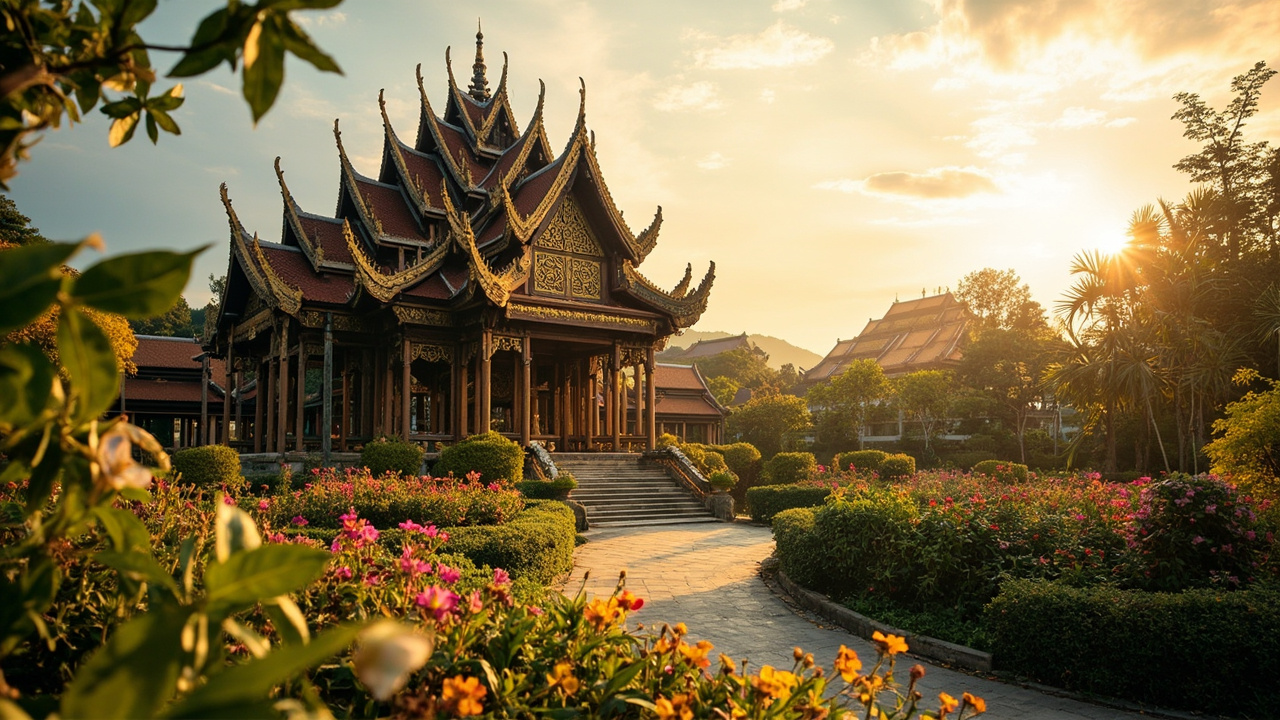
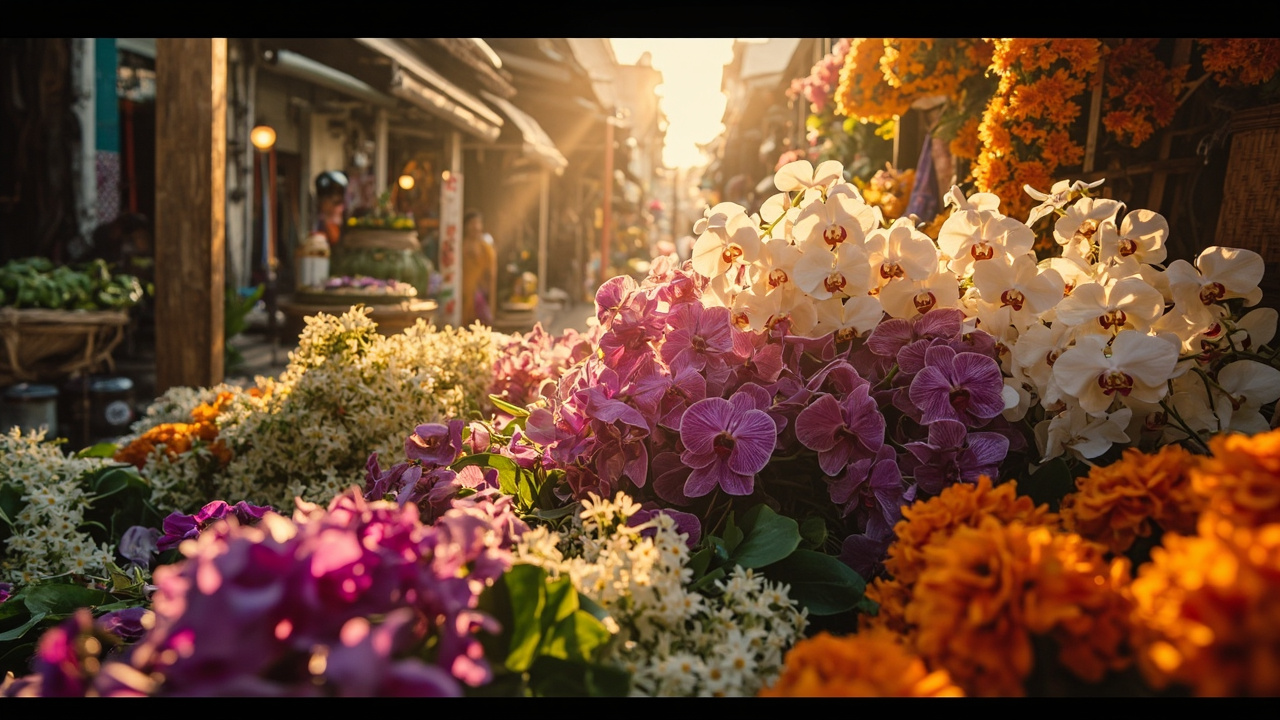
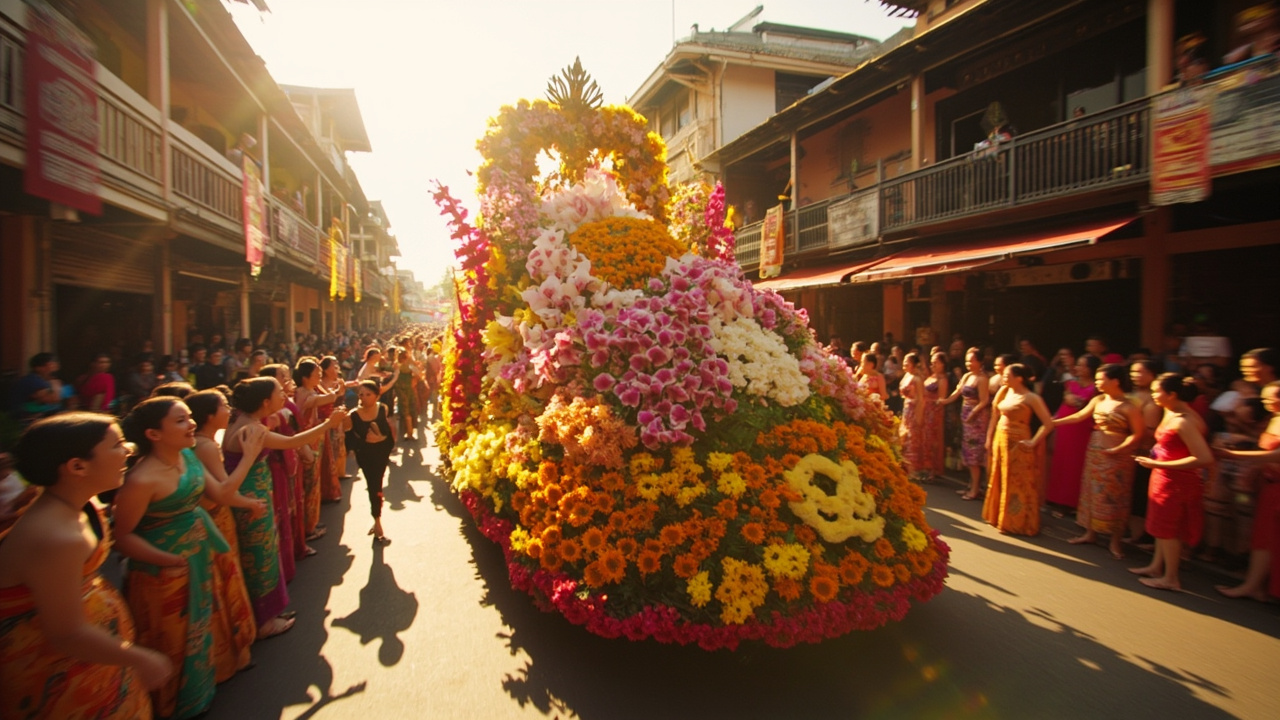
The Chiang Mai Flower Festival usually takes place in early February, and it's a vibrant celebration of the region's floral beauty, featuring stunning flower displays and a lively parade.
• Make sure to check the festival dates, as they can shift slightly each year. In , for example, it's expected to be held from February 2 to 4.
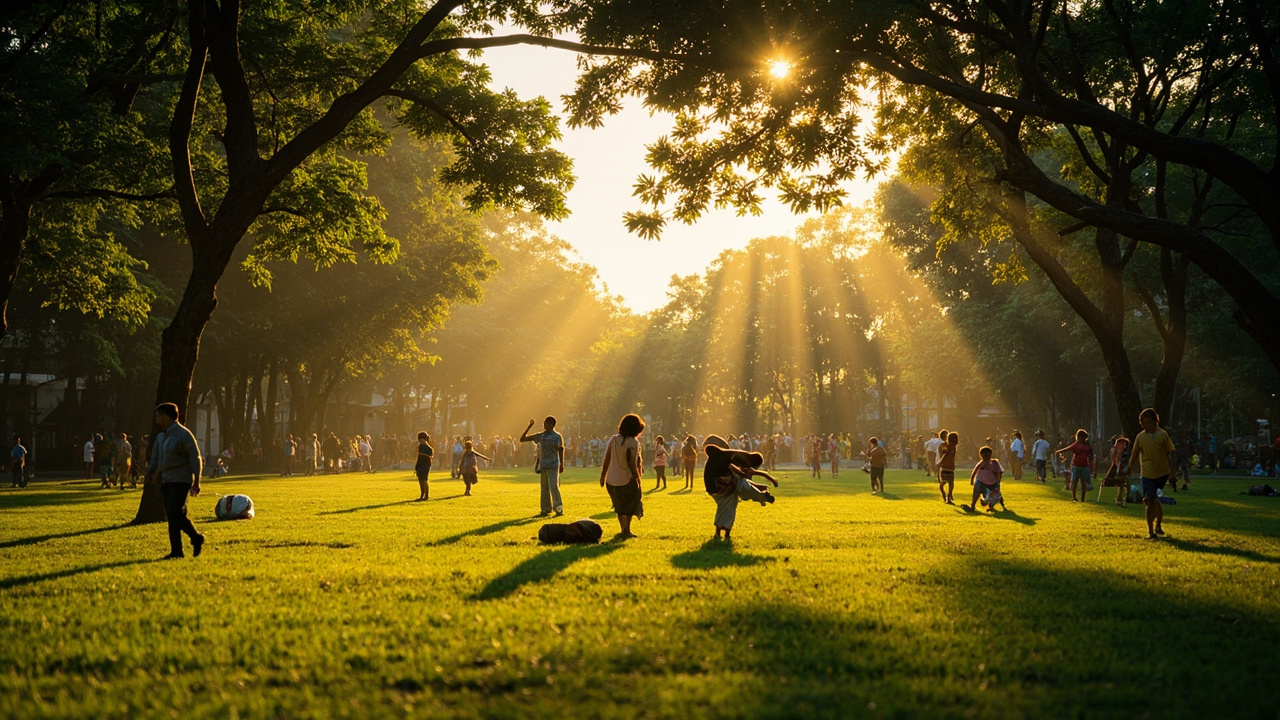
• The main events are concentrated in the city center, especially in Suan Buak Haad Park and along the main streets, making it easy to explore the floral displays and enjoy local food vendors.
• Arriving early in the day is a good idea, as the crowds can get quite large, especially during the parade. This will give you a better chance to enjoy the displays and take some beautiful photos.
Practical Chiang Mai planning note: Look at the qualifications, safeguarding, facilities, language support and suitability for your own health or family needs. A pleasant online description is not a substitute for checking the current programme and speaking directly with the provider. Treat any old date in an earlier description as historical context, not as the current schedule.
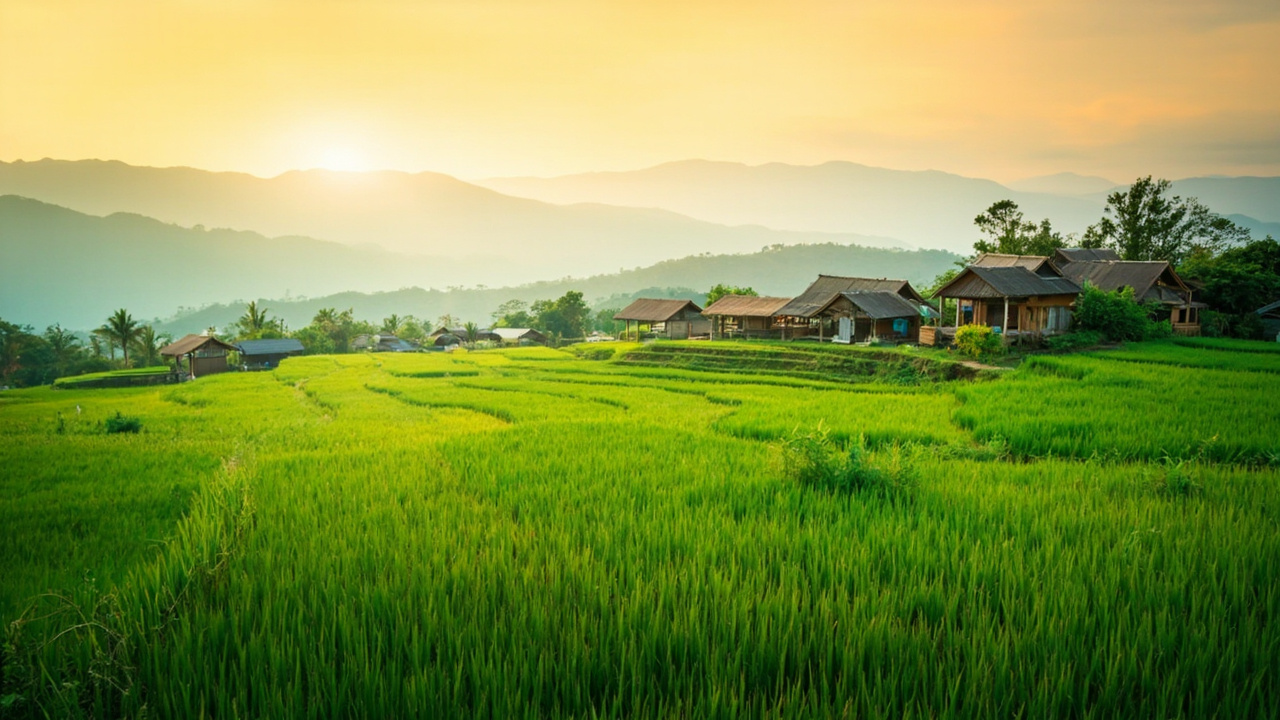
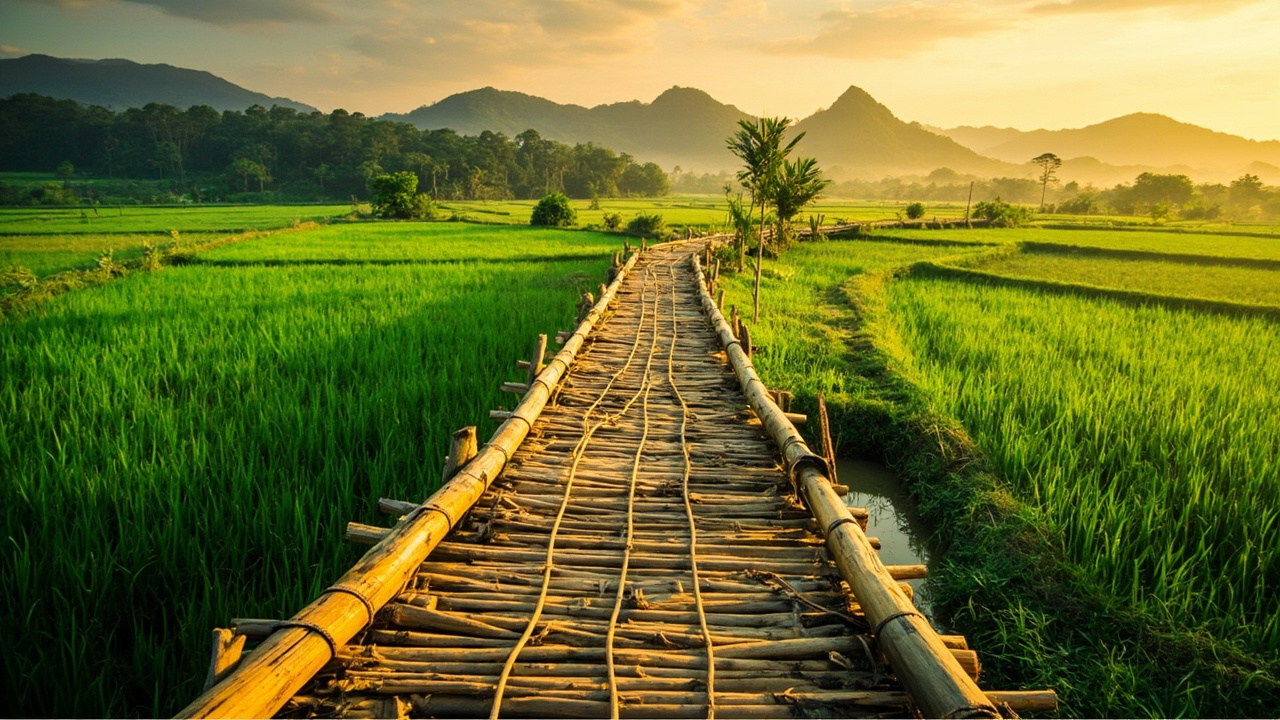
If you're looking to escape the tourist crowds, check out Baan Pa Pong Piang. This village is famous for its stunning rice terraces that cascade down the mountains, offering breathtaking views without the hustle and bustle.
• Another great spot is the Samoeng District, known for its lush landscapes and fewer visitors. The peaceful atmosphere makes it perfect for a quiet day of exploring and photography.
• Lastly, consider visiting the Mae Ho Phra area. It's less traveled but boasts beautiful rice fields and a chance to experience authentic local life.
Practical Chiang Mai planning note: Look at the qualifications, safeguarding, facilities, language support and suitability for your own health or family needs. A pleasant online description is not a substitute for checking the current programme and speaking directly with the provider.
One of the best ways to support local farmers is by participating in community-based tourism initiatives. These programs often allow you to join in on farming activities, giving you a firsthand experience of their daily lives.
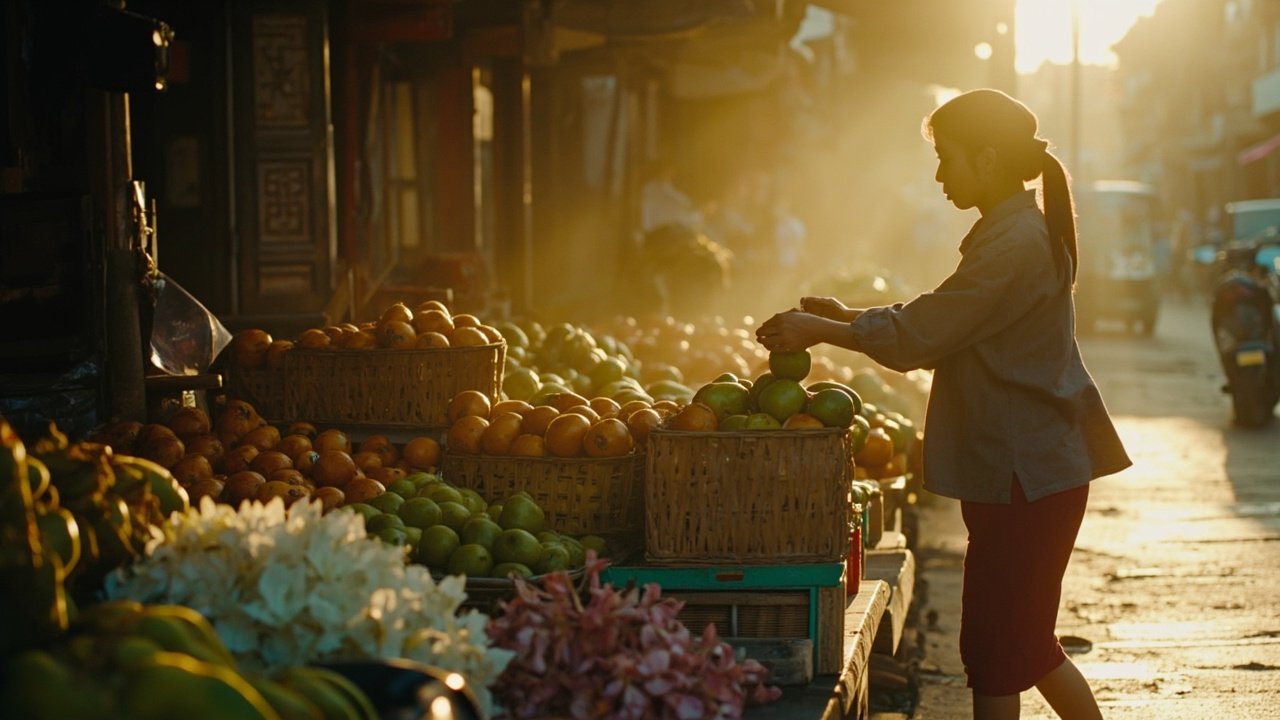
• You can also purchase locally grown rice or handmade products directly from farmers or at local markets. This not only helps their economy but also allows you to take home a piece of the region.
• Consider dining at restaurants that source their ingredients locally. Enjoying a meal made from fresh, local produce is a delicious way to support the community.
• Lastly, engaging with farmers and asking about their practices can foster mutual respect and understanding, which is invaluable.
Practical Chiang Mai planning note: Look at the qualifications, safeguarding, facilities, language support and suitability for your own health or family needs. A pleasant online description is not a substitute for checking the current programme and speaking directly with the provider.
Yes, many vineyards host seasonal events like grape harvest festivals, where visitors can participate in grape stomping and other fun activities.
• Some vineyards offer wine pairing dinners or special tasting events that highlight local cuisine alongside their wines, providing a unique culinary experience.
• Keep an eye out for wine education workshops or vineyard tours that focus on specific grape varieties, which can deepen your understanding of local winemaking.
Practical Chiang Mai planning note: Look at the qualifications, safeguarding, facilities, language support and suitability for your own health or family needs. A pleasant online description is not a substitute for checking the current programme and speaking directly with the provider.
Start by checking the operating hours and peak times for the vineyards you want to visit to avoid large crowds.
• Consider booking your tours during the cooler months between November and February when the weather is more pleasant.
• Look for package deals that include tastings and meals, as many vineyards offer special experiences that can enhance your visit.
• Don't forget to make reservations in advance, especially for larger groups or special events, to ensure you get the experience you want.
Practical Chiang Mai planning note: Look at the qualifications, safeguarding, facilities, language support and suitability for your own health or family needs. A pleasant online description is not a substitute for checking the current programme and speaking directly with the provider. Confirm that any named venue still operates and check its present opening days, booking method and location directly.
Getting to the rice fields around Chiang Mai by public transport is quite doable, especially if you plan ahead. Many travellers use songthaews, which are shared taxis that run along set routes and are a budget-friendly option.
• For places like San Kamphaeng or Doi Inthanon, you can catch a songthaew from the Old City. Just be sure to ask the driver if they can drop you off near the fields.
• Alternatively, for a more structured experience, consider joining a local tour that provides transportation. This way, you won't have to worry about navigating the routes yourself.
• It's also worth checking the schedules for local buses, as some areas might have direct routes during peak tourism seasons.
Practical Chiang Mai planning note: Look at the qualifications, safeguarding, facilities, language support and suitability for your own health or family needs. A pleasant online description is not a substitute for checking the current programme and speaking directly with the provider.
AI assistants can streamline the booking process by handling inquiries and reservations 24/7, allowing potential visitors to easily check availability.
• They can also provide personalized recommendations based on user preferences, helping guests find the perfect vineyard experience that suits their tastes.
• By automating FAQs about tour details, pricing, and special events, AI assistants can free up staff time so they can focus on creating memorable experiences for guests.
Practical Chiang Mai planning note: Look at the qualifications, safeguarding, facilities, language support and suitability for your own health or family needs. A pleasant online description is not a substitute for checking the current programme and speaking directly with the provider. Confirm that any named venue still operates and check its present opening days, booking method and location directly.
The Chiang Mai Flower Market, known as 'Suan Bua,' is a vibrant spot to explore, especially if you're a fan of flowers and local flora.
• It's located near the Ping River and is open daily, but the best time to visit is early in the morning when the flowers are fresh and the market is bustling with activity.
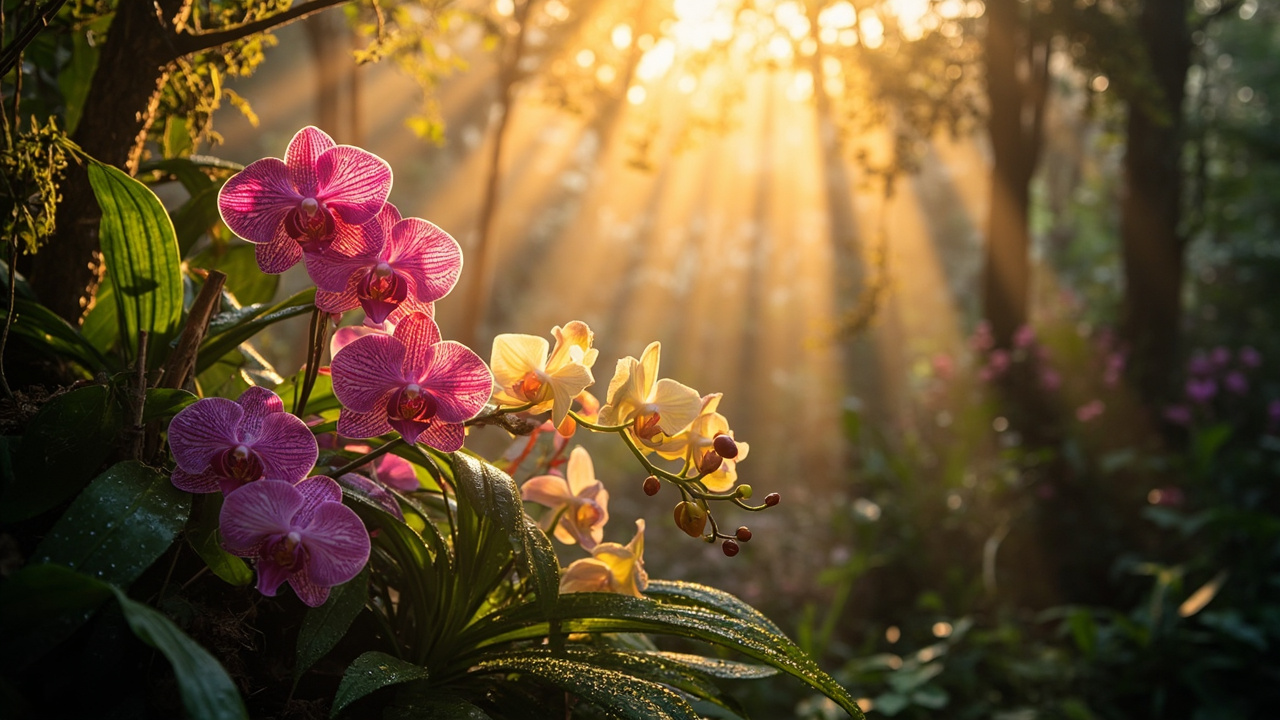
• You'll find a stunning array of blooms, from local orchids to colourful roses, along with potted plants and wreaths. It's a great place to soak in the local culture and maybe pick up a beautiful bouquet to brighten your day.
Practical Chiang Mai planning note: Look at the qualifications, safeguarding, facilities, language support and suitability for your own health or family needs. A pleasant online description is not a substitute for checking the current programme and speaking directly with the provider. Confirm that any named venue still operates and check its present opening days, booking method and location directly.
Yes, many vineyards offer group tours, and they often have special packages for larger parties, which can include tastings and meals.
• To organize a tour, it's best to contact the vineyard directly to discuss your group's size, preferred dates, and any specific requirements you might have.
• Some vineyards may even provide transportation options for larger groups, making it easier to coordinate your visit.
Practical Chiang Mai planning note: Look at the qualifications, safeguarding, facilities, language support and suitability for your own health or family needs. A pleasant online description is not a substitute for checking the current programme and speaking directly with the provider.
The Chiang Mai Flower Festival is a vibrant celebration that showcases beautiful floral displays and parades.
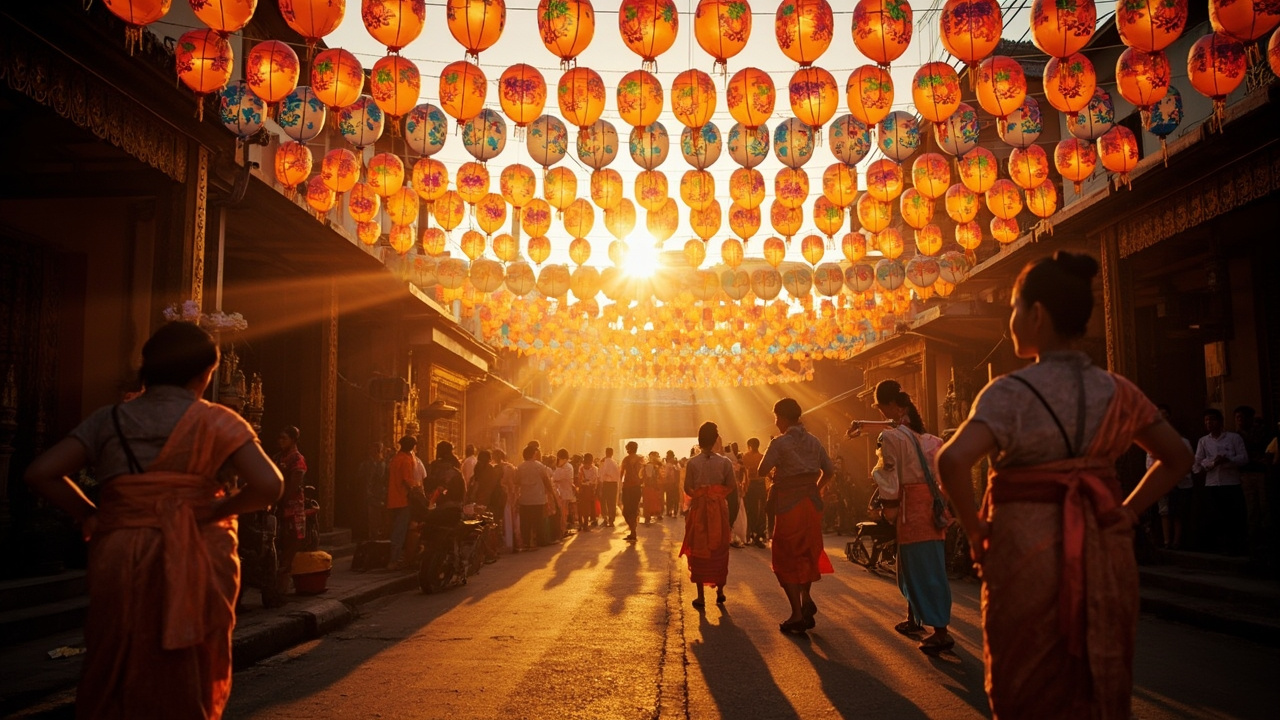
• Visitors can join in by attending the grand parade, featuring floats adorned with stunning flowers, and enjoy live music and traditional dances performed by local artists.
• Engaging with local vendors at the flower markets is also a great way to learn about the regional flora and perhaps pick up some beautiful plants or crafts to take home.
Practical Chiang Mai planning note: Look at the qualifications, safeguarding, facilities, language support and suitability for your own health or family needs. A pleasant online description is not a substitute for checking the current programme and speaking directly with the provider.
Absolutely! Many vineyards are increasingly aware of the diverse backgrounds of their visitors and can offer tours in multiple languages.
• AI assistants can help bridge language gaps by providing information in various languages, ensuring that everyone gets to enjoy the experience fully.
• When planning your visit, it's a good idea to check with the vineyard about language options for tours to enhance your experience.
Practical Chiang Mai planning note: Look at the qualifications, safeguarding, facilities, language support and suitability for your own health or family needs. A pleasant online description is not a substitute for checking the current programme and speaking directly with the provider.
The Flower Festival, held in February, showcases the stunning blooms of the region and celebrates the beauty of nature. It's a feast for the senses, featuring colourful parades, floral displays, and traditional music.
• Be prepared for a lively atmosphere; plan to arrive early to secure a good viewing spot for the parade, which is one of the highlights of the festival. Don't miss the opportunity to taste local delicacies available at food stalls throughout the event.
• It's a family-friendly festival, so expect to see lots of activities for children, including games and craft booths. Engaging with locals and fellow travellers adds to the joyful experience, making it a great way to connect with Chiang Mai's vibrant culture.
Practical Chiang Mai planning note: Look at the qualifications, safeguarding, facilities, language support and suitability for your own health or family needs. A pleasant online description is not a substitute for checking the current programme and speaking directly with the provider.
• By Car: Renting a car allows for flexibility to explore various farms at your own pace, with many located within a 30-60 minute drive.
• By Taxi: Hiring a taxi can be convenient for visiting specific farms; negotiate the fare beforehand to avoid surprises.
• By Tour: Consider joining a guided farm tour that includes transportation, providing insights into local agricultural practices.
• Public Transport: Some farms may be accessible via local buses or songthaews, but check routes in advance.
Practical Chiang Mai planning note: Look at the qualifications, safeguarding, facilities, language support and suitability for your own health or family needs. A pleasant online description is not a substitute for checking the current programme and speaking directly with the provider. Prices and fares change, so request the current amount before committing.
• Dress modestly and respectfully, as some vineyards may have specific dress codes.
• Always greet staff with a polite 'Sawasdee' (hello) when you arrive.
• It is customary to remove your shoes when entering certain areas, so be prepared for this.
• When tasting wine, it is polite to take small sips and appreciate the flavours.
• If you are part of a group, wait for everyone to be served before starting to taste.
Practical Chiang Mai planning note: Look at the qualifications, safeguarding, facilities, language support and suitability for your own health or family needs. A pleasant online description is not a substitute for checking the current programme and speaking directly with the provider.
Visiting rice fields isn't just about the stunning landscapes; it's also a great way to immerse yourself in local culture. Many villages have community-based tourism initiatives where you can participate in traditional activities like rice planting or harvesting.
• You can also look for workshops that teach local crafts or cooking classes featuring rice-based dishes, which can offer a deeper understanding of how integral rice is to the community.
• Joining a guided tour might also include visits to local markets or temples, providing rich insights into the daily lives of the farmers and their families.
• Don't miss the chance to interact with locals - they often share fascinating stories about their farming techniques and customs.
Practical Chiang Mai planning note: Look at the qualifications, safeguarding, facilities, language support and suitability for your own health or family needs. A pleasant online description is not a substitute for checking the current programme and speaking directly with the provider.
Farmers can adopt sustainable practices like crop rotation and agroforestry to enhance soil health and resilience against extreme weather.
• Implementing water conservation techniques, such as drip irrigation, can help manage water resources more efficiently, especially during drought periods.
• Collaborating with local agricultural extension services can provide access to the latest information on climate-resilient crop varieties and pest management strategies.
Practical Chiang Mai planning note: Look at the qualifications, safeguarding, facilities, language support and suitability for your own health or family needs. A pleasant online description is not a substitute for checking the current programme and speaking directly with the provider.
For a comfortable vineyard tour in Chiang Mai, consider the following:
- Light, breathable clothing for warm weather
- Comfortable walking shoes for exploring the vineyard
- A hat and sunglasses for sun protection
- A light jacket for cooler evenings
- Optional: a reusable water bottle to stay hydrated
Practical Chiang Mai planning note: Look at the qualifications, safeguarding, facilities, language support and suitability for your own health or family needs. A pleasant online description is not a substitute for checking the current programme and speaking directly with the provider.
Absolutely! The areas surrounding the rice fields often have local eateries where you can enjoy traditional Thai dishes made with fresh, local ingredients. Look for restaurants that showcase farm-to-table dining, which is quite popular.
• You might also find street food vendors selling delicious snacks, including rice-based dishes like sticky rice with mango or rice noodles in flavorful soups.
• If you're lucky, some farms offer cooking classes that allow you to prepare meals using ingredients sourced directly from their fields, giving you a hands-on experience of Thai cuisine.
Practical Chiang Mai planning note: Look at the qualifications, safeguarding, facilities, language support and suitability for your own health or family needs. A pleasant online description is not a substitute for checking the current programme and speaking directly with the provider.
The golden hours of sunrise and sunset provide the best lighting for capturing the vibrant colors of the rice fields. Aim to arrive early or stay late to really make the most of the natural light.
• Consider using a drone if you have one! Aerial shots can give you stunning perspectives of the rice terraces that you can't capture from the ground.
• Don't forget to include local farmers in your photos. Their presence adds a human touch and tells a story about the agricultural culture in the region.
Practical Chiang Mai planning note: Look at the qualifications, safeguarding, facilities, language support and suitability for your own health or family needs. A pleasant online description is not a substitute for checking the current programme and speaking directly with the provider.
• The best time to visit rice fields near Chiang Mai is during the growing and harvesting seasons.
• The growing season typically runs from June to October, when the fields are lush and green.
• Harvest time is from November to January, offering a chance to see the golden fields ready for collection.
• Visiting during these periods ensures you experience the rice fields at their most vibrant and picturesque.
Practical Chiang Mai planning note: Look at the qualifications, safeguarding, facilities, language support and suitability for your own health or family needs. A pleasant online description is not a substitute for checking the current programme and speaking directly with the provider.
Yes, the local farmers' market offers accessible parking spaces right at the entrance, making it convenient for those with mobility challenges.
• These spaces are clearly marked and usually available during market hours, but it's always a good idea to arrive early to secure a spot.
• If you have any specific needs or questions, feel free to ask the market staff; they're usually very helpful!
Practical Chiang Mai planning note: Look at the qualifications, safeguarding, facilities, language support and suitability for your own health or family needs. A pleasant online description is not a substitute for checking the current programme and speaking directly with the provider.
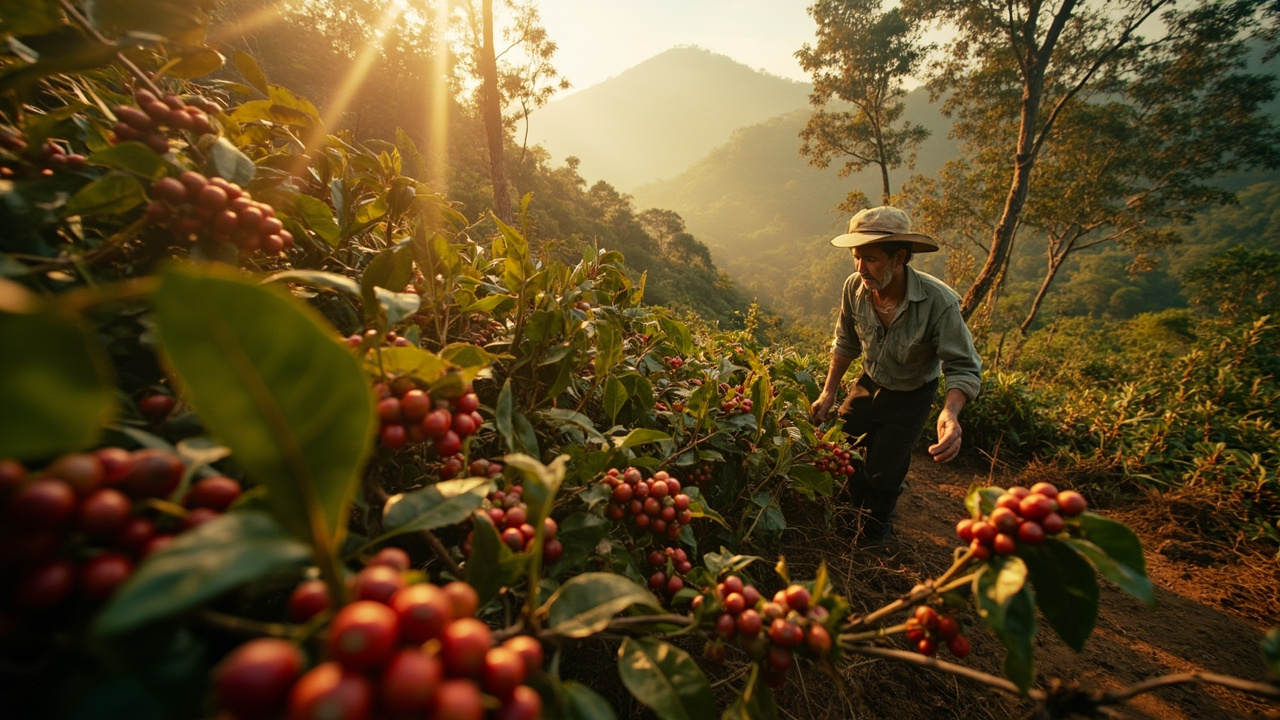
Farmers should pay close attention to seasonal weather patterns, such as rainfall and temperature fluctuations, as these directly influence planting and harvesting schedules. For instance, unexpected droughts or heavy rains can devastate yields if not planned for.
• Employing AI Assistants, like those from Own The Conversation - can help farmers analyze weather data and historical trends, leading to more informed decisions about what to plant and when. This technology can also assist in providing timely updates about weather changes that might affect crop health.
Practical Chiang Mai planning note: Look at the qualifications, safeguarding, facilities, language support and suitability for your own health or family needs. A pleasant online description is not a substitute for checking the current programme and speaking directly with the provider. Confirm that any named venue still operates and check its present opening days, booking method and location directly.
Vineyard tours here often include not just tastings, but also guided walks through the vineyards, where you can learn about the grape-growing process and local viticulture.
• Many vineyards also offer food pairings, where you can enjoy local dishes alongside the wines, enhancing the overall tasting experience.
• Some places might even have workshops or events, like grape stomping during harvest season, which can be a fun and memorable addition to your visit.
Practical Chiang Mai planning note: Look at the qualifications, safeguarding, facilities, language support and suitability for your own health or family needs. A pleasant online description is not a substitute for checking the current programme and speaking directly with the provider.
• Most vineyards in Northern Thailand allow visitors of all ages.
• However, some wine tastings may have age restrictions, typically requiring participants to be at least 18 years old.
• It is advisable to check with individual vineyards regarding their specific policies on age and tastings.
• Families with children are generally welcome, and some vineyards may offer non-alcoholic options for younger visitors.
Practical Chiang Mai planning note: Look at the qualifications, safeguarding, facilities, language support and suitability for your own health or family needs. A pleasant online description is not a substitute for checking the current programme and speaking directly with the provider.
Yes, one of the most celebrated events is the Rice Harvest Festival, typically held in November. This festival showcases local culture with traditional dances, food stalls, and activities centred around rice.
• Keep an eye out for smaller community events too. Villages often hold their own celebrations during planting or harvesting seasons, which can provide an authentic experience far from the tourist trail.
Practical Chiang Mai planning note: Look at the qualifications, safeguarding, facilities, language support and suitability for your own health or family needs. A pleasant online description is not a substitute for checking the current programme and speaking directly with the provider.
• Yes, there are several guided tours available that focus on rice field visits.
• Tours often include transportation, a local guide, and opportunities to learn about rice farming practices.
• You can find tours that range from half-day trips to full-day excursions, often combined with other local attractions.
• It's advisable to book in advance, especially during peak seasons for rice planting and harvesting.
• Check with local travel agencies or your accommodation for recommendations on reputable tour operators.
Practical Chiang Mai planning note: Look at the qualifications, safeguarding, facilities, language support and suitability for your own health or family needs. A pleasant online description is not a substitute for checking the current programme and speaking directly with the provider. Confirm that any named venue still operates and check its present opening days, booking method and location directly.
Absolutely! Many local farms welcome visitors to join in on rice planting or harvesting. It's a unique way to experience the local culture and learn about traditional farming methods.
• Look for community-based tourism initiatives or workshops that offer hands-on experiences. These often provide a deeper understanding of the rice farming process.
• Be sure to ask the farmers about their techniques and practices. They usually love sharing their knowledge and might even offer you some delicious local snacks afterward!
Practical Chiang Mai planning note: Look at the qualifications, safeguarding, facilities, language support and suitability for your own health or family needs. A pleasant online description is not a substitute for checking the current programme and speaking directly with the provider.
Chiang Mai and its surrounding areas offer several vineyard tours, including:
1. Monsoon Valley Vineyard - Located about 30 km from Chiang Mai, this vineyard features guided tours, wine tastings, and insights into local grape varieties. Website
2. Doi Kham Winery - Close to Chiang Mai, this winery specializes in fruit wines and offers tours that include tastings and education on their production process. Website
3. Highland Research and Development Institute (HRDI) - Near Chiang Mai, HRDI focuses on sustainable viticulture and offers educational tours and tastings.
4. Bannakham Vineyard - In Chiang Mai Province, this vineyard provides tours showcasing local grapes and winemaking techniques.
5. Local Wine Festivals - These events feature tastings, food pairings, and cultural performances, presenting multiple vineyards in a single setting.
Tips for Visiting: Book in advance, ensure safe transportation if tasting, and enjoy the scenic surroundings of the vineyards. Enjoy your vineyard tours!
Practical Chiang Mai planning note: Look at the qualifications, safeguarding, facilities, language support and suitability for your own health or family needs. A pleasant online description is not a substitute for checking the current programme and speaking directly with the provider. Confirm that any named venue still operates and check its present opening days, booking method and location directly.
Chiang Mai and its surrounding regions offer several vineyards and wineries for tours and wine tastings. Here are some recommended places:
1. Monsoon Valley Vineyard
- Description: Located in Hua Hin, this is a prominent vineyard in Thailand.
- What to Expect: Guided tours through the vineyard, wine tastings, and wine pairing experiences.
- Distance: Approximately 30 km from Chiang Mai.
- Website: Monsoon Valley Vineyard
2. Chiang Mai Wine Region - Grape Farm
- Description: Various smaller family-run vineyards around Chiang Mai offering tasting tours.
- What to Expect: Insight into local wine-making processes and tastings of local varieties.
- Distance: 30-60 km from Chiang Mai.
3. Khao Yai Wine Region
- Description: Although a bit further, Khao Yai is a major wine region with several vineyards.
- What to Expect: Tours of vineyards like PB Valley or GranMonte.
- Distance: 4-5 hours drive from Chiang Mai.
4. Bamboo Vineyard
- Description: A sustainable vineyard in the Doi Saket area.
- What to Expect: Tours and tastings of homegrown wines.
- Distance: About 20-30 km from Chiang Mai.
5. The Wine Connection
- Description: A shop with a vast selection of Thai and international wines.
- What to Expect: Sommelier-led tastings and insights into Thai wines.
- Location: Available in shopping centers like Maya and Central Festival.
6. Local Wine Festivals
- Description: Chiang Mai occasionally hosts wine festivals featuring local vineyards.
- What to Expect: Tastings, food pairings, and cultural activities.
- When: Check local listings for specific event dates.
7. Wine Tours by Local Travel Agencies
- Description: Local agencies offer organized vineyard tours with transportation.
- What to Expect: Day trips to top vineyards, meals, and learning about wine-making.
- How to Find: Look for agencies specializing in wine tours, like Chiang Mai Adventure Tours.
Exploring these vineyards will provide a great opportunity to enjoy local Thai wines amidst beautiful landscapes. Be sure to check availability and make reservations as needed!
Practical Chiang Mai planning note: Look at the qualifications, safeguarding, facilities, language support and suitability for your own health or family needs. A pleasant online description is not a substitute for checking the current programme and speaking directly with the provider. Confirm that any named venue still operates and check its present opening days, booking method and location directly.
Yes, Northern Thailand has several vineyards that offer tours and wine tastings, particularly around Chiang Mai and Chiang Rai. Here are some recommended vineyards:
1. Bannakham Vineyard: Located in Chiang Mai province, offering wine tastings and guided tours.
2. Siam Winery: Known for high-quality wines, including award-winning varieties, with tours and tastings available near Chiang Mai.
3. Doi Kham Winery: Famous for its fruit wines made from local fruits, offering tours and tastings in a scenic setting.
Website: doi-kham.com
4. Monsoon Valley Vineyard: Situated near Hua Hin, it offers vineyard tours, wine tastings, and local cuisine.
Website: monsoonvalley.com
5. Highland Research and Development Institute: Promotes grape cultivation and winemaking in Northern Thailand, providing insights into local agriculture and tastings.
Getting There:
- Most vineyards are accessible by car or taxi from Chiang Mai. Some offer tours that include transportation. It's best to check for tour availability and make reservations in advance.
Tips for Visiting:
- Tasting Fees: Some vineyards may charge for tastings or tours; check websites or call ahead.
- Timing: The ideal time to visit is during the cooler months (November to February).
- Transportation: Consider hiring a driver if you plan to sample wines.
Visiting a vineyard in Northern Thailand can be a delightful experience, allowing you to enjoy beautiful scenery and local wines!
Practical Chiang Mai planning note: Look at the qualifications, safeguarding, facilities, language support and suitability for your own health or family needs. A pleasant online description is not a substitute for checking the current programme and speaking directly with the provider. Confirm that any named venue still operates and check its present opening days, booking method and location directly.
The Chiang Mai Flower Festival is an annual event occurring in the first week of February, featuring floral displays, parade floats, and cultural performances. Here's how to get there:
1. Travel to Chiang Mai
- By Air: Fly into Chiang Mai International Airport (CNX) from major cities.
- By Bus: Take a bus from cities like Bangkok, Pai, or Chiang Rai, arriving at the Arcade Bus Station.
- By Train: Consider an overnight train from Bangkok for a unique countryside experience.
2. Getting to the Flower Festival Location
- Location: The festival primarily takes place in Suan Buak Hat Park and along Ratchadamnoen Road, near the Old City.
- By Songthaew: Use a songthaew (red truck) to get to the festival area. Just mention the Flower Festival.
- By Taxi/Ride-Hailing Service: Grab taxis offer a more comfortable, direct option.
- Walking: If near the Old City, enjoy a pleasant walk to the festival.
3. Plan Your Visit
- Check Dates: The festival runs over the weekend, typically Saturday and Sunday; check the exact schedule for major events.
- Arrive Early: Get there early for a good viewing spot and to enjoy the displays before crowds arrive.
Tips for Enjoying the Festival
- Bring Water: Stay hydrated as it can get crowded and hot.
- Dress Comfortably: Wear comfortable shoes and clothing for walking.
In summary, reach the Chiang Mai Flower Festival by flying, taking a bus, or a train. Use local transport like songthaews or taxis to access the festival area, and immerse yourself in the vibrant celebration!
Practical Chiang Mai planning note: Look at the qualifications, safeguarding, facilities, language support and suitability for your own health or family needs. A pleasant online description is not a substitute for checking the current programme and speaking directly with the provider.