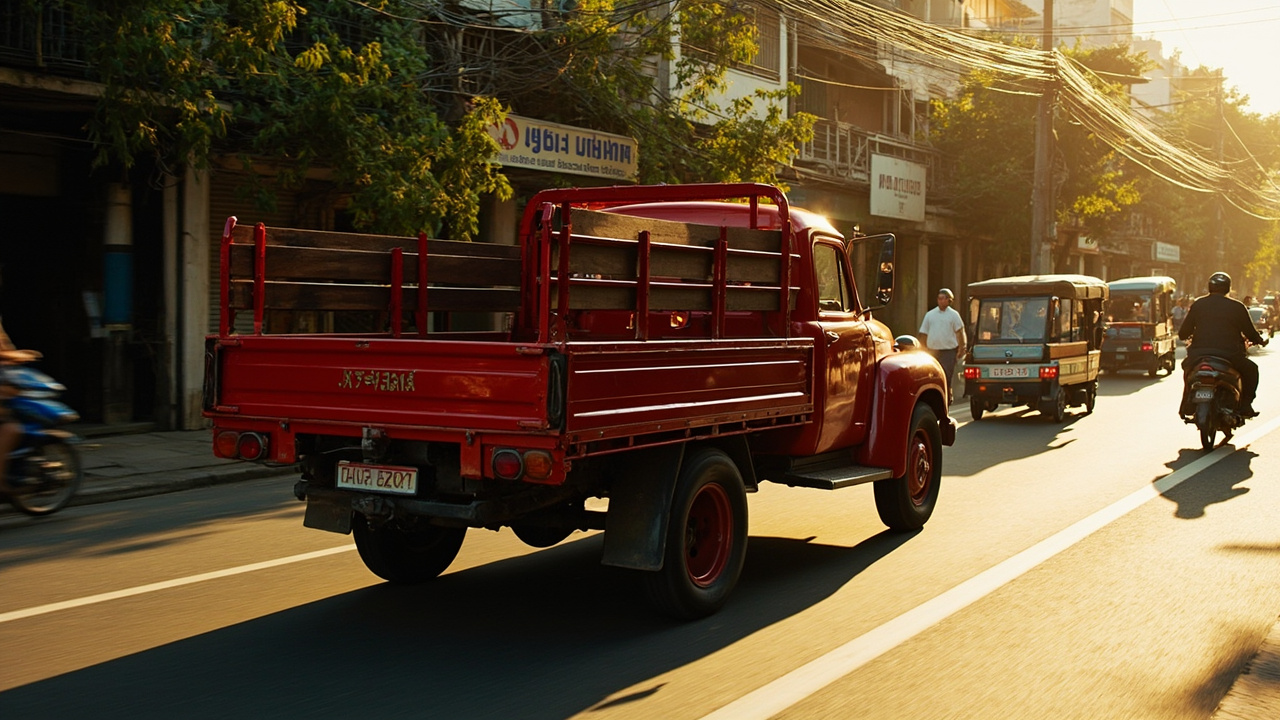
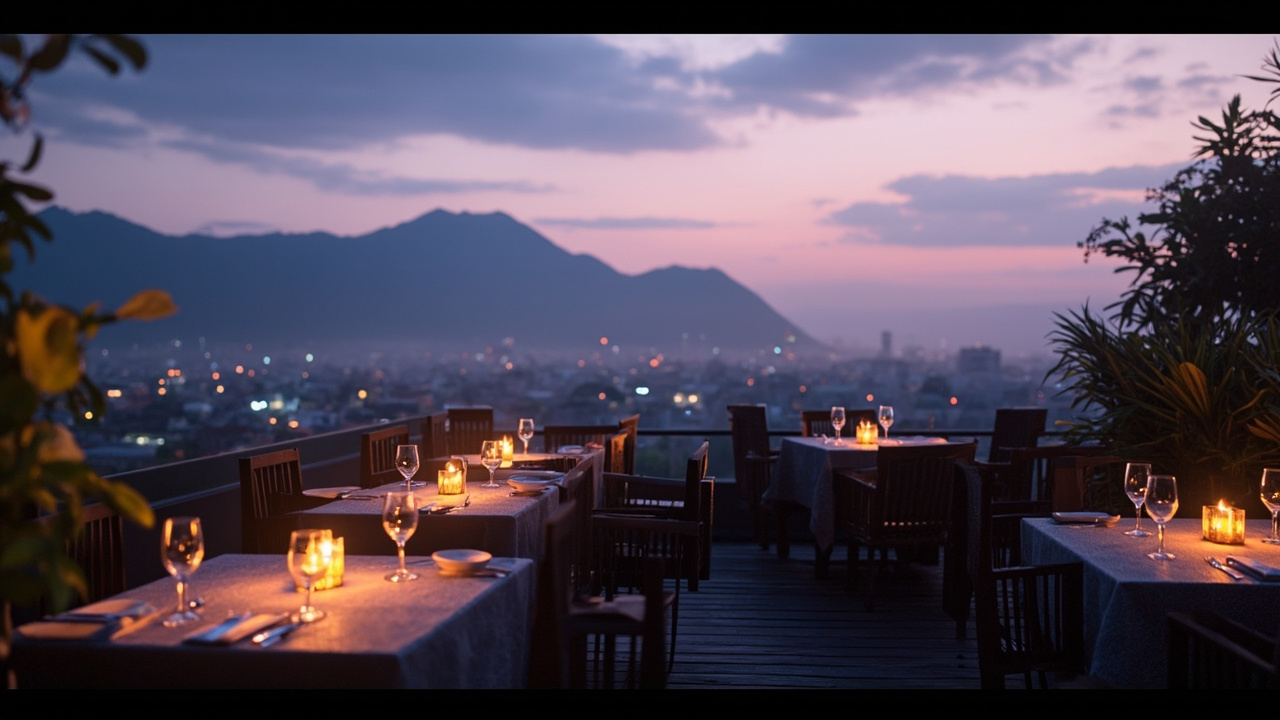
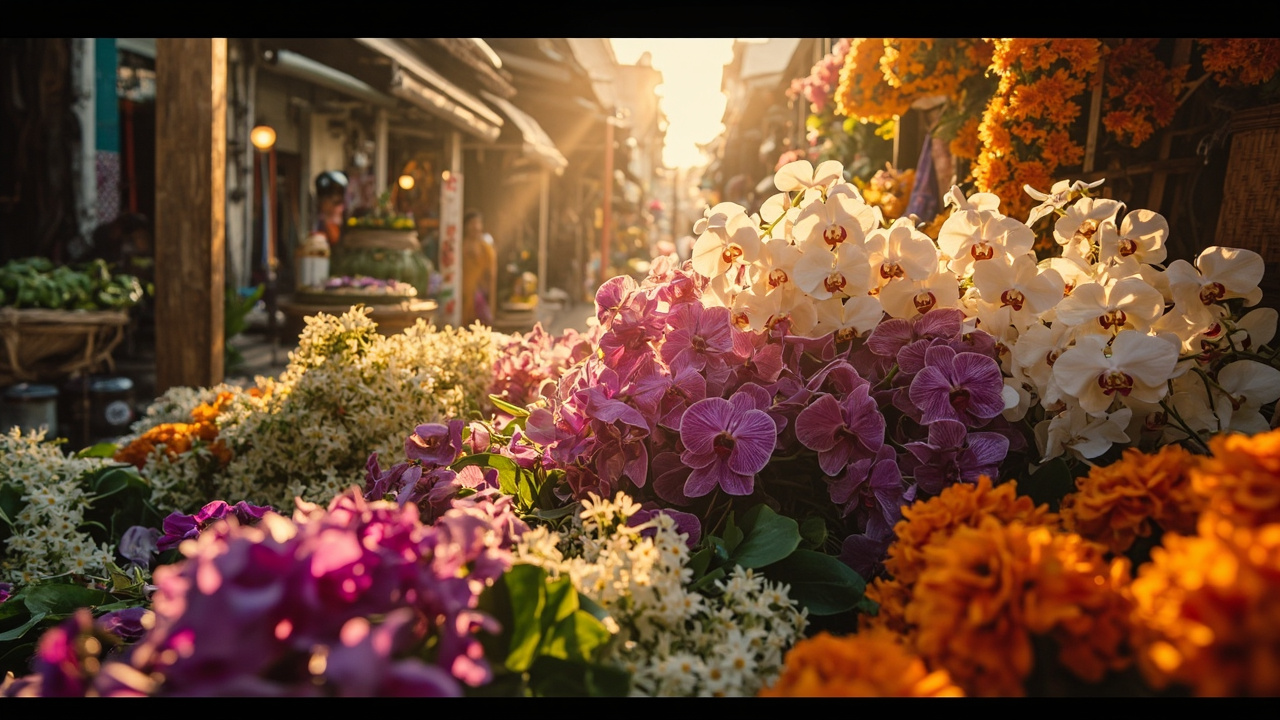
To avoid the crowds while using public transport to visit attractions in Chiang Mai, aim to arrive early in the day, right when places like temples or markets open. This usually means less traffic and a more relaxed experience.
• Weekdays are often quieter than weekends, especially at well-known spots. If you're planning to visit during a festival, keep in mind that public transport schedules might shift, and attractions will be busier.
• Also, consider hopping on public transport during off-peak hours, generally between 10 AM and 4 PM, to enjoy a smoother ride and easier access to your destinations.
Practical Chiang Mai planning note: Confirm current routes, fares, operating hours and pick-up arrangements before travelling. Build in extra time for traffic, weather and festival road closures, and keep the destination name or map pin available in Thai for drivers when practical. Confirm that any named venue still operates and check its present opening days, booking method and location directly.
• To avoid traffic and enjoy a smoother journey, aim to travel early in the morning or later in the afternoon.
• Peak hours typically occur between 8 AM and 9 AM, and again from 5 PM to 7 PM.
• If you're visiting tourist spots, consider leaving before 8 AM to beat the crowds, especially during weekends and holidays.
• For evening events or markets, plan your return trip after 8 PM when traffic tends to be lighter.
Practical Chiang Mai planning note: Confirm current routes, fares, operating hours and pick-up arrangements before travelling. Build in extra time for traffic, weather and festival road closures, and keep the destination name or map pin available in Thai for drivers when practical. Confirm that any named venue still operates and check its present opening days, booking method and location directly.
• The best times to visit elephant sanctuaries in Chiang Mai are during the cooler months from November to February.
• This period offers pleasant weather, making it more comfortable for both visitors and elephants.
• Additionally, visiting during the dry season helps to avoid muddy conditions that can occur in the rainy season from May to October.
• It's also advisable to check for any local festivals or events that may affect sanctuary operations or visitor availability.
Practical Chiang Mai planning note: Confirm current routes, fares, operating hours and pick-up arrangements before travelling. Build in extra time for traffic, weather and festival road closures, and keep the destination name or map pin available in Thai for drivers when practical.
If you're looking to avoid the hustle and bustle, it's generally best to shop during weekday mornings or early afternoons.
• Many locals tend to shop in the evenings and on weekends, so those times can get quite busy.
• An AI assistant from Own The Conversation - could help you determine peak shopping times and suggest quieter times to visit.
Practical Chiang Mai planning note: Confirm current routes, fares, operating hours and pick-up arrangements before travelling. Build in extra time for traffic, weather and festival road closures, and keep the destination name or map pin available in Thai for drivers when practical. Confirm that any named venue still operates and check its present opening days, booking method and location directly.
• The best times to visit scenic locations in Chiang Mai are during the cool season, from November to February, when the weather is pleasant and clear.
• This period is ideal for outdoor activities and enjoying the views without the heat.
• The rainy season, from June to October, can bring lush greenery but may limit accessibility to some areas due to rain.
• Early mornings and late afternoons generally provide the best light for photography and stunning vistas.
Practical Chiang Mai planning note: Confirm current routes, fares, operating hours and pick-up arrangements before travelling. Build in extra time for traffic, weather and festival road closures, and keep the destination name or map pin available in Thai for drivers when practical.
• Try to travel during off-peak hours, typically between 10 AM and 4 PM.
• Avoid early mornings and late afternoons when locals commute to and from work.
• Weekdays may be less crowded than weekends, especially in tourist areas.
• Public transport can be particularly busy during local festivals and holidays, so plan accordingly.
Practical Chiang Mai planning note: Confirm current routes, fares, operating hours and pick-up arrangements before travelling. Build in extra time for traffic, weather and festival road closures, and keep the destination name or map pin available in Thai for drivers when practical. Confirm that any named venue still operates and check its present opening days, booking method and location directly.
• The cool season from November to February is ideal for day trips, with pleasant temperatures and less humidity.
• The hot season, March to May, can be quite warm, so early morning trips are recommended.
• The rainy season from June to October may bring heavy showers, but the landscape is lush and beautiful during this time.
• Consider local festivals and events, as they can enhance your day trip experience.
• Always check the weather forecast before planning your trip, especially during the rainy season.
Practical Chiang Mai planning note: Confirm current routes, fares, operating hours and pick-up arrangements before travelling. Build in extra time for traffic, weather and festival road closures, and keep the destination name or map pin available in Thai for drivers when practical.
• The best times to visit natural landmarks near Chiang Mai are during the cooler months from November to February, when the weather is pleasant and ideal for outdoor activities.
• Early mornings and late afternoons provide the most favourable lighting for photography and stunning views.
• Additionally, visiting during weekdays can help avoid crowds, especially at popular sites like Doi Inthanon and Bua Thong Waterfalls.
• Always check the weather forecast before heading out, as rain can affect accessibility and visibility at certain locations.
Practical Chiang Mai planning note: Confirm current routes, fares, operating hours and pick-up arrangements before travelling. Build in extra time for traffic, weather and festival road closures, and keep the destination name or map pin available in Thai for drivers when practical.
• Visit during the shoulder seasons, such as late November to early December and late February to March, for fewer tourists.
• Avoid public holidays and major festivals, as these can attract large crowds.
• Early mornings or late afternoons are ideal for popular attractions to enjoy a quieter experience.
Practical Chiang Mai planning note: Confirm current routes, fares, operating hours and pick-up arrangements before travelling. Build in extra time for traffic, weather and festival road closures, and keep the destination name or map pin available in Thai for drivers when practical.
• The cool season from November to February is ideal for outdoor activities, with pleasant temperatures.
• The rainy season from June to October can affect some activities, but it can also be less crowded.
• Be mindful of the hot season from March to May when temperatures can be quite high.
• Always check the weather forecast before planning your adventure.
Practical Chiang Mai planning note: Confirm current routes, fares, operating hours and pick-up arrangements before travelling. Build in extra time for traffic, weather and festival road closures, and keep the destination name or map pin available in Thai for drivers when practical.
• The best times to visit Chiang Mai for sightseeing are during the cool and dry season, which runs from November to February.
• During these months, the weather is pleasant, making it ideal for exploring outdoor attractions and participating in festivals.
• The hot season in March to May can be quite warm, while the rainy season from June to October may bring heavy showers, so plan accordingly.
• Additionally, visiting during local festivals can enhance your experience with unique cultural events and celebrations.
Practical Chiang Mai planning note: Confirm current routes, fares, operating hours and pick-up arrangements before travelling. Build in extra time for traffic, weather and festival road closures, and keep the destination name or map pin available in Thai for drivers when practical.
• The best time to visit the mountain villages near Chiang Mai is during the cool season, which typically runs from November to February.
• During this period, the weather is pleasant with cooler temperatures, making it ideal for outdoor activities like hiking and exploring.
• The landscape is also lush and vibrant following the rainy season, enhancing the natural beauty of the area.
• Additionally, this time coincides with various local festivals, providing visitors with a chance to experience the rich culture of the mountain communities.
Practical Chiang Mai planning note: Confirm current routes, fares, operating hours and pick-up arrangements before travelling. Build in extra time for traffic, weather and festival road closures, and keep the destination name or map pin available in Thai for drivers when practical.