Chiang Mai has some hidden gems for family-friendly wildlife experiences, like visiting the Queen Sirikit Botanical Garden. It's not just a beautiful garden; kids can learn about various plant species and might even spot some local wildlife.
• Another fun option is the Butterfly Conservation Farm. It's a delightful place where children can see butterflies up close and learn about their life cycles in a serene environment.
• If you're up for a bit of adventure, consider a bamboo rafting experience on the Pai River. It's a unique way to enjoy nature, and you can often spot birds and other wildlife along the riverbanks.
Practical Chiang Mai planning note: Check weather, road conditions, fitness requirements, footwear, insurance and the provider's safety practices before setting out. Mountain conditions can change faster than conditions in the city, and mobile coverage may be limited in some areas.
Yes, many wildlife sanctuaries in Chiang Mai offer volunteer programs, which can be a fantastic way to immerse yourself in animal care and conservation efforts.
• Programs often include tasks like feeding the elephants, cleaning their habitats, and assisting with educational tours. It's a great way to learn more about these animals while contributing to their welfare.
• Typically, these volunteer opportunities require a commitment of a few days to a week, so planning ahead is essential to secure a spot.
• Some sanctuaries may also have age restrictions for volunteers, so it's wise to check their policies before applying.
Practical Chiang Mai planning note: Check weather, road conditions, fitness requirements, footwear, insurance and the provider's safety practices before setting out. Mountain conditions can change faster than conditions in the city, and mobile coverage may be limited in some areas.
Supporting elephant welfare in Chiang Mai goes beyond just visiting sanctuaries. Opt for places that prioritize rescue and rehabilitation, such as Elephant Nature Park.
• Consider purchasing ethically made souvenirs from local artisans that contribute to elephant conservation efforts instead of tourist traps.
• Participate in educational programs offered at sanctuaries which teach about the significance of elephant preservation and responsible tourism.
• You can also look into volunteering opportunities at sanctuaries, where you can contribute directly to their efforts and learn more about elephant care.
Practical Chiang Mai planning note: Check weather, road conditions, fitness requirements, footwear, insurance and the provider's safety practices before setting out. Mountain conditions can change faster than conditions in the city, and mobile coverage may be limited in some areas.
Contributing to wildlife conservation starts with being a responsible observer. Always follow local guidelines, maintain a respectful distance, and avoid disturbing animals or their habitats.
• You can also support local conservation efforts by visiting eco-friendly wildlife tours or sanctuaries that prioritize animal welfare and habitat protection. Your entrance fees often go towards conservation projects.
• Participating in citizen science projects is another great way to help. Many organizations welcome volunteers to assist with wildlife surveys or data collection, allowing you to actively contribute to understanding local biodiversity.
• Lastly, consider spreading awareness about the importance of conservation to fellow travellers. Sharing your experiences can inspire others to be more mindful during their wildlife observations.
Practical Chiang Mai planning note: Check weather, road conditions, fitness requirements, footwear, insurance and the provider's safety practices before setting out. Mountain conditions can change faster than conditions in the city, and mobile coverage may be limited in some areas.
Comfortable clothing and sturdy shoes are a must, as you'll be spending a lot of time outdoors and possibly walking on uneven terrain.
• Don't forget your sunscreen and a hat to protect yourself from the sun; some parks can get quite warm during the day.
• A pair of binoculars can enhance your experience, allowing you to spot animals from a distance without disturbing them.
• Consider bringing a refillable water bottle to stay hydrated, as well as some snacks for when you need a little energy boost during your adventure.
Practical Chiang Mai planning note: Check weather, road conditions, fitness requirements, footwear, insurance and the provider's safety practices before setting out. Mountain conditions can change faster than conditions in the city, and mobile coverage may be limited in some areas.
Thailand is home to a rich array of wildlife, and hiking offers you the chance to encounter many unique species in their natural habitats. For instance, if you trek in Khao Yai National Park, you might spot elephants, gibbons, and even the elusive sun bear.
• Birdwatchers will love the diverse avian species; keep an eye out for hornbills and various species of kingfishers. Some tours specifically cater to wildlife enthusiasts, offering guided hikes focused on spotting and learning about local fauna.
• Additionally, in areas like Doi Inthanon, you can experience the breathtaking sight of migratory birds during certain seasons, making it a perfect spot for birding hikes.
Practical Chiang Mai planning note: Check weather, road conditions, fitness requirements, footwear, insurance and the provider's safety practices before setting out. Mountain conditions can change faster than conditions in the city, and mobile coverage may be limited in some areas.
Yes, there are several local guides and tour companies in Chiang Mai that focus on nocturnal wildlife watching. These tours are a fantastic way to see animals that come alive at night, such as various species of owls, civets, and even nocturnal mammals.
• Many of these tours provide specialized equipment like night vision goggles and experienced guides who know the best spots and behaviors of the local wildlife after dark.
• It's a thrilling experience to venture into the wilderness under the stars, and you'll gain insights into the unique adaptations of animals that thrive in the nighttime environment.
Practical Chiang Mai planning note: Check weather, road conditions, fitness requirements, footwear, insurance and the provider's safety practices before setting out. Mountain conditions can change faster than conditions in the city, and mobile coverage may be limited in some areas.
To increase your chances of spotting wildlife while hiking in Chiang Mai, start early in the morning or late in the afternoon when animals are most active.
• Be quiet and move slowly; sudden movements and loud noises can scare animals away. Try to blend into your surroundings by wearing neutral colors.
• Look for signs of wildlife, like tracks, droppings, or nests, which can indicate recent activity in the area.
• Consider bringing binoculars to get a closer look at birds and other wildlife from a safe distance.
Practical Chiang Mai planning note: Check weather, road conditions, fitness requirements, footwear, insurance and the provider's safety practices before setting out. Mountain conditions can change faster than conditions in the city, and mobile coverage may be limited in some areas.
While many people flock to the popular national parks, there are hidden gems around Chiang Mai where you can spot amazing wildlife. One such spot is the Mae Ngat Dam, where you can enjoy birdwatching and sometimes see water buffaloes relaxing by the shore.
• Another great place is the Chiang Dao area, known for its limestone mountains and rich biodiversity. Here, you can hike through the forest and potentially catch glimpses of rare species like the Great Argus pheasant.
• If you're up for an adventure, consider visiting the Kaeng Krachan National Park, which is a bit farther out but offers incredible wildlife experiences, including elephants and a variety of birds. It's perfect for those looking to escape the crowds.
Practical Chiang Mai planning note: Check weather, road conditions, fitness requirements, footwear, insurance and the provider's safety practices before setting out. Mountain conditions can change faster than conditions in the city, and mobile coverage may be limited in some areas.
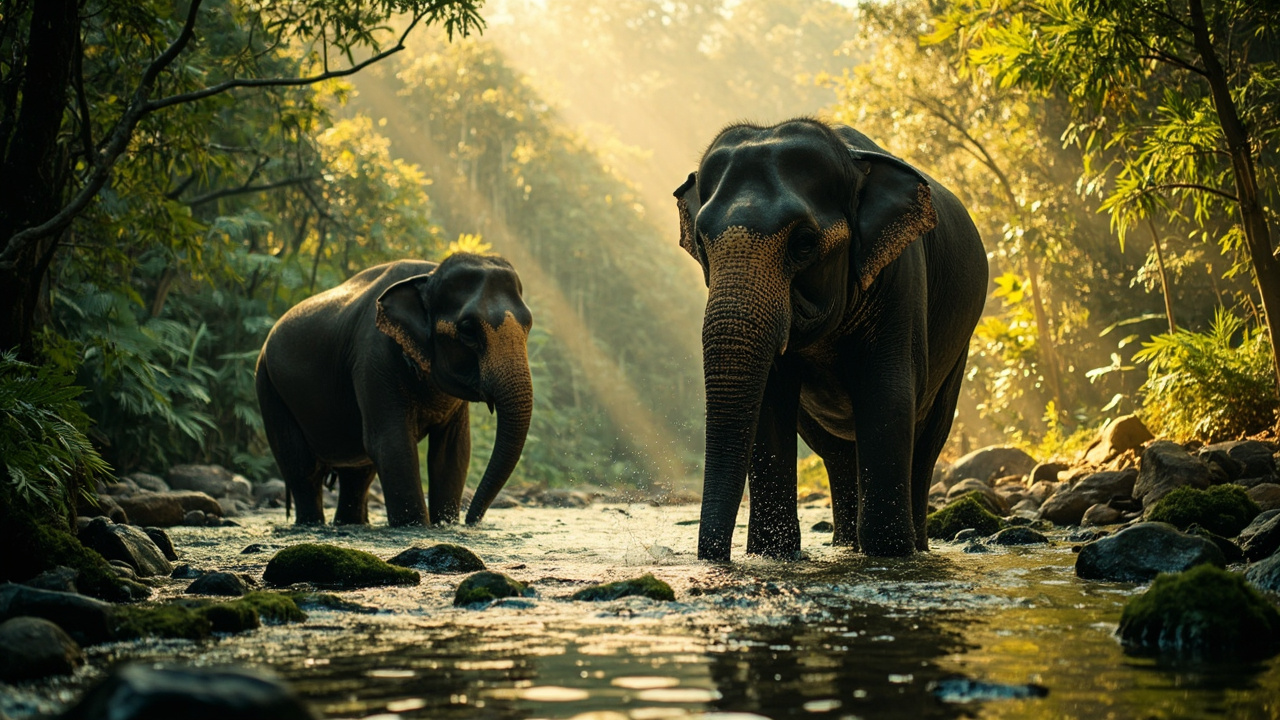
At elephant sanctuaries like the Elephant Nature Park, visitors can expect hands-on interactions that prioritize the elephants' well-being. You might get to feed them fresh fruits and vegetables, which is always a big hit!
• Many sanctuaries offer opportunities to bathe the elephants in natural pools, allowing you to connect with them while ensuring they feel comfortable and relaxed.
• You'll also likely participate in educational talks where staff share insights about elephant behavior, conservation efforts, and the importance of protecting these magnificent creatures.
• Keep in mind that activities vary by sanctuary, so it's a good idea to check in advance what specific interactions are available during your visit.
Practical Chiang Mai planning note: Check weather, road conditions, fitness requirements, footwear, insurance and the provider's safety practices before setting out. Mountain conditions can change faster than conditions in the city, and mobile coverage may be limited in some areas.
When photographing birds, it's essential to have a good zoom lens. A lens with at least 300mm will help you capture those distant shots without disturbing the birds.
• Early mornings are the best time for both bird activity and lighting. The soft morning light can really enhance your photos, so try to get out at dawn.
• Patience is key! Birds can be unpredictable, so take your time and stay quiet. Setting up in a spot and waiting for birds to come to you can often yield fantastic results.
• Lastly, practice good birding etiquette. This includes not getting too close and respecting their space, which helps you get better shots while ensuring the birds feel safe.
Practical Chiang Mai planning note: Check weather, road conditions, fitness requirements, footwear, insurance and the provider's safety practices before setting out. Mountain conditions can change faster than conditions in the city, and mobile coverage may be limited in some areas.
Before heading out, it's great to do a little research on the types of wildlife you might encounter, as this can enhance your overall experience.
• Packing essentials like binoculars, a camera, and plenty of water is vital. Don't forget snacks to keep your energy up while exploring!
• Wearing comfortable clothes and sturdy shoes is key, especially if you'll be trekking in parks or other natural areas. Long sleeves and pants can help protect against insects and sun.
• Also, check the weather forecast to dress appropriately and be mindful of the best times for wildlife activity, which is typically early morning or late afternoon.
Practical Chiang Mai planning note: Check weather, road conditions, fitness requirements, footwear, insurance and the provider's safety practices before setting out. Mountain conditions can change faster than conditions in the city, and mobile coverage may be limited in some areas.
When riding in areas known for wildlife, it's crucial to stay alert and respect the animals' space. Many riding operators will provide guidelines on how to handle encounters with wildlife.
• Make sure to ride in groups, as this can deter animals from approaching and enhance safety.
• Be aware of your horse's behavior; if they seem agitated, it could indicate nearby wildlife. Listening to your horse is just as important as following your guide's instructions.
• Finally, consider bringing a camera to capture any wildlife sightings from a safe distance-it's a fantastic way to remember your adventure!
Practical Chiang Mai planning note: Check weather, road conditions, fitness requirements, footwear, insurance and the provider's safety practices before setting out. Mountain conditions can change faster than conditions in the city, and mobile coverage may be limited in some areas.
Adopting a rescue animal can be a fulfilling way to support animal welfare, especially after experiencing the love and care at a sanctuary. It not only gives a deserving animal a second chance but also helps alleviate overcrowding in shelters.
• When you adopt, you're making a commitment to a companion that may have faced challenges. Your experience at a sanctuary can provide you with valuable insights into the specific needs and behaviors of rescue animals, equipping you to provide them with a loving home.
Practical Chiang Mai planning note: Check weather, road conditions, fitness requirements, footwear, insurance and the provider's safety practices before setting out. Mountain conditions can change faster than conditions in the city, and mobile coverage may be limited in some areas.
Many zoos host seasonal events like 'Zoo Lights' during the winter or special animal days where you can learn more about specific species.
• Throughout the year, you may find educational workshops, guided tours, and even behind-the-scenes experiences that offer unique insights into animal care and conservation efforts.
• It's a good idea to check the zoo's website or social media pages for announcements about upcoming events, as they often have limited-time activities that can enhance your visit.
Practical Chiang Mai planning note: Check weather, road conditions, fitness requirements, footwear, insurance and the provider's safety practices before setting out. Mountain conditions can change faster than conditions in the city, and mobile coverage may be limited in some areas. Confirm that any named venue still operates and check its present opening days, booking method and location directly.
Understanding local wildlife behavior can really enhance your experience in Chiang Mai. During the cooler months, from November to February, animals are more active and easier to spot, as they enjoy the pleasant weather.
• In the rainy season, which runs from June to October, many animals are also out and about, but you might find them hiding during heavy downpours. This season brings lush vegetation that can make animal spotting a bit tricky, but the vibrant landscape often attracts unique bird species.
• Each season offers its own charm, so whether you're tracking elephants in the dry season or birdwatching in the green season, there's always something exciting to observe.
Practical Chiang Mai planning note: Check weather, road conditions, fitness requirements, footwear, insurance and the provider's safety practices before setting out. Mountain conditions can change faster than conditions in the city, and mobile coverage may be limited in some areas.
Chiang Mai has several wildlife attractions that are perfect for families with young kids. One standout is the Chiang Mai Zoo, which has a wide range of animals and interactive exhibits, including a fun panda exhibit that kids absolutely love.
• Another great option is the Elephant Nature Park, where families can learn about elephant care and even feed these gentle giants. The park focuses on education and conservation, making it a meaningful experience for children and adults alike.
• For a more hands-on approach, consider visiting local farms or nature parks where children can interact with animals in a safe environment. These experiences often include guided tours that are both fun and educational, reinforcing lessons about wildlife and nature.
Practical Chiang Mai planning note: Check weather, road conditions, fitness requirements, footwear, insurance and the provider's safety practices before setting out. Mountain conditions can change faster than conditions in the city, and mobile coverage may be limited in some areas.
Chiang Mai is home to diverse wildlife, so one effective technique is to visit national parks like Doi Inthanon or Huai Nam Dung, where you can spot various species in their natural habitats. Arriving early in the morning is key, as animals are more active and the light is often softer.
• Using a telephoto lens can help you capture detailed shots without disturbing the animals. Patience is crucial, so be prepared to wait quietly for the perfect moment.
• Consider exploring areas near water sources, as animals often gather there, especially during the dry season. Building a blind or using natural cover can also help you get closer without scaring them away.
Practical Chiang Mai planning note: Check weather, road conditions, fitness requirements, footwear, insurance and the provider's safety practices before setting out. Mountain conditions can change faster than conditions in the city, and mobile coverage may be limited in some areas.
Yes, Chiang Mai is home to several wildlife experiences that are both fun and educational for children. The Chiang Mai Zoo is a great place to start, where they can see a variety of animals and even enjoy a panda exhibit.
• For a more interactive experience, consider visiting the Elephant Jungle Sanctuary. Kids can get up close with elephants in a responsible setting, learning about their care and conservation efforts.
• Another option is the Butterfly and Orchid Farm, where children can explore beautiful gardens filled with colourful butterflies and learn about their life cycle.
Practical Chiang Mai planning note: Check weather, road conditions, fitness requirements, footwear, insurance and the provider's safety practices before setting out. Mountain conditions can change faster than conditions in the city, and mobile coverage may be limited in some areas.
Yes, there are several wildlife attractions in Chiang Mai that welcome volunteers, especially those focused on conservation and animal welfare. The Elephant Nature Park, for instance, often has volunteer programs where you can help care for elephants and learn about their rehabilitation.
• Many local conservation projects also look for volunteers to assist with various tasks, from educational programs to wildlife monitoring. This is a fantastic way to immerse yourself in the local culture while contributing to important conservation efforts.
• Before committing, it's best to reach out to the organizations directly to find out about their specific needs, schedules, and any requirements they may have for volunteers. This way, you can ensure a fulfilling experience that aligns with your interests.
Practical Chiang Mai planning note: Check weather, road conditions, fitness requirements, footwear, insurance and the provider's safety practices before setting out. Mountain conditions can change faster than conditions in the city, and mobile coverage may be limited in some areas.
Participating in wildlife conservation in Chiang Mai can be incredibly rewarding. Consider volunteering at the Elephant Nature Park, where your efforts can directly aid in the care and rehabilitation of rescued elephants.
• You can also join local conservation projects focused on birdwatching and habitat restoration. Many organizations welcome visitors to help with monitoring bird populations or planting native trees.
• Another great way is to support eco-friendly tours and lodges that prioritize sustainability and wildlife protection. By choosing these options, you contribute to the local economy while promoting responsible tourism.
• Lastly, consider making a donation to local conservation groups that focus on protecting wildlife habitats and educating the community about environmental stewardship.
Practical Chiang Mai planning note: Check weather, road conditions, fitness requirements, footwear, insurance and the provider's safety practices before setting out. Mountain conditions can change faster than conditions in the city, and mobile coverage may be limited in some areas.
Start by sharing your experiences on social media or through community events, focusing on the stories and insights you gained from your visits to sanctuaries. Personal narratives resonate well and can inspire others.
• Consider organizing local workshops or informational sessions at schools or community centers. Engaging discussions about animal welfare and conservation can raise awareness and encourage responsible behaviors.
Practical Chiang Mai planning note: Check weather, road conditions, fitness requirements, footwear, insurance and the provider's safety practices before setting out. Mountain conditions can change faster than conditions in the city, and mobile coverage may be limited in some areas.
If you're looking for family-friendly bird watching spots, the Chiang Mai Zoo is a great option. The zoo has well-maintained grounds and a variety of birds in a more controlled environment, making it perfect for kids.
• Another fantastic spot is the Royal Park Rajapruek. This beautifully landscaped park not only has stunning gardens but also attracts various birds and offers a fun day out with plenty of space for kids to run around.
• Don't forget about the serene lakes around Huay Tung Tao. Here, families can enjoy picnicking while keeping an eye out for waterbirds, and the nearby cafes make for a nice break.
Practical Chiang Mai planning note: Check weather, road conditions, fitness requirements, footwear, insurance and the provider's safety practices before setting out. Mountain conditions can change faster than conditions in the city, and mobile coverage may be limited in some areas.
AI assistants can handle a high volume of inquiries, ensuring that visitors receive quick and accurate information about the organization's mission and activities.
• They can support multiple languages, making it easier for international tourists to engage and understand the conservation efforts.
• With AI assistance, organizations can streamline their communication, allowing staff to focus more on animal care and educational programs.
Practical Chiang Mai planning note: Check weather, road conditions, fitness requirements, footwear, insurance and the provider's safety practices before setting out. Mountain conditions can change faster than conditions in the city, and mobile coverage may be limited in some areas.
Stay informed about animal welfare issues and advocate for ethical treatment locally and globally.
• Consider making a financial contribution to the organizations you visited or supporting similar ones in your community.
• Share your experiences on social media to raise awareness about the importance of animal conservation and encourage others to get involved.
• You could also host events or talks to educate others about the conservation efforts you learned about during your travels.
Practical Chiang Mai planning note: Check weather, road conditions, fitness requirements, footwear, insurance and the provider's safety practices before setting out. Mountain conditions can change faster than conditions in the city, and mobile coverage may be limited in some areas.
Responsible wildlife tourism starts with researching facilities that prioritize animal welfare. Look for sanctuaries where you can observe animals in natural habitats rather than participating in activities like riding.
• Supporting local conservation programs can also be a rewarding way to engage with wildlife. Many organizations offer volunteer opportunities that allow you to contribute directly to animal protection efforts.
• Consider experiences that educate you about the local ecosystem and conservation efforts, which can deepen your understanding and appreciation of the wildlife.
Practical Chiang Mai planning note: Check weather, road conditions, fitness requirements, footwear, insurance and the provider's safety practices before setting out. Mountain conditions can change faster than conditions in the city, and mobile coverage may be limited in some areas.
To make the most of your wildlife watching adventure in Chiang Mai, plan your outings during the cooler parts of the day, like early morning or late afternoon, when animals are most active.
• Research and consider guided tours that focus on specific wildlife, as experienced guides can help you spot animals that you might miss on your own.
• Lastly, always be respectful of the animals and their habitats. Keep a safe distance, avoid making loud noises, and don't feed or disturb them.
Practical Chiang Mai planning note: Check weather, road conditions, fitness requirements, footwear, insurance and the provider's safety practices before setting out. Mountain conditions can change faster than conditions in the city, and mobile coverage may be limited in some areas.
It's essential to respect wildlife by keeping a safe distance and minimizing noise to avoid startling the birds.
• Using binoculars instead of trying to approach the birds closely is a good rule of thumb, ensuring you don't disrupt their natural behavior.
Practical Chiang Mai planning note: Check weather, road conditions, fitness requirements, footwear, insurance and the provider's safety practices before setting out. Mountain conditions can change faster than conditions in the city, and mobile coverage may be limited in some areas.
At many safari parks, you can go on guided tours in open vehicles, which offers a thrilling close-up view of animals in their natural habitats.
• Some parks provide opportunities for overnight stays in luxury tents, allowing visitors to experience the sounds of the wild at night.
• AI assistants can help you discover these unique offerings and book your adventure, making it easier to create unforgettable memories.
Practical Chiang Mai planning note: Check weather, road conditions, fitness requirements, footwear, insurance and the provider's safety practices before setting out. Mountain conditions can change faster than conditions in the city, and mobile coverage may be limited in some areas. Confirm that any named venue still operates and check its present opening days, booking method and location directly.
Always approach animals quietly and calmly, as sudden movements or loud noises can be distressing for them.
• Respect the boundaries set by the sanctuary or conservation area. If they ask you not to touch or feed the animals, it's important to follow those guidelines.
• Engage with the staff to learn more about the animals' stories and needs; they often provide valuable insights into how to interact respectfully.
Practical Chiang Mai planning note: Check weather, road conditions, fitness requirements, footwear, insurance and the provider's safety practices before setting out. Mountain conditions can change faster than conditions in the city, and mobile coverage may be limited in some areas.
Many wildlife sanctuaries design interactive educational programs tailored for school groups, focusing on animal conservation and environmental awareness.
• These programs often include guided tours, hands-on activities like feeding sessions, and talks from wildlife experts, making learning fun and engaging.
• Teachers can coordinate with sanctuaries to create custom itineraries that align with curriculum goals, enhancing the educational value of the visit.
Practical Chiang Mai planning note: Check weather, road conditions, fitness requirements, footwear, insurance and the provider's safety practices before setting out. Mountain conditions can change faster than conditions in the city, and mobile coverage may be limited in some areas.
Look for sanctuaries that prioritize ethical practices, ensuring animals are treated humanely and not subjected to exploitative shows or rides.
• Check for reviews and ratings from other visitors, as well as any affiliations with recognized wildlife organizations that vouch for their conservation efforts.
• Consider the types of interactions offered; some sanctuaries allow hands-on experiences while others focus on observation and education.
Practical Chiang Mai planning note: Check weather, road conditions, fitness requirements, footwear, insurance and the provider's safety practices before setting out. Mountain conditions can change faster than conditions in the city, and mobile coverage may be limited in some areas.
Wildlife activity can vary greatly with the seasons; for example, the dry season from November to February sees many more animals active as they gather around water sources.
• During the rainy season, some species may be less visible, but the lush environment supports diverse flora and fauna, creating unique opportunities for spotting different wildlife.
• Migratory birds can be seen in greater numbers during specific months, particularly from December to March, making it an exciting time for birdwatchers.
Practical Chiang Mai planning note: Check weather, road conditions, fitness requirements, footwear, insurance and the provider's safety practices before setting out. Mountain conditions can change faster than conditions in the city, and mobile coverage may be limited in some areas.
AI Assistants can provide instant responses to customer inquiries, offering information about the best wildlife watching spots and tour availability.
• They can also support multiple languages, making it easier for international visitors to access vital information and book experiences.
• By using AI from Own The Conversation - local businesses can enhance customer service efficiency, allowing staff to focus more on delivering memorable wildlife experiences.
Practical Chiang Mai planning note: Check weather, road conditions, fitness requirements, footwear, insurance and the provider's safety practices before setting out. Mountain conditions can change faster than conditions in the city, and mobile coverage may be limited in some areas. Confirm that any named venue still operates and check its present opening days, booking method and location directly.
For photographing wildlife, patience is key; spend time in one spot and wait for animals to come into view.
• Use a zoom lens to capture details without getting too close, which can scare off the animals.
• Early morning or late afternoon light is often best for photography, providing softer lighting and making animals more active.
• Remember to be respectful of nature; avoid flash photography, which can startle wildlife, and always maintain a safe distance.
Practical Chiang Mai planning note: Check weather, road conditions, fitness requirements, footwear, insurance and the provider's safety practices before setting out. Mountain conditions can change faster than conditions in the city, and mobile coverage may be limited in some areas.
• Understanding the ethical treatment of animals is crucial before visiting sanctuaries in Thailand.
• Look for facilities that prioritise animal welfare and rehabilitation over entertainment.
• Avoid places that offer activities like elephant rides or performances, as these often involve harmful training practices.
• Research the sanctuary's mission and values, and consider how they contribute to conservation efforts.
• Engaging with staff and asking questions during your visit can provide further insight into their ethical practices and the well-being of the animals.
Practical Chiang Mai planning note: Check weather, road conditions, fitness requirements, footwear, insurance and the provider's safety practices before setting out. Mountain conditions can change faster than conditions in the city, and mobile coverage may be limited in some areas.
Be cautious of wild animals, especially in national parks. Avoid feeding or approaching animals to prevent aggressive behaviour. Watch out for snakes, particularly in rural areas and during hikes. If you encounter a wild animal, back away slowly and do not provoke it. Consider joining guided tours for safer wildlife experiences.
Practical Chiang Mai planning note: Check weather, road conditions, fitness requirements, footwear, insurance and the provider's safety practices before setting out. Mountain conditions can change faster than conditions in the city, and mobile coverage may be limited in some areas.
It's essential to choose attractions that prioritize animal welfare and ethical practices, such as sanctuaries over zoos.
• Look for places that offer educational programs about wildlife conservation, as these tend to be more focused on the animals' well-being.
• You can also research visitor reviews and testimonials to get a sense of the attraction's commitment to ethical treatment.
Practical Chiang Mai planning note: Check weather, road conditions, fitness requirements, footwear, insurance and the provider's safety practices before setting out. Mountain conditions can change faster than conditions in the city, and mobile coverage may be limited in some areas.
• The best time for wildlife watching in Chiang Mai is during the cooler months, from November to February.
• During this period, many animals are more active and visible due to the pleasant weather.
• The rainy season from June to October can also be good, as it brings lush landscapes and attracts various species.
• Early mornings and late afternoons are ideal for spotting wildlife, as animals are more active during these times.
Practical Chiang Mai planning note: Check weather, road conditions, fitness requirements, footwear, insurance and the provider's safety practices before setting out. Mountain conditions can change faster than conditions in the city, and mobile coverage may be limited in some areas.
• Binoculars are essential for spotting birds from a distance.
• A bird guidebook or an app can help you identify different species.
• Comfortable clothing and sturdy walking shoes are recommended for hiking.
• A hat and sunscreen are advisable to protect against the sun.
• Bring water and snacks to stay hydrated and energised during your outing.
Practical Chiang Mai planning note: Check weather, road conditions, fitness requirements, footwear, insurance and the provider's safety practices before setting out. Mountain conditions can change faster than conditions in the city, and mobile coverage may be limited in some areas.
Many locals swear by the hidden gems like the Chiang Mai University's Botanical Gardens, where you can catch a glimpse of unique species in a serene environment.
• Another spot is the Mae Sa Waterfall area, which offers not only beautiful scenery but also a variety of birds in the lush surroundings, especially in the early morning.
• Don't overlook the rice paddies around San Kamphaeng; they're perfect for spotting waterbirds and migratory species, especially during the wet season.
Practical Chiang Mai planning note: Check weather, road conditions, fitness requirements, footwear, insurance and the provider's safety practices before setting out. Mountain conditions can change faster than conditions in the city, and mobile coverage may be limited in some areas.
• Yes, Chiang Mai has several seasonal wildlife events and migrations that are worth experiencing.
• The best time for birdwatching is typically from November to March when many migratory birds arrive in the region.
• Additionally, during the rainy season, from June to October, the lush landscapes attract various butterflies and insects, creating vibrant wildlife experiences.
• Keep an eye out for local festivals that may celebrate wildlife conservation, as they often include guided tours and educational activities about the local fauna.
Practical Chiang Mai planning note: Check weather, road conditions, fitness requirements, footwear, insurance and the provider's safety practices before setting out. Mountain conditions can change faster than conditions in the city, and mobile coverage may be limited in some areas.
• Wear comfortable, breathable clothing suitable for hiking and outdoor activities.
• Opt for neutral colours to blend into the surroundings and avoid startling wildlife.
• Sturdy walking shoes or hiking boots are recommended for uneven terrain.
• Consider a wide-brimmed hat and sunglasses for sun protection.
• Bring a light rain jacket, as weather can change quickly in the region.
Practical Chiang Mai planning note: Check weather, road conditions, fitness requirements, footwear, insurance and the provider's safety practices before setting out. Mountain conditions can change faster than conditions in the city, and mobile coverage may be limited in some areas.
The best times for wildlife viewing in Chiang Mai are:
- Early morning (6 AM - 9 AM) for active animals.
- Late afternoon (4 PM - 6 PM) when animals are more visible.
- Avoid midday heat (11 AM - 3 PM) as many animals rest.
- Consider the dry season (November to February) for clearer sightings.
Practical Chiang Mai planning note: Check weather, road conditions, fitness requirements, footwear, insurance and the provider's safety practices before setting out. Mountain conditions can change faster than conditions in the city, and mobile coverage may be limited in some areas. Confirm that any named venue still operates and check its present opening days, booking method and location directly.
AI assistants can significantly streamline operations at local animal shelters by handling common inquiries about adoption processes, available pets, and volunteering opportunities. This allows staff to focus on direct care for the animals.
• With multilingual capabilities, AI assistants can also help shelters reach a broader audience, ensuring that non-native speakers receive the information they need. This makes it easier for more people to engage with and support animal welfare efforts.
Practical Chiang Mai planning note: Check weather, road conditions, fitness requirements, footwear, insurance and the provider's safety practices before setting out. Mountain conditions can change faster than conditions in the city, and mobile coverage may be limited in some areas.
• Chiang Mai Zoo typically opens at 8:00 AM and closes at 5:00 PM.
• However, during peak tourist seasons, the zoo may extend its hours.
• It is advisable to check for any special events or night openings that may occur, especially if you are interested in visiting during the evening.
• Always confirm the current hours before your visit to ensure you have ample time to explore.
Practical Chiang Mai planning note: Check weather, road conditions, fitness requirements, footwear, insurance and the provider's safety practices before setting out. Mountain conditions can change faster than conditions in the city, and mobile coverage may be limited in some areas. Confirm that any named venue still operates and check its present opening days, booking method and location directly.
• Be cautious of your surroundings and avoid approaching wild animals, as they can be unpredictable.
• Keep food securely stored and avoid eating on trails to prevent attracting wildlife.
• If you encounter larger animals, such as elephants or bears, maintain a safe distance and back away slowly.
• Stay on marked trails to reduce the risk of unexpected wildlife encounters and to protect natural habitats.
• Consider joining guided hikes, as local guides can provide valuable insights on wildlife behaviour and safety.
Practical Chiang Mai planning note: Check weather, road conditions, fitness requirements, footwear, insurance and the provider's safety practices before setting out. Mountain conditions can change faster than conditions in the city, and mobile coverage may be limited in some areas.
Many zoos offer hands-on educational programs designed for kids, such as animal encounters, workshops, and guided tours.
• These programs often incorporate interactive elements, helping children learn about wildlife conservation and animal behavior in a fun way.
• Using an AI assistant can help parents find and register for these programs, ensuring they don't miss out on exciting learning opportunities.
Practical Chiang Mai planning note: Check weather, road conditions, fitness requirements, footwear, insurance and the provider's safety practices before setting out. Mountain conditions can change faster than conditions in the city, and mobile coverage may be limited in some areas.
• The best times to visit elephant sanctuaries in Chiang Mai are during the cooler months from November to February.
• This period offers pleasant weather, making it comfortable for both visitors and elephants.
• Additionally, visiting during the dry season allows for better access to outdoor activities and interactions.
• Avoiding the rainy season from June to October is advisable, as heavy rains can disrupt travel plans and activities at the sanctuaries.
Practical Chiang Mai planning note: Check weather, road conditions, fitness requirements, footwear, insurance and the provider's safety practices before setting out. Mountain conditions can change faster than conditions in the city, and mobile coverage may be limited in some areas.
Chiang Mai is a hub for various animal welfare initiatives, particularly focused on rescued animals. You can start by volunteering at local shelters or sanctuaries, such as the Elephant Nature Park or Lanna Animal Welfare, where they often welcome help from animal lovers.
• Another great way to get involved is by participating in community outreach programs focused on education about responsible pet ownership and animal welfare. Many organizations host workshops and events that encourage public participation.
Practical Chiang Mai planning note: Check weather, road conditions, fitness requirements, footwear, insurance and the provider's safety practices before setting out. Mountain conditions can change faster than conditions in the city, and mobile coverage may be limited in some areas.
It's important to check the park's schedule for feeding times and special events, as these often enhance the experience.
• Consider the weather and how it might affect animal activity; early mornings or late afternoons can be the best times to see animals at their most active.
• If you're traveling with a group, planning ahead with an AI assistant can help coordinate logistics like transportation and ticketing, making the day smoother.
Practical Chiang Mai planning note: Check weather, road conditions, fitness requirements, footwear, insurance and the provider's safety practices before setting out. Mountain conditions can change faster than conditions in the city, and mobile coverage may be limited in some areas.
Supporting local animal welfare businesses can be as simple as visiting them and spreading the word. Many cafes and shops donate a portion of their profits to animal rescue efforts, so choosing to shop there not only benefits you but also helps the animals.
• You can also consider making donations or participating in fundraising events hosted by these businesses, which often need community support to continue their crucial work.
Practical Chiang Mai planning note: Check weather, road conditions, fitness requirements, footwear, insurance and the provider's safety practices before setting out. Mountain conditions can change faster than conditions in the city, and mobile coverage may be limited in some areas.
• Yes, many tour operators offer guided wildlife tours in national parks and nature reserves.
• Tours may include trekking, birdwatching, and night safaris led by experienced guides.
• It's advisable to book in advance, especially during peak tourist seasons.
• Look for eco-friendly operators that prioritise conservation and animal welfare.
• Check reviews and ask about group sizes for a more personalised experience.
Practical Chiang Mai planning note: Check weather, road conditions, fitness requirements, footwear, insurance and the provider's safety practices before setting out. Mountain conditions can change faster than conditions in the city, and mobile coverage may be limited in some areas. Confirm that any named venue still operates and check its present opening days, booking method and location directly.
Wildlife photography can be thrilling, especially in places like Doi Inthanon or Huai Nam Dang. Patience is crucial; spend time observing animal behavior to anticipate great shots.
• Use a zoom lens to capture animals from a distance without disturbing them, and be aware of your surroundings to avoid startling them. Early mornings or late afternoons are generally the best times to spot wildlife.
Practical Chiang Mai planning note: Check weather, road conditions, fitness requirements, footwear, insurance and the provider's safety practices before setting out. Mountain conditions can change faster than conditions in the city, and mobile coverage may be limited in some areas.
Yes, Chiang Mai hosts various birdwatching events, particularly during the peak migration season from November to February.
• The annual Chiang Mai Bird Festival is a highlight, featuring guided tours, workshops, and opportunities to connect with fellow bird enthusiasts.
Practical Chiang Mai planning note: Check weather, road conditions, fitness requirements, footwear, insurance and the provider's safety practices before setting out. Mountain conditions can change faster than conditions in the city, and mobile coverage may be limited in some areas.
AI assistants can significantly enhance how wildlife tourism businesses in Chiang Mai engage with potential visitors. For instance, these assistants can provide instant answers about wildlife experiences, helping customers make informed decisions.
• They can also support multiple languages, ensuring a wider audience can access information about tours, ticketing, and conservation efforts, which is particularly useful in a tourist-rich area like Chiang Mai.
• Additionally, AI assistants can capture enquiries and streamline bookings, allowing businesses to focus more on providing memorable wildlife experiences.
Practical Chiang Mai planning note: Check weather, road conditions, fitness requirements, footwear, insurance and the provider's safety practices before setting out. Mountain conditions can change faster than conditions in the city, and mobile coverage may be limited in some areas.
Many wildlife attractions in Chiang Mai host seasonal events, especially around holidays or during the cooler months when more tourists are around.
• Events may include special educational programs, animal feeding sessions, or themed tours that highlight conservation efforts.
• It's a great idea to check their official websites or social media for announcements about these events before planning your visit.
Practical Chiang Mai planning note: Check weather, road conditions, fitness requirements, footwear, insurance and the provider's safety practices before setting out. Mountain conditions can change faster than conditions in the city, and mobile coverage may be limited in some areas.
• For wildlife photography in Chiang Mai, it is important to be patient and observant.
• Use a zoom lens to capture animals from a distance without disturbing them.
• Early mornings and late afternoons provide the best lighting for photos and more active wildlife.
• Always be respectful of animals and their habitats; avoid using flash and maintain a safe distance to ensure their comfort.
• Practicing quiet movements will help you get closer to your subjects without scaring them away.
Practical Chiang Mai planning note: Check weather, road conditions, fitness requirements, footwear, insurance and the provider's safety practices before setting out. Mountain conditions can change faster than conditions in the city, and mobile coverage may be limited in some areas.
A chance to see rescued animals in a natural setting Educational talks about wildlife conservation Opportunities for responsible animal interactions (e.g., feeding) Guided tours that highlight local flora and fauna Beautiful landscapes and tranquil environments for relaxation
Practical Chiang Mai planning note: Check weather, road conditions, fitness requirements, footwear, insurance and the provider's safety practices before setting out. Mountain conditions can change faster than conditions in the city, and mobile coverage may be limited in some areas.
Consider volunteering at local sanctuaries or rescue centers, where you can help care for animals and learn about their needs.
• Many organizations welcome donations or support through the purchase of ethical souvenirs, which directly benefits their programs.
• Participating in educational tours is another great way to engage, as they often provide insights into conservation challenges and successes.
Practical Chiang Mai planning note: Check weather, road conditions, fitness requirements, footwear, insurance and the provider's safety practices before setting out. Mountain conditions can change faster than conditions in the city, and mobile coverage may be limited in some areas.