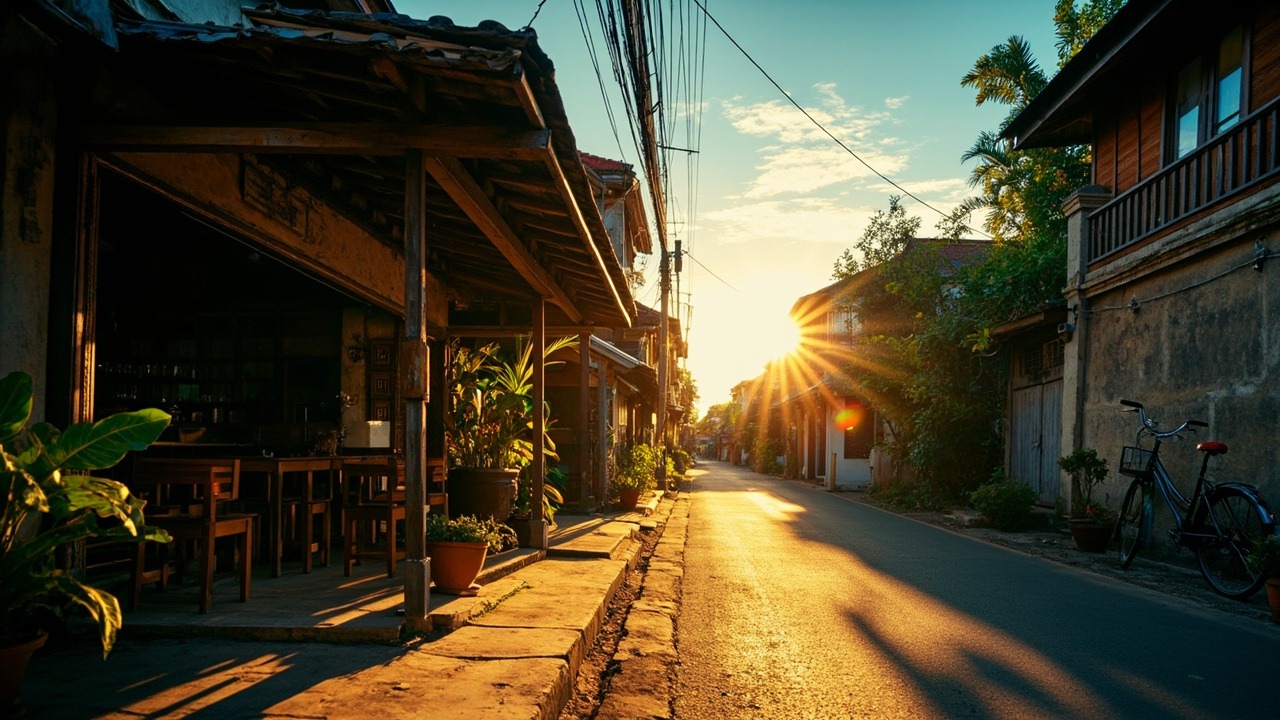
The mountainous terrain surrounding Chiang Mai creates microclimates that can lead to significant weather variations even within short distances.
• For example, areas closer to the mountains might experience cooler temperatures and more rainfall compared to the city center.
• This means if you're planning outdoor activities like hiking, checking the local weather for specific areas is crucial.
• Understanding these variations can enhance your visit, as you can dress appropriately and plan your day based on the expected conditions.
Practical Chiang Mai planning note: For weather and air quality, check a current forecast and a live air-quality source shortly before the activity. Northern Thailand can experience strong seasonal variation, and conditions differ between the city, foothills and higher mountains.
Chiang Mai's climate can significantly impact your eco-friendly travel plans. For instance, the hot season from March to May can lead to increased energy use for cooling, so choosing accommodations with sustainable practices, like solar power or energy-efficient air conditioning, can make a difference.
• During the rainy season, consider using local public transportation or bicycles instead of renting cars, as this not only reduces your carbon footprint but also allows you to enjoy the lush greenery that comes with the rains. Plus, the cooler, fresh air makes for a pleasant ride.
• Be mindful of local wildlife and ecosystems, especially during the Burning Season when air quality is affected. Supporting eco-friendly businesses or activities that promote conservation can enhance your travel experience while protecting the environment.
Practical Chiang Mai planning note: For weather and air quality, check a current forecast and a live air-quality source shortly before the activity. Northern Thailand can experience strong seasonal variation, and conditions differ between the city, foothills and higher mountains.
Packing for Chiang Mai can vary quite a bit depending on the season. In the cooler months from November to February, lightweight long sleeves and a light jacket are great for the cooler evenings. Don't forget comfortable shoes for exploring!
• During the hot season from March to May, breathable fabrics and sunscreen are essential. If you're visiting during the rainy season from June to October, a waterproof jacket and an umbrella will be your best friends. Always pack a refillable water bottle to stay hydrated!
Practical Chiang Mai planning note: For weather and air quality, check a current forecast and a live air-quality source shortly before the activity. Northern Thailand can experience strong seasonal variation, and conditions differ between the city, foothills and higher mountains.
Climate change is increasingly affecting weather patterns in Chiang Mai, leading to unpredictable shifts in temperature and rainfall.
• For instance, the rainy season may experience heavier downpours and longer rainy spells, while the dry season could see intensified heat.
• This variability can impact travel plans, so it's wise to stay updated on forecasts and be prepared for sudden changes.
Practical Chiang Mai planning note: For weather and air quality, check a current forecast and a live air-quality source shortly before the activity. Northern Thailand can experience strong seasonal variation, and conditions differ between the city, foothills and higher mountains.
Chiang Mai's weather can be unpredictable, so it's wise to keep an eye on local forecasts leading up to and during your trip. Download a reliable weather app to stay updated on any sudden changes.
• Pack versatile clothing that can be layered; mornings and evenings can be cool, while midday may be quite warm. A lightweight rain jacket is also a must, especially if you're visiting during the rainy season.
• Consider having a flexible itinerary that allows you to switch between indoor and outdoor activities based on the weather. Museums, cafes, and local markets are great alternatives if you encounter unexpected rain.
Practical Chiang Mai planning note: For weather and air quality, check a current forecast and a live air-quality source shortly before the activity. Northern Thailand can experience strong seasonal variation, and conditions differ between the city, foothills and higher mountains.
One of the best ways to support local communities is to engage in eco-tourism. By choosing local guides and sustainable travel options, you're directly contributing to their livelihoods.
• Another effective way is to participate in or donate to local initiatives focused on environmental conservation and climate resilience. Many organizations work on reforestation and sustainable farming projects that welcome community involvement.
• You can also shop at local markets to support farmers who practice sustainable agriculture. This not only helps the local economy but encourages environmentally friendly practices.
• Lastly, attending community events or workshops on climate awareness can help raise funds and provide education on how climate change impacts the area.
Practical Chiang Mai planning note: For weather and air quality, check a current forecast and a live air-quality source shortly before the activity. Northern Thailand can experience strong seasonal variation, and conditions differ between the city, foothills and higher mountains.
As you transition from the hot season, which peaks around April, into the rainy season by June, you can expect a shift in temperatures and humidity. Days will still be quite warm, often reaching around 32°C (90°F), but the evenings may start to feel a bit cooler as rain becomes more frequent.
• With the onset of the rainy season, expect afternoon showers to become common, usually short but quite intense. This means it's wise to carry an umbrella or raincoat, especially if you plan on outdoor activities.
• The humidity will rise, making it feel stickier than before, so light, breathable clothing is a must. However, the rain will also bring a refreshing change to the air and make the landscape incredibly lush and vibrant.
Practical Chiang Mai planning note: For weather and air quality, check a current forecast and a live air-quality source shortly before the activity. Northern Thailand can experience strong seasonal variation, and conditions differ between the city, foothills and higher mountains.
Local schools are increasingly incorporating environmental education into their curriculums, teaching students about sustainability, conservation, and the importance of protecting local ecosystems.
• Some schools even engage in hands-on projects, such as tree planting and waste management initiatives, which not only educate students but also positively impact the community.
• Additionally, schools often host events or workshops that invite parents and community members to participate, fostering a culture of awareness and responsibility around climate issues.
• By empowering the younger generation with knowledge and practical skills, schools are preparing future leaders to tackle climate challenges effectively.
Practical Chiang Mai planning note: For weather and air quality, check a current forecast and a live air-quality source shortly before the activity. Northern Thailand can experience strong seasonal variation, and conditions differ between the city, foothills and higher mountains.
Humidity plays a significant role in the weather here, especially during the rainy season. When humidity levels are high, it can feel much warmer than the actual temperature, leading to a sticky and uncomfortable atmosphere.
• Conversely, lower humidity can make hot days feel more bearable. It's important to keep an eye on humidity forecasts, as they can influence your plans for outdoor activities. Staying hydrated is crucial, as high humidity can lead to faster dehydration.
Practical Chiang Mai planning note: For weather and air quality, check a current forecast and a live air-quality source shortly before the activity. Northern Thailand can experience strong seasonal variation, and conditions differ between the city, foothills and higher mountains.
Staying updated on the weather is key, especially in a place like Chiang Mai where conditions can shift quickly. One effective way is to use weather apps that provide real-time alerts.
• These apps can send notifications about sudden changes, like unexpected rain or temperature drops, allowing you to plan your day accordingly and avoid getting caught off guard.
• For local businesses, integrating an AI Assistant can help provide these updates directly to customers. This way, they can receive timely weather information without needing to search for it.
Practical Chiang Mai planning note: For weather and air quality, check a current forecast and a live air-quality source shortly before the activity. Northern Thailand can experience strong seasonal variation, and conditions differ between the city, foothills and higher mountains.
When visiting Chiang Mai, it's good to know about events like the burning season, which typically occurs from February to April. During this time, air quality may decline due to agricultural fires.
• Additionally, be prepared for the rainy season from June to October, when you might experience heavy downpours, especially in August. Activities can be planned around these weather patterns.
Practical Chiang Mai planning note: For weather and air quality, check a current forecast and a live air-quality source shortly before the activity. Northern Thailand can experience strong seasonal variation, and conditions differ between the city, foothills and higher mountains.
It's always wise to keep an eye on the weather, especially in a place like Chiang Mai where conditions can shift quickly.
• Using AI Assistants from Own The Conversation - can help provide real-time weather updates right when you need them. This means you can get alerts about sudden rain or temperature drops, allowing you to adjust your plans accordingly.
Practical Chiang Mai planning note: For weather and air quality, check a current forecast and a live air-quality source shortly before the activity. Northern Thailand can experience strong seasonal variation, and conditions differ between the city, foothills and higher mountains. Confirm that any named venue still operates and check its present opening days, booking method and location directly.
It's wise to stay informed about the weather patterns, especially during the hot season from March to May, when temperatures can soar above 35°C (95°F).
• Make sure to have plenty of water on hand and wear light, breathable clothing to keep cool.
• In case of unexpected rain, having an umbrella or raincoat is a good idea, especially during the rainy season from June to October.
• Consider creating a flexible plan for your daily activities, allowing for indoor options if the weather turns unfavorable.
Practical Chiang Mai planning note: For weather and air quality, check a current forecast and a live air-quality source shortly before the activity. Northern Thailand can experience strong seasonal variation, and conditions differ between the city, foothills and higher mountains.
During the rainy season, it's essential to check the weather forecast before heading out. Heavy rains can lead to flooding in certain areas, which might disrupt public transport schedules.
• If you're using songthaews or tuk-tuks, be prepared for potential delays and consider leaving earlier for your appointments. It's also wise to have an umbrella or raincoat handy.
• Lastly, roads may become slippery, so if you're renting a scooter, exercise extra caution. If you're unfamiliar with the area, opting for a taxi or ride-hailing service might be safer.
Practical Chiang Mai planning note: For weather and air quality, check a current forecast and a live air-quality source shortly before the activity. Northern Thailand can experience strong seasonal variation, and conditions differ between the city, foothills and higher mountains.
• The best time to visit Chiang Mai is during the cool season, from November to February.
• Temperatures are mild, ranging from 15 to 30 degrees Celsius, making it comfortable for outdoor activities.
• The rainy season lasts from June to October; however, visiting during this time can offer fewer crowds and lush scenery.
• Be aware that the air quality can decline in March and April due to agricultural burning.
Practical Chiang Mai planning note: For weather and air quality, check a current forecast and a live air-quality source shortly before the activity. Northern Thailand can experience strong seasonal variation, and conditions differ between the city, foothills and higher mountains.
• Chiang Mai experiences a tropical climate with three distinct seasons: hot, rainy, and cool.
• The cool season from November to February is the most pleasant, with temperatures ranging from 15 to 28 degrees Celsius.
• The hot season from March to June can be quite warm, reaching up to 40 degrees Celsius.
• The rainy season from July to October brings heavy rainfall, particularly in August and September, so it's advisable to pack an umbrella or raincoat during this time.
• Always check the weather forecast before your trip to plan accordingly.
Practical Chiang Mai planning note: For weather and air quality, check a current forecast and a live air-quality source shortly before the activity. Northern Thailand can experience strong seasonal variation, and conditions differ between the city, foothills and higher mountains.
• When visiting Chiang Mai during this time of year, it's advisable to pack lightweight, breathable clothing as temperatures can be quite warm during the day.
• Include a light jacket or sweater for cooler evenings, especially if you plan to be out after sunset.
• Don't forget to bring a hat, sunglasses, and sunscreen to protect yourself from the sun.
• An umbrella or a light raincoat may also be useful, as occasional rain showers can occur.
Practical Chiang Mai planning note: For weather and air quality, check a current forecast and a live air-quality source shortly before the activity. Northern Thailand can experience strong seasonal variation, and conditions differ between the city, foothills and higher mountains.
• Humidity levels in Chiang Mai can be quite high, especially from March to May.
• During the rainy season, from June to October, humidity increases significantly, making it feel warmer.
• The cooler months from November to February have lower humidity, making the weather more comfortable for outdoor activities.
Practical Chiang Mai planning note: For weather and air quality, check a current forecast and a live air-quality source shortly before the activity. Northern Thailand can experience strong seasonal variation, and conditions differ between the city, foothills and higher mountains.
• Lightweight, breathable clothing is recommended due to the warm temperatures.
• A waterproof jacket or poncho will help keep you dry during sudden rain showers.
• Comfortable shoes that can handle wet conditions are advisable.
• Consider bringing an umbrella for added protection against rain.
• Layering is a good idea, as temperatures can vary throughout the day.
Practical Chiang Mai planning note: For weather and air quality, check a current forecast and a live air-quality source shortly before the activity. Northern Thailand can experience strong seasonal variation, and conditions differ between the city, foothills and higher mountains.
Visiting Chiang Mai from November to February means you'll experience cooler temperatures, especially in the mornings and evenings. It's best to pack layers like light jackets or sweaters to keep comfortable.
• During the day, however, it can still be warm, so light clothing is also a good idea. This way, you're prepared for both chilly and warm moments throughout the day.
Practical Chiang Mai planning note: For weather and air quality, check a current forecast and a live air-quality source shortly before the activity. Northern Thailand can experience strong seasonal variation, and conditions differ between the city, foothills and higher mountains.
The best times to visit Chiang Mai for pleasant weather are:
- **November to February**: Cool and dry season, ideal for outdoor activities.
- **March to May**: Warm weather, but can be quite hot; good for exploring early in the day.
- **June to October**: Rainy season; expect occasional downpours, but the landscape is lush and green.
Practical Chiang Mai planning note: For weather and air quality, check a current forecast and a live air-quality source shortly before the activity. Northern Thailand can experience strong seasonal variation, and conditions differ between the city, foothills and higher mountains.
Increased temperatures can lead to more air pollution. Burning of agricultural waste in surrounding areas contributes to smog. Tourists may experience reduced visibility and respiratory issues during the haze season. It's advisable to check air quality indices before visiting, especially from February to April.
Practical Chiang Mai planning note: For weather and air quality, check a current forecast and a live air-quality source shortly before the activity. Northern Thailand can experience strong seasonal variation, and conditions differ between the city, foothills and higher mountains.
• Light, breathable clothing for daytime temperatures.
• A warm layer or jacket for cooler evenings, especially from November to February.
• An umbrella or raincoat if visiting during the rainy season (June to October).
• Comfortable shoes for walking and exploring the city.
• Sunscreen and a hat to protect against the sun during the day.
Practical Chiang Mai planning note: For weather and air quality, check a current forecast and a live air-quality source shortly before the activity. Northern Thailand can experience strong seasonal variation, and conditions differ between the city, foothills and higher mountains.
• Air quality can vary significantly, particularly during the Burning Season from February to April.
• During this period, smoke from agricultural burning can lead to higher pollution levels; consider wearing a mask if you are sensitive.
• Check local air quality forecasts regularly to plan your outdoor activities accordingly.
• Staying indoors during high pollution days and engaging in indoor attractions is advisable.
• Ensure you have access to clean drinking water and stay hydrated, as poor air quality can affect health.
Practical Chiang Mai planning note: For weather and air quality, check a current forecast and a live air-quality source shortly before the activity. Northern Thailand can experience strong seasonal variation, and conditions differ between the city, foothills and higher mountains.
The best time to visit Chiang Mai for pleasant weather is:
- November to February
- Cool temperatures (15-25°C)
- Minimal rainfall
- Ideal for outdoor activities and sightseeing Weather, Seasons and Air Quality can be approached by first deciding the location, time available, transport and level of activity that suits the trip. Use the options in the question as a starting point, then compare current provider information and recent local conditions before making a booking.
Practical Chiang Mai planning note: For weather and air quality, check a current forecast and a live air-quality source shortly before the activity. Northern Thailand can experience strong seasonal variation, and conditions differ between the city, foothills and higher mountains.
• In Chiang Mai, temperatures can vary significantly between day and night.
• During the day, especially in the cooler months, temperatures can reach around 27°C to 30°C.
• However, at night, it can drop to around 15°C or even lower, particularly from November to February.
• This variation means that layering your clothing is advisable to stay comfortable throughout the day and evening.
Practical Chiang Mai planning note: For weather and air quality, check a current forecast and a live air-quality source shortly before the activity. Northern Thailand can experience strong seasonal variation, and conditions differ between the city, foothills and higher mountains.
AI assistants can provide real-time updates on climate conditions, helping customers make informed decisions, such as whether to reschedule outdoor events.
• By offering multilingual support, AI can assist diverse customer bases in understanding climate issues that might affect their experiences, ensuring everyone feels included.
• Utilizing AI to streamline responses to frequently asked questions saves time for staff, allowing them to focus on more complex customer needs while still delivering timely information.
Practical Chiang Mai planning note: For weather and air quality, check a current forecast and a live air-quality source shortly before the activity. Northern Thailand can experience strong seasonal variation, and conditions differ between the city, foothills and higher mountains.
• Humidity levels in Chiang Mai can vary significantly throughout the year, often peaking during the rainy season.
• High humidity can make warm temperatures feel even hotter, so it's important to stay hydrated and take breaks in shaded areas when exploring.
• During the cooler months, humidity levels are generally lower, making the weather feel more comfortable.
• Being aware of humidity levels can help you dress appropriately and plan your activities for maximum enjoyment.
Practical Chiang Mai planning note: For weather and air quality, check a current forecast and a live air-quality source shortly before the activity. Northern Thailand can experience strong seasonal variation, and conditions differ between the city, foothills and higher mountains.
As temperatures rise and weather patterns shift, certain attractions may become less appealing, leading to a decline in visitor numbers during peak heat months.
• However, increased awareness of climate issues can also lead to a rise in eco-tourism, where travellers seek sustainable and environmentally friendly experiences.
• Businesses can prepare by adapting their offerings, such as providing outdoor experiences during cooler times of the day or promoting indoor activities that are unaffected by weather changes.
Practical Chiang Mai planning note: For weather and air quality, check a current forecast and a live air-quality source shortly before the activity. Northern Thailand can experience strong seasonal variation, and conditions differ between the city, foothills and higher mountains.
Event planners need to anticipate climate variability by having contingency plans. This includes securing indoor venues as backups for outdoor events, especially during the rainy season when unexpected showers can occur.
• Using AI Assistants can streamline communication with attendees about weather forecasts and any changes to event locations or timings, ensuring everyone stays informed and can adjust their plans accordingly.
Practical Chiang Mai planning note: For weather and air quality, check a current forecast and a live air-quality source shortly before the activity. Northern Thailand can experience strong seasonal variation, and conditions differ between the city, foothills and higher mountains.
• During the haze season, it's important to limit outdoor activities, especially during peak pollution hours.
• Wearing a mask designed for air filtration can help protect your lungs.
• Staying indoors with windows closed can reduce exposure to smoke.
• Keeping hydrated and using air purifiers if available can also improve indoor air quality.
• Additionally, consider planning your itinerary to focus on indoor attractions or visiting during times when the air quality is better.
Practical Chiang Mai planning note: For weather and air quality, check a current forecast and a live air-quality source shortly before the activity. Northern Thailand can experience strong seasonal variation, and conditions differ between the city, foothills and higher mountains.
• Chiang Mai experiences a tropical climate with three main seasons: the cool season from November to February, the hot season from March to May, and the rainy season from June to October.
• During the cool season, temperatures are mild and pleasant, making it ideal for outdoor activities.
• The hot season can be quite warm, often exceeding 35°C, while the rainy season brings frequent showers, especially in the afternoons.
• Understanding these patterns can help you plan your visit accordingly.
Practical Chiang Mai planning note: For weather and air quality, check a current forecast and a live air-quality source shortly before the activity. Northern Thailand can experience strong seasonal variation, and conditions differ between the city, foothills and higher mountains.
• When visiting Chiang Mai, it's important to pack according to the season.
• If you're travelling between November and February, include light layers, as temperatures can drop in the evenings.
• From March to May, pack light clothing suitable for hot weather, as temperatures can soar.
• During the rainy season from June to October, be sure to bring a waterproof jacket and comfortable shoes that can handle wet conditions.
Practical Chiang Mai planning note: For weather and air quality, check a current forecast and a live air-quality source shortly before the activity. Northern Thailand can experience strong seasonal variation, and conditions differ between the city, foothills and higher mountains.
The rainy season in Chiang Mai typically runs from May to October, bringing refreshing showers that can cool down the temperatures, but it can also affect your plans for outdoor adventures.
• While the rain can be unpredictable, it often comes in short bursts, so early morning or late afternoon might still be great times for hiking or exploring temples. Just be prepared with a light rain jacket!
• Many locals and expats appreciate the lush greenery that springs up during this time, making the landscapes around Chiang Mai quite beautiful. If you're into photography, this is a fantastic season for vibrant shots.
• However, some outdoor tours, especially those involving trekking or river activities, may be limited during heavy rain days. Always check local weather forecasts before heading out.
Practical Chiang Mai planning note: For weather and air quality, check a current forecast and a live air-quality source shortly before the activity. Northern Thailand can experience strong seasonal variation, and conditions differ between the city, foothills and higher mountains.
• Sunny days are ideal for sightseeing, hiking, and visiting outdoor markets.
• Be cautious of high temperatures; plan outdoor activities in the morning or late afternoon.
• During the rainy season, check forecasts for potential thunderstorms before heading out.
• Some attractions may close during heavy rain, so it's wise to have a backup plan.
• Staying hydrated is crucial, especially during hot days.
Practical Chiang Mai planning note: For weather and air quality, check a current forecast and a live air-quality source shortly before the activity. Northern Thailand can experience strong seasonal variation, and conditions differ between the city, foothills and higher mountains.
It's generally warm and humid in Chiang Mai during this time!
- Temperature: 25-30°C (77-86°F) during the day.
- Nights: Cooler temperatures.
- Rain: Occasional showers; lighter than peak rainy season.
- Advice: Bring light rain gear for your trip!
- Great for exploring temples and the city!
Practical Chiang Mai planning note: For weather and air quality, check a current forecast and a live air-quality source shortly before the activity. Northern Thailand can experience strong seasonal variation, and conditions differ between the city, foothills and higher mountains.
The rainy season in Chiang Mai (June to October) can impact travel plans:
- Frequent afternoon showers
- Possible flooding in some areas
- Lower tourist crowds
- Lush green scenery and lower accommodation rates
Practical Chiang Mai planning note: For weather and air quality, check a current forecast and a live air-quality source shortly before the activity. Northern Thailand can experience strong seasonal variation, and conditions differ between the city, foothills and higher mountains.
Packing tips for different seasons in Chiang Mai:
- Cool season (Nov-Feb): Light layers, a warm jacket for evenings
- Hot season (Mar-May): Light, breathable clothing, sun protection
- Rainy season (Jun-Oct): Waterproof gear, quick-dry clothes, sturdy shoes
Practical Chiang Mai planning note: For weather and air quality, check a current forecast and a live air-quality source shortly before the activity. Northern Thailand can experience strong seasonal variation, and conditions differ between the city, foothills and higher mountains.
It's essential to dress appropriately for wet conditions-opt for waterproof gear and ensure your riding boots have good grip to prevent slipping.
• Choose riding trails that are safe and less prone to flooding or mudslides, and always check with your riding operator about trail conditions before heading out.
• Riding in the rain can be a unique experience, but staying safe and comfortable should always be your priority!
Practical Chiang Mai planning note: For weather and air quality, check a current forecast and a live air-quality source shortly before the activity. Northern Thailand can experience strong seasonal variation, and conditions differ between the city, foothills and higher mountains.
Different neighborhoods in Chiang Mai can experience slight climate variations due to their elevation and location. For instance, areas like Doi Suthep are cooler and may have more rain than the Old City.
• Nimman tends to be warmer, especially in the evenings, which is something to keep in mind when planning where to stay or dine out at night.
• Overall, while the climate is fairly consistent throughout the city, small differences can affect your outdoor plans, so checking the local weather for your chosen area is a good idea.
Practical Chiang Mai planning note: For weather and air quality, check a current forecast and a live air-quality source shortly before the activity. Northern Thailand can experience strong seasonal variation, and conditions differ between the city, foothills and higher mountains.
When planning an outdoor event, it's crucial to check the forecast not just for the day, but also for the days leading up to it. Look for patterns like humidity and chances of rain.
• You might want to have a backup plan, such as a tent or an indoor venue just in case the weather doesn't cooperate. It's always better to be prepared!
• Using an AI Assistant could be really beneficial for local businesses hosting events. They can provide guests with up-to-date weather information and even potential rescheduling options if needed.
Practical Chiang Mai planning note: For weather and air quality, check a current forecast and a live air-quality source shortly before the activity. Northern Thailand can experience strong seasonal variation, and conditions differ between the city, foothills and higher mountains.
To truly enjoy Chiang Mai's climate no matter the season, it's essential to stay hydrated, especially during the hot months from March to May. Always carry a water bottle with you.
• Dress in layers! The evenings can be quite cool, particularly from November to February, so having a light jacket on hand will keep you comfortable during night strolls.
• Lastly, be mindful of the air quality, especially during the Burning Season. If you're sensitive to pollution, consider limiting outdoor activities on high pollution days.
Practical Chiang Mai planning note: For weather and air quality, check a current forecast and a live air-quality source shortly before the activity. Northern Thailand can experience strong seasonal variation, and conditions differ between the city, foothills and higher mountains.
During the dry season, especially from February to April, air quality can be a concern due to agricultural burning.
• Monitoring local air quality reports can help you choose the best days for outdoor activities.
• It's advisable to have a mask handy if you're sensitive to pollution or plan to be outside for extended periods.
Practical Chiang Mai planning note: For weather and air quality, check a current forecast and a live air-quality source shortly before the activity. Northern Thailand can experience strong seasonal variation, and conditions differ between the city, foothills and higher mountains.
When planning a day trip in the rainy season, always check the weather forecast beforehand. While showers can be unpredictable, they often clear up quickly, leaving behind a lush landscape.
• It's wise to pack waterproof gear and plan indoor activities as a backup, like visiting museums or local workshops, in case of heavy rain. Many day trips can be flexible, allowing you to adjust your plans on the go.
Practical Chiang Mai planning note: For weather and air quality, check a current forecast and a live air-quality source shortly before the activity. Northern Thailand can experience strong seasonal variation, and conditions differ between the city, foothills and higher mountains.
The hot season in Chiang Mai runs from March to May and can be quite intense, with temperatures often exceeding 35°C (95°F). Staying cool becomes essential!
• Start your day early with outdoor activities before the heat kicks in. Most locals head to markets or temples in the morning, enjoying the cooler air.
• Hydration is key, so keep a water bottle handy and try to find shaded areas or air-conditioned spaces during the hottest parts of the day.
• Consider exploring some of the city's beautiful coffee shops or wellness centers that offer cooling treatments. A refreshing Thai iced tea can also do wonders!
• Lastly, remember that many attractions, like Doi Suthep, are higher in elevation and can be cooler, so they make a great getaway from the heat.
Practical Chiang Mai planning note: For weather and air quality, check a current forecast and a live air-quality source shortly before the activity. Northern Thailand can experience strong seasonal variation, and conditions differ between the city, foothills and higher mountains.
The rainy season, which runs from June to October, brings frequent afternoon showers. While it can put a damper on some outdoor plans, it also means that the surrounding nature is lush and vibrant.
• If you're visiting during this time, it's wise to plan your activities for the mornings when rain is less likely. And don't forget to carry a lightweight rain jacket or an umbrella to stay dry!
• Some travellers love this season for fewer crowds and lower accommodation prices, making it a great time for those looking to explore without the hustle and bustle.
Practical Chiang Mai planning note: For weather and air quality, check a current forecast and a live air-quality source shortly before the activity. Northern Thailand can experience strong seasonal variation, and conditions differ between the city, foothills and higher mountains.
• The best times to visit are typically from November to January, when air quality is generally better.
• Avoid visiting during the haze season, which usually peaks from February to April.
• Check local air quality forecasts before planning your trip for the most up-to-date information.
• Consider visiting during the rainy season from May to October, when air quality often improves.
Practical Chiang Mai planning note: For weather and air quality, check a current forecast and a live air-quality source shortly before the activity. Northern Thailand can experience strong seasonal variation, and conditions differ between the city, foothills and higher mountains.
The best time to visit Chiang Mai for pleasant weather is:
- **November to February**: Cool and dry season
- **Temperatures**: Ranges from 15°C to 28°C (59°F to 82°F)
- **Activities**: Ideal for outdoor exploration and festivals
- **Crowds**: Popular with tourists, so expect busier attractions
- **Tip**: Book accommodations in advance for better options!
Practical Chiang Mai planning note: For weather and air quality, check a current forecast and a live air-quality source shortly before the activity. Northern Thailand can experience strong seasonal variation, and conditions differ between the city, foothills and higher mountains. Confirm that any named venue still operates and check its present opening days, booking method and location directly.
The best time to visit Chiang Mai for pleasant weather is:
- **November to February**: Cool and dry season.
- Average temperatures range from 15°C to 28°C.
- Ideal for outdoor activities and sightseeing.
- Avoid the rainy season (June to October) for a more enjoyable experience.
Practical Chiang Mai planning note: For weather and air quality, check a current forecast and a live air-quality source shortly before the activity. Northern Thailand can experience strong seasonal variation, and conditions differ between the city, foothills and higher mountains.
The ideal time to visit Chiang Mai is from November to February. Weather, Seasons and Air Quality can be approached by first deciding the location, time available, transport and level of activity that suits the trip. Use the options in the question as a starting point, then compare current provider information and recent local conditions before making a booking.
Practical Chiang Mai planning note: For weather and air quality, check a current forecast and a live air-quality source shortly before the activity. Northern Thailand can experience strong seasonal variation, and conditions differ between the city, foothills and higher mountains.
Air quality in Chiang Mai can vary significantly, especially during the burning season from February to April, when agricultural burning occurs nearby.
• During this period, the air can become quite hazy and unhealthy, particularly in March.
• The best air quality is usually from November to January, making it a great time for outdoor activities.
Practical Chiang Mai planning note: For weather and air quality, check a current forecast and a live air-quality source shortly before the activity. Northern Thailand can experience strong seasonal variation, and conditions differ between the city, foothills and higher mountains.
The hot season runs from March to May, and temperatures can soar, often reaching highs of 35°C (95°F) or more during the day.
• Evenings can be warm, with temperatures staying around 25°C (77°F), so it's wise to stay hydrated and plan outdoor activities for the cooler early mornings or late afternoons.
• Finding shade or visiting air-conditioned cafes can be a lifesaver during this time, especially if you're not used to such heat.
Practical Chiang Mai planning note: For weather and air quality, check a current forecast and a live air-quality source shortly before the activity. Northern Thailand can experience strong seasonal variation, and conditions differ between the city, foothills and higher mountains.
• Chiang Mai is located at an altitude of approximately 310 metres above sea level, which contributes to its milder climate compared to lower-lying areas in Thailand.
• The higher elevation results in cooler temperatures, especially during the night and early morning.
• Visitors may find that the temperature can drop significantly after sunset, so it's wise to bring a light jacket when exploring in the evenings.
• Additionally, the altitude can affect humidity levels, making the air feel fresher and less oppressive than in more humid coastal regions.
Practical Chiang Mai planning note: For weather and air quality, check a current forecast and a live air-quality source shortly before the activity. Northern Thailand can experience strong seasonal variation, and conditions differ between the city, foothills and higher mountains.
The rainy season in Chiang Mai runs from June to October, with the heaviest rains usually falling in August and September.
• You can expect afternoon downpours, but mornings are often sunny and pleasant, so planning outdoor activities earlier in the day can be a good strategy.
• While the rain can be intense, it also cools the air and rejuvenates the lush landscapes, making it a beautiful time to explore the countryside.
Practical Chiang Mai planning note: For weather and air quality, check a current forecast and a live air-quality source shortly before the activity. Northern Thailand can experience strong seasonal variation, and conditions differ between the city, foothills and higher mountains.
The rainy season in Chiang Mai runs from June to October, with the heaviest rains usually in August and September.
• While you can expect daily showers, they often come in short bursts, leaving plenty of time for exploration in between.
• It's a great time to enjoy the lush greenery, but be prepared with waterproof gear and plan indoor activities just in case.
Practical Chiang Mai planning note: For weather and air quality, check a current forecast and a live air-quality source shortly before the activity. Northern Thailand can experience strong seasonal variation, and conditions differ between the city, foothills and higher mountains.
To check accurate weather forecasts for Chiang Mai, consider these reliable resources:
1. Thai Meteorological Department: The official source for weather information in Thailand.
2. Weather Websites: Sites like Weather.com and AccuWeather provide detailed forecasts.
3. Google Weather: Easily accessible by searching "Chiang Mai weather" on Google.
4. Weather Apps: Download apps for real-time updates and notifications.
5. Local News Outlets: Check regional news websites for daily updates.
6. Social Media: Follow local news channels for timely updates.
7. Travel Forums and Community Groups: Join groups on platforms like Reddit or Facebook for shared weather updates.
These resources will help you stay informed about the weather in Chiang Mai.
Practical Chiang Mai planning note: For weather and air quality, check a current forecast and a live air-quality source shortly before the activity. Northern Thailand can experience strong seasonal variation, and conditions differ between the city, foothills and higher mountains.