Yes, Chiang Mai has a variety of seasonal water activities that vary throughout the year. During the rainy season, which typically runs from May to October, river levels rise, making it ideal for white-water rafting adventures, especially on the Mae Taeng River.
• In the dry season, the weather is perfect for kayaking and paddleboarding on calmer waters, like Huay Tung Tao Lake. It's a popular time for family-friendly activities, including picnics and swimming.
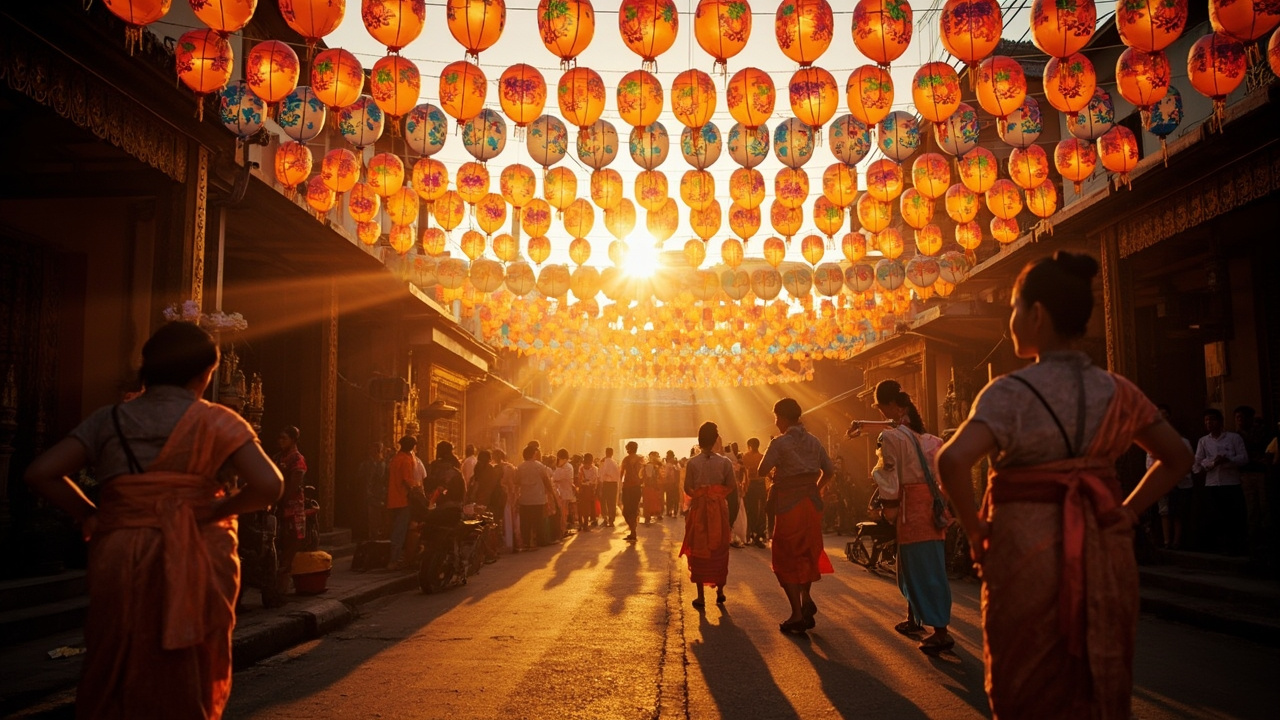
• You might also catch local festivals, such as the Songkran Festival in mid-April, which involves water throwing and community celebrations. It's a unique cultural experience that combines fun and tradition, so plan your visit accordingly!
Practical Chiang Mai planning note: Expect wet streets, crowds and temporary traffic changes during Songkran. Protect electronics, use clean water, respect people who do not wish to participate and check the current programme for cultural processions and ceremonies.
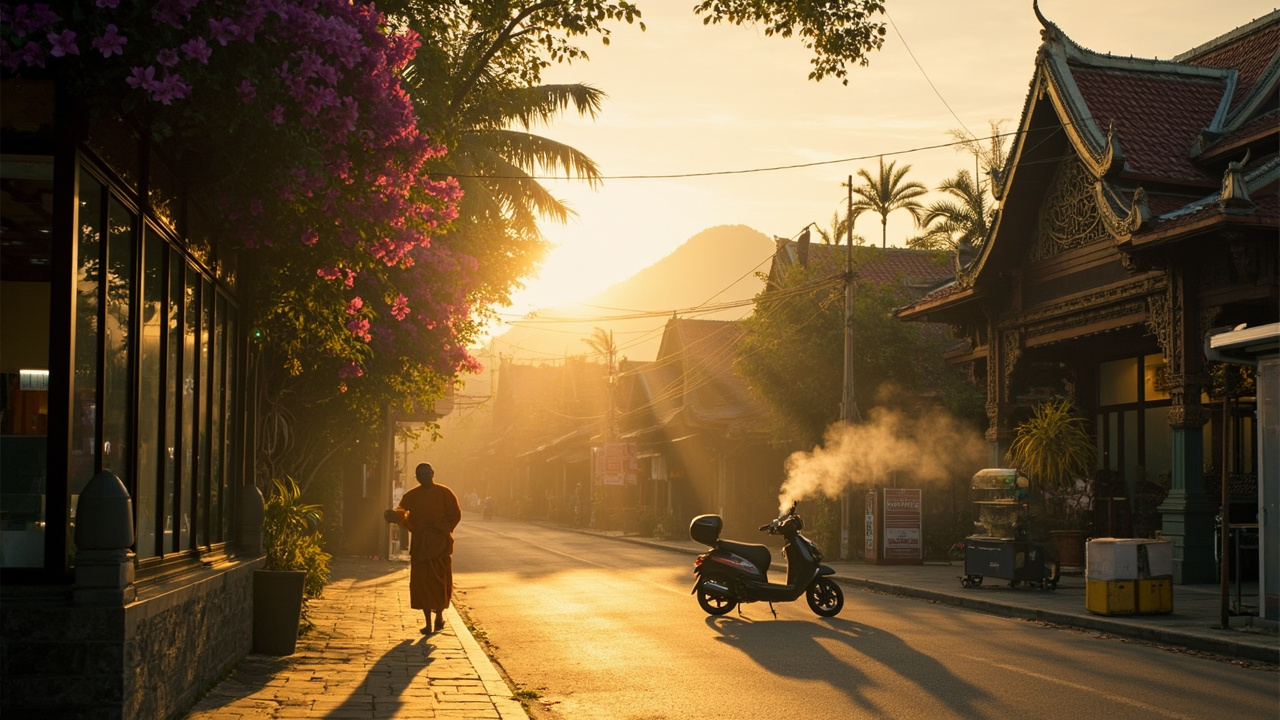
Chiang Mai is rich in spiritual practices, and one fascinating ritual to observe is the daily alms giving. Early each morning, monks walk through the streets receiving food offerings from locals, creating a serene and communal atmosphere that reflects deep respect for Buddhist traditions.
• Another unique practice is the 'Buddha Bathing' ceremony, typically held during Songkran. Participants gently pour scented water over Buddha statues, symbolizing purification and the washing away of sins. It's beautiful to see how the community comes together during this time, blending joy with spiritual reflection.
• You might also encounter meditation sessions open to the public at various temples, where both locals and visitors gather to practice mindfulness. These sessions often welcome newcomers, providing a wonderful opportunity to experience local spirituality firsthand.
Practical Chiang Mai planning note: Expect wet streets, crowds and temporary traffic changes during Songkran. Protect electronics, use clean water, respect people who do not wish to participate and check the current programme for cultural processions and ceremonies.
Songkran is not just about water fights; it's also a time for cultural and religious observances. Many locals visit temples to offer prayers and make merit during this period.
• Visitors should be prepared for a lively atmosphere where water is splashed everywhere, so it's best to wear clothes that can get wet and leave valuables at home.
• Additionally, joining in the respectful practices, like pouring water over Buddha statues, can enhance your experience and help you connect with the local traditions.
Practical Chiang Mai planning note: Expect wet streets, crowds and temporary traffic changes during Songkran. Protect electronics, use clean water, respect people who do not wish to participate and check the current programme for cultural processions and ceremonies.
Yes, Chiang Mai hosts several vibrant food festivals throughout the year. The Chiang Mai Food Festival, usually held in the cooler months, is a fantastic way to sample local dishes and learn about Northern Thai culinary traditions.
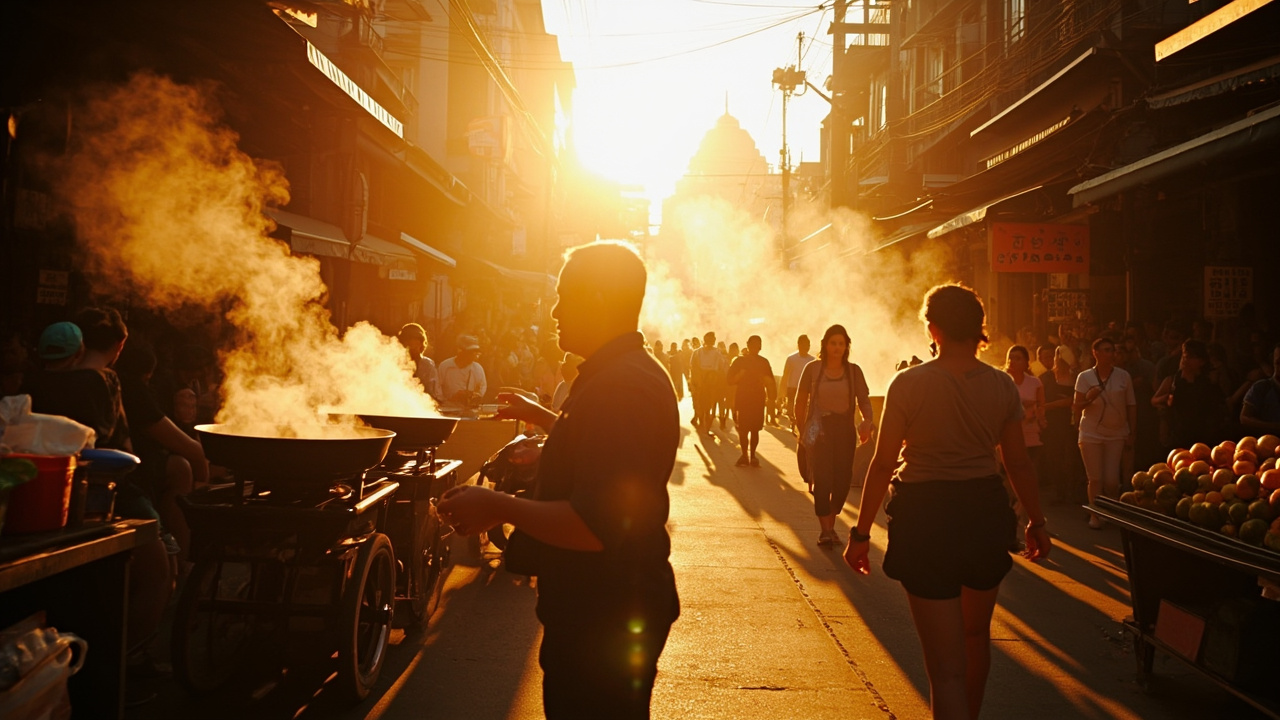
• Another notable event is the Songkran Festival, where food stalls pop up all over the city, offering a variety of traditional dishes to celebrate Thai New Year. It's a lively atmosphere filled with culture, music, and, of course, delicious food.
• These festivals not only highlight the region's culinary offerings but also bring together the community, making them a must-visit for anyone looking to immerse themselves in the local food culture.
Practical Chiang Mai planning note: Expect wet streets, crowds and temporary traffic changes during Songkran. Protect electronics, use clean water, respect people who do not wish to participate and check the current programme for cultural processions and ceremonies.
• Chiang Mai hosts several traditional craft festivals throughout the year, showcasing local artisans and their work.
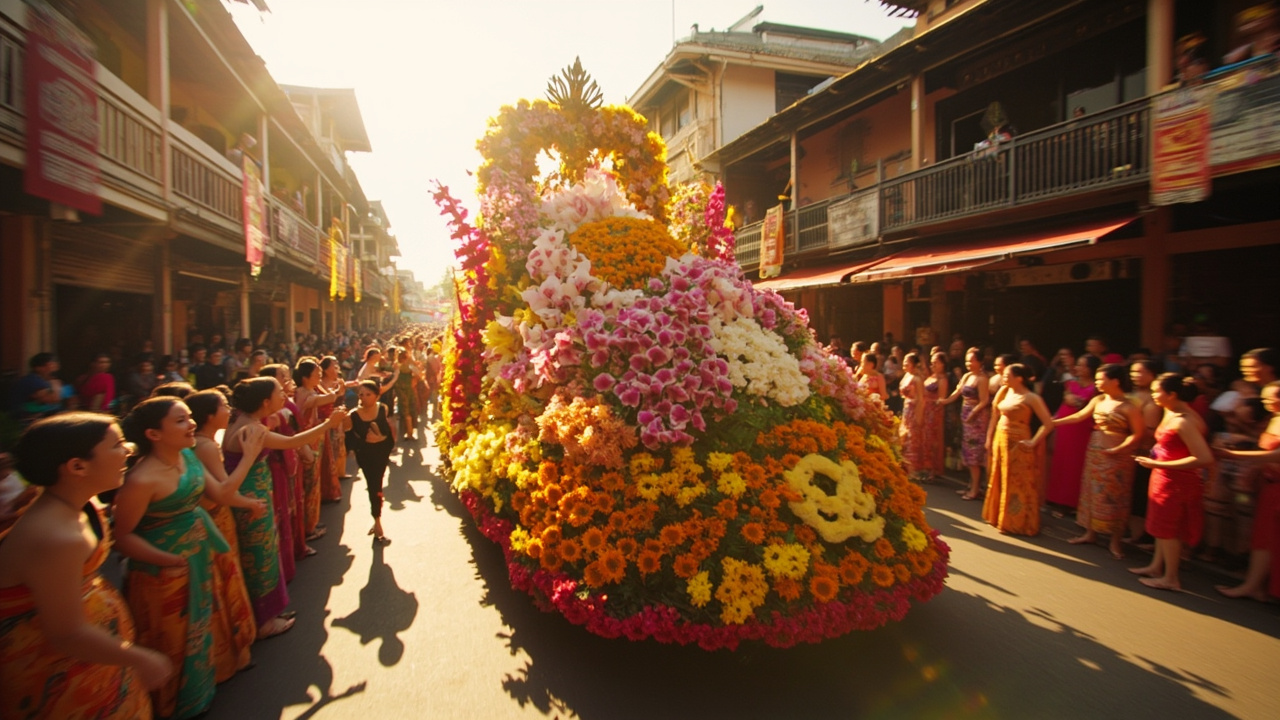
• One notable event is the Chiang Mai Flower Festival, which features various crafts alongside floral displays.
• The Handicraft Fair is another excellent opportunity to see a wide range of traditional crafts, including textiles and pottery.
• Additionally, the Songkran Festival often includes craft demonstrations and local artisan markets, allowing visitors to engage with the culture.
• Attending these festivals provides a vibrant atmosphere and a chance to purchase unique handcrafted items directly from artisans.
Practical Chiang Mai planning note: Expect wet streets, crowds and temporary traffic changes during Songkran. Protect electronics, use clean water, respect people who do not wish to participate and check the current programme for cultural processions and ceremonies.
Absolutely! One of the most popular events is the Chiang Mai Food Festival, usually held in December. It celebrates local cuisine with stalls set up by famous restaurants and street vendors offering their best dishes.
• Another must-visit is the Sunday Walking Street Market, which transforms Ratchadamnoen Road into a vibrant food hub every week. You can sample local snacks, desserts, and traditional dishes while enjoying live music and performances.
• If you're in town during Songkran in April, you'll also find a plethora of food options available as part of the festivities, with many vendors setting up shop to cater to the celebratory crowds.
Practical Chiang Mai planning note: Expect wet streets, crowds and temporary traffic changes during Songkran. Protect electronics, use clean water, respect people who do not wish to participate and check the current programme for cultural processions and ceremonies.
The agricultural burning season, which usually peaks from February to April, can significantly affect air quality in Chiang Mai, leading to hazy conditions and increased pollution levels.
• If you're planning to visit during this time, it's wise to keep an eye on air quality indexes and be prepared for potentially uncomfortable breathing conditions, especially for those with respiratory issues.
• Wearing a mask when going outdoors can help, and it's advisable to schedule more indoor activities during peak haze days. Many cafes and coworking spaces offer good air filtration systems.
• That said, the vibrant local culture and festivals like Songkran occur during this season, so you might consider mixing outdoor experiences with indoor ones to enjoy the best of both worlds.
Practical Chiang Mai planning note: Expect wet streets, crowds and temporary traffic changes during Songkran. Protect electronics, use clean water, respect people who do not wish to participate and check the current programme for cultural processions and ceremonies.
• The best time to visit is during the cooler months from November to February when many art festivals take place.
• The International Chiang Mai Art Festival usually occurs in early December, showcasing a variety of artists and performances.
• The Sunday Walking Street Market is vibrant all year round, but more lively during the peak tourist season.
• Check local listings for pop-up exhibitions and events, as they can happen throughout the year.
• Consider visiting during specific festival dates like Songkran in April for cultural performances and traditional art displays.
Practical Chiang Mai planning note: Expect wet streets, crowds and temporary traffic changes during Songkran. Protect electronics, use clean water, respect people who do not wish to participate and check the current programme for cultural processions and ceremonies.
Songkran, celebrated in mid-April, marks the Thai New Year and is a time for renewal and cleansing. The festival has deep cultural roots, symbolizing the washing away of sins and bad luck.
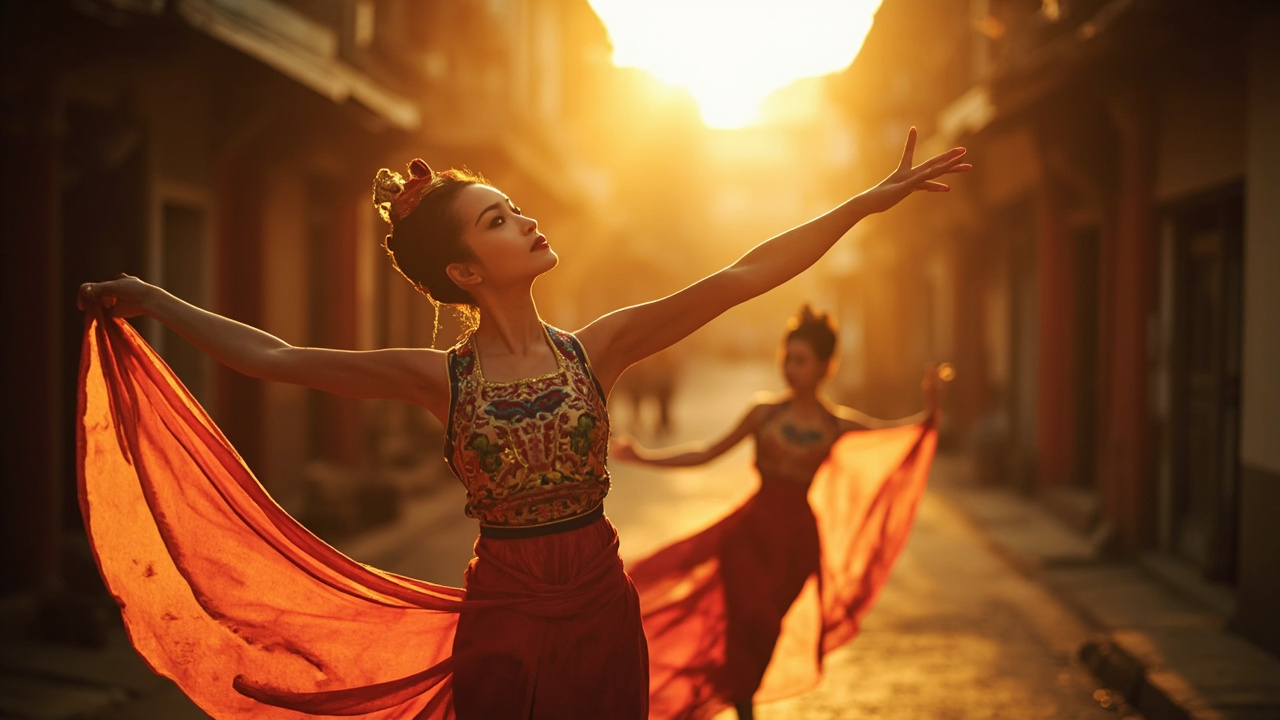
• In Chiang Mai, Songkran is particularly vibrant, featuring large water fights in the streets, where locals and visitors alike splash water on each other as a way to celebrate. The atmosphere is filled with joy, music, and traditional Thai dance performances.
• Beyond the water festivities, many locals visit temples to make merit, pay respects to their ancestors, and participate in traditional ceremonies, which adds a spiritual layer to the celebration.
Practical Chiang Mai planning note: Expect wet streets, crowds and temporary traffic changes during Songkran. Protect electronics, use clean water, respect people who do not wish to participate and check the current programme for cultural processions and ceremonies.
Absolutely! During the summer months, you'll want to try 'Khanom Krok', a coconut pudding that's particularly refreshing when it's warm outside. Vendors often sell them at local markets.
• In rainy season, look for 'Bua Loy', which are delightful rice balls served in warm coconut milk. It's comforting and perfect for those cooler, rainy nights.
• And if you're here during Songkran, don't miss out on 'Mango Sticky Rice' as it's a popular treat during the festival to celebrate the new year.
Practical Chiang Mai planning note: Expect wet streets, crowds and temporary traffic changes during Songkran. Protect electronics, use clean water, respect people who do not wish to participate and check the current programme for cultural processions and ceremonies.
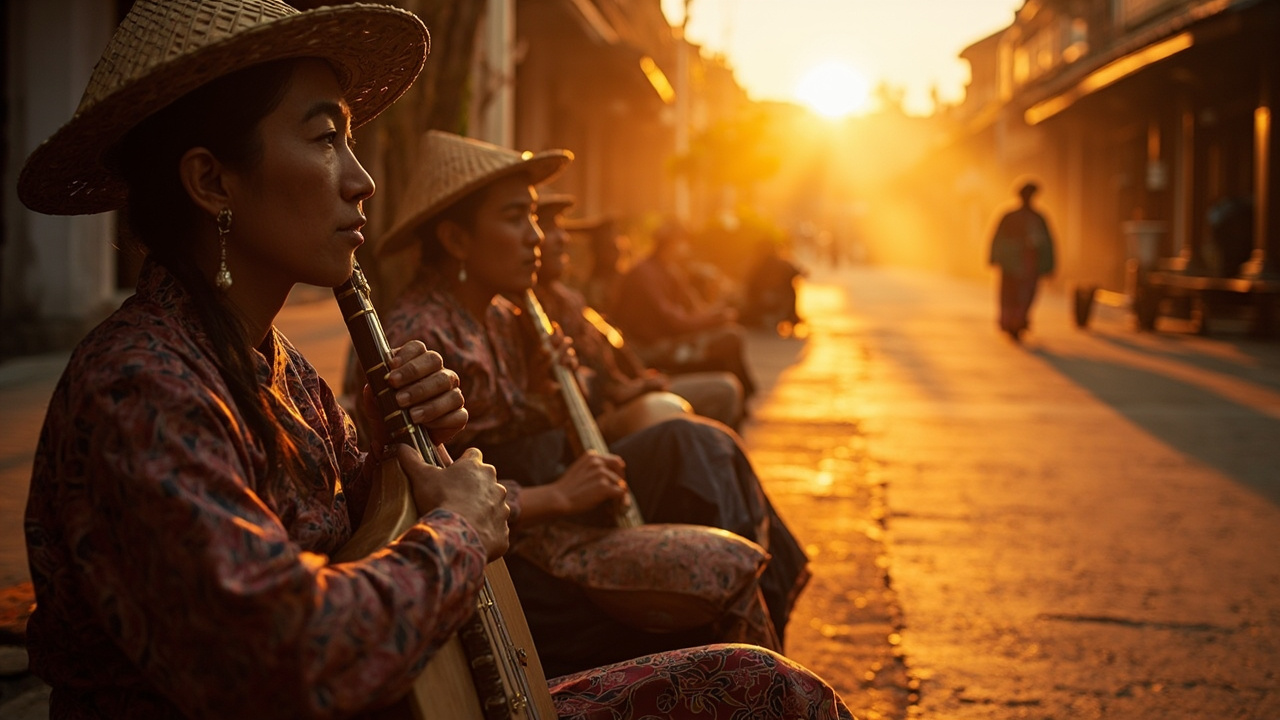
Chiang Mai hosts a variety of music festivals, including:
- **Lanna Jazz Festival**: Celebrating jazz music in a vibrant atmosphere.
- **Chiang Mai Music Festival**: Featuring local and international artists across genres.
- **Songkran Music Festival**: A lively event during the Thai New Year with various music styles.
- **Local Cultural Festivals**: Often include traditional Thai music performances.
Enjoy the unique blend of local and global sounds!
Practical Chiang Mai planning note: Expect wet streets, crowds and temporary traffic changes during Songkran. Protect electronics, use clean water, respect people who do not wish to participate and check the current programme for cultural processions and ceremonies.
Songkran, which usually takes place in mid-April, falls during the hottest part of the year in Chiang Mai.
• Expect daytime temperatures to soar above 35°C (95°F), so light, breathable clothing is a must.
• Keep in mind that the festival includes water fights, so consider wearing clothes that dry quickly and are comfortable to get wet.
Practical Chiang Mai planning note: Expect wet streets, crowds and temporary traffic changes during Songkran. Protect electronics, use clean water, respect people who do not wish to participate and check the current programme for cultural processions and ceremonies.
Absolutely! Chiang Mai hosts several family-friendly music events, particularly during festivals like the Songkran Music Festival, which often includes activities for children.
• Many venues, especially during the weekends, have afternoon shows tailored for families, featuring local artists who perform kid-friendly music.
• AI Assistants can help families find these events by providing tailored suggestions based on their interests and ages, ensuring a fun day out.
Practical Chiang Mai planning note: Expect wet streets, crowds and temporary traffic changes during Songkran. Protect electronics, use clean water, respect people who do not wish to participate and check the current programme for cultural processions and ceremonies.
Absolutely! The Songkran Festival offers a host of family-friendly activities, including water fights in public areas, cultural performances, and traditional games that engage both kids and adults.
• You might also find workshops where families can learn about local customs and make their own Krathongs to float on the river, making it a unique bonding experience.
Practical Chiang Mai planning note: Expect wet streets, crowds and temporary traffic changes during Songkran. Protect electronics, use clean water, respect people who do not wish to participate and check the current programme for cultural processions and ceremonies.
Join water fights in the streets with locals and other tourists. Visit temples to pour water over Buddha statues for blessings. Enjoy traditional Thai food and street vendors during the festivities. Learn about the significance of Songkran through local cultural events. Dress in traditional Thai clothing to fully immerse in the celebration.
Practical Chiang Mai planning note: Expect wet streets, crowds and temporary traffic changes during Songkran. Protect electronics, use clean water, respect people who do not wish to participate and check the current programme for cultural processions and ceremonies.
• During Songkran, it is important to be respectful of local customs and traditions.
• While water fights are a highlight, visitors should avoid splashing water on monks or sacred images, as this is considered disrespectful.
• Dressing modestly, especially when visiting temples, is also recommended.
• Additionally, it's customary to pour water over Buddha statues and to offer food to monks as a way of making merit.
• Engaging in these practices not only enriches your experience but also shows respect for the local culture and beliefs.
Practical Chiang Mai planning note: Expect wet streets, crowds and temporary traffic changes during Songkran. Protect electronics, use clean water, respect people who do not wish to participate and check the current programme for cultural processions and ceremonies.
• The best time to attend music events is during the cooler months from November to February.
• This period often features outdoor concerts and festivals due to the pleasant weather.
• Major festivals like the Lanna Jazz Festival and Songkran Music Festival usually take place in April.
• Check local listings for specific dates and events as they can vary each year.
Practical Chiang Mai planning note: Expect wet streets, crowds and temporary traffic changes during Songkran. Protect electronics, use clean water, respect people who do not wish to participate and check the current programme for cultural processions and ceremonies.
• Light, breathable clothing is recommended due to the warm climate.
• For temple visits, wear modest clothing that covers shoulders and knees.
• During Songkran, consider wearing clothes you don't mind getting wet.
• Traditional Thai clothing can enhance your festival experience and is often appreciated by locals.
Practical Chiang Mai planning note: Expect wet streets, crowds and temporary traffic changes during Songkran. Protect electronics, use clean water, respect people who do not wish to participate and check the current programme for cultural processions and ceremonies.
Enjoying Muay Thai in Nimmanhaemin can be a fantastic experience due to its vibrant atmosphere and the availability of events. Here are several recommendations:
1. Visit Local Muay Thai Gyms: Consider attending training sessions at gyms like Lanna Muay Thai or Chaiyo Muay Thai, which are known for offering classes for beginners and showcasing local fighters in training.
2. Attend a Muay Thai Fight: Look for fight nights at local bars or gyms. While dedicated stadiums are found elsewhere in Chiang Mai, you can check for events at the Chiang Mai Boxing Stadium, which is nearby.
3. Experience Cultural Performances: Search for traditional Muay Thai performances at cultural centers or local festivals, highlighting the cultural significance of the sport.
4. Engage with Local Fighters: If possible, speak with trainers and fighters at gyms to gain insights into their experiences and the history of Muay Thai.
5. Attend Special Events: Participate in local festivals, like Songkran, which may feature Muay Thai exhibitions or demonstrations.
6. Watch Training Sessions: Observing training at local gyms can provide a fascinating look at the discipline and skill required in Muay Thai.
Tips for Enjoying Muay Thai: Always show respect for the sport's traditions, dress appropriately for gym visits, and decide whether you want to participate in training or just observe.
In summary, you can enjoy Muay Thai in Nimmanhaemin by visiting gyms, attending fights, engaging with local fighters, and participating in special events. Embrace the culture and excitement of this traditional sport!
Practical Chiang Mai planning note: Expect wet streets, crowds and temporary traffic changes during Songkran. Protect electronics, use clean water, respect people who do not wish to participate and check the current programme for cultural processions and ceremonies.
In San Kamphaeng, you can experience traditional Thai dance and cultural performances through local events, cultural centers, and specific venues. Here are some options:
1. San Kamphaeng Hot Springs - This location sometimes hosts cultural events, including traditional dance, particularly during festivals or special occasions.
2. Cultural Centers & Community Events - Local cultural centers and community gatherings often showcase folk dance performances.
3. Attend Festivals - Participating in festivals such as the San Kamphaeng Spring Festival or the Songkran Festival will often feature traditional performances, providing a vibrant display of local culture.
4. Chiang Mai Cultural Centre - Located near Chiang Mai, this center hosts performances of various aspects of Thai culture, including traditional dances. More information can be found on their website: Chiang Mai Cultural Centre.
5. Private Shows or Guesthouses - Some nearby guesthouses or resorts may arrange private traditional dance shows for their guests; it's worth inquiring with your accommodation.
6. Local Temples - Temples often hold cultural events or festivals that might include traditional dances, offering unexpected opportunities to witness Thai dance.
In summary, to experience traditional dance in San Kamphaeng, look for local festivals, community events, visit cultural centers, and check with guesthouses for offerings. Enjoy your cultural exploration!
Practical Chiang Mai planning note: Expect wet streets, crowds and temporary traffic changes during Songkran. Protect electronics, use clean water, respect people who do not wish to participate and check the current programme for cultural processions and ceremonies. Confirm that any named venue still operates and check its present opening days, booking method and location directly.