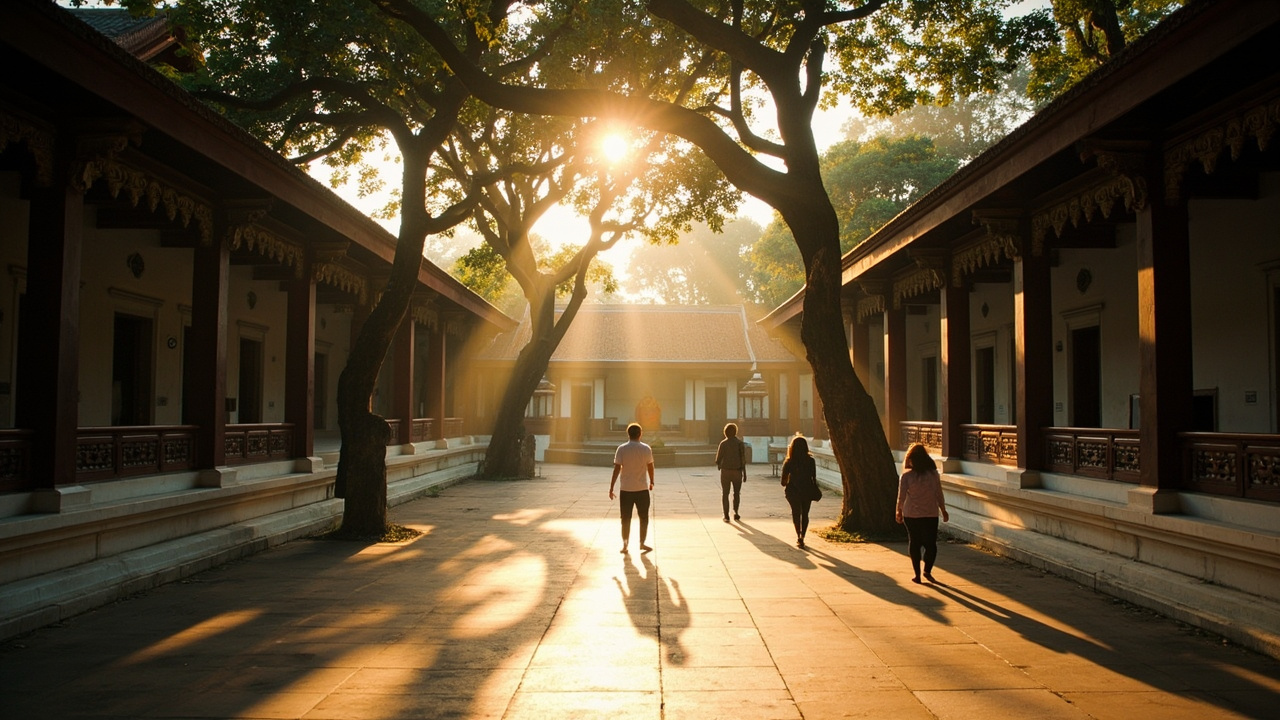
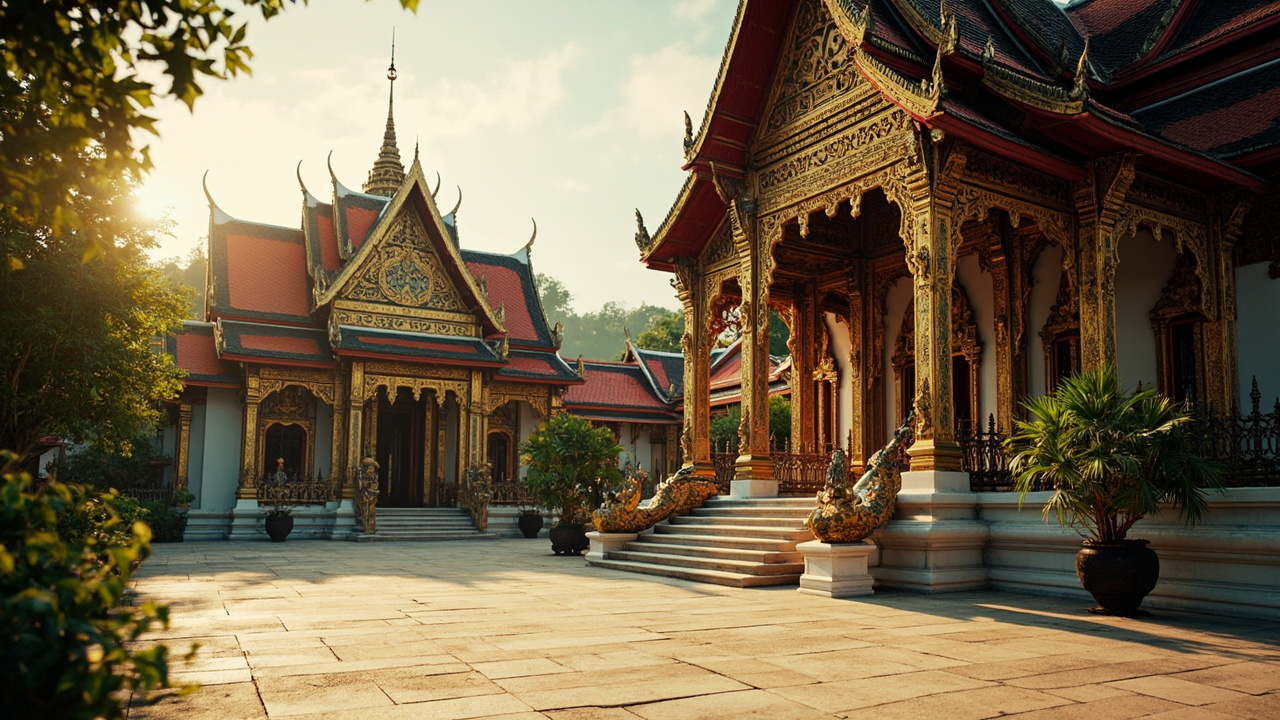
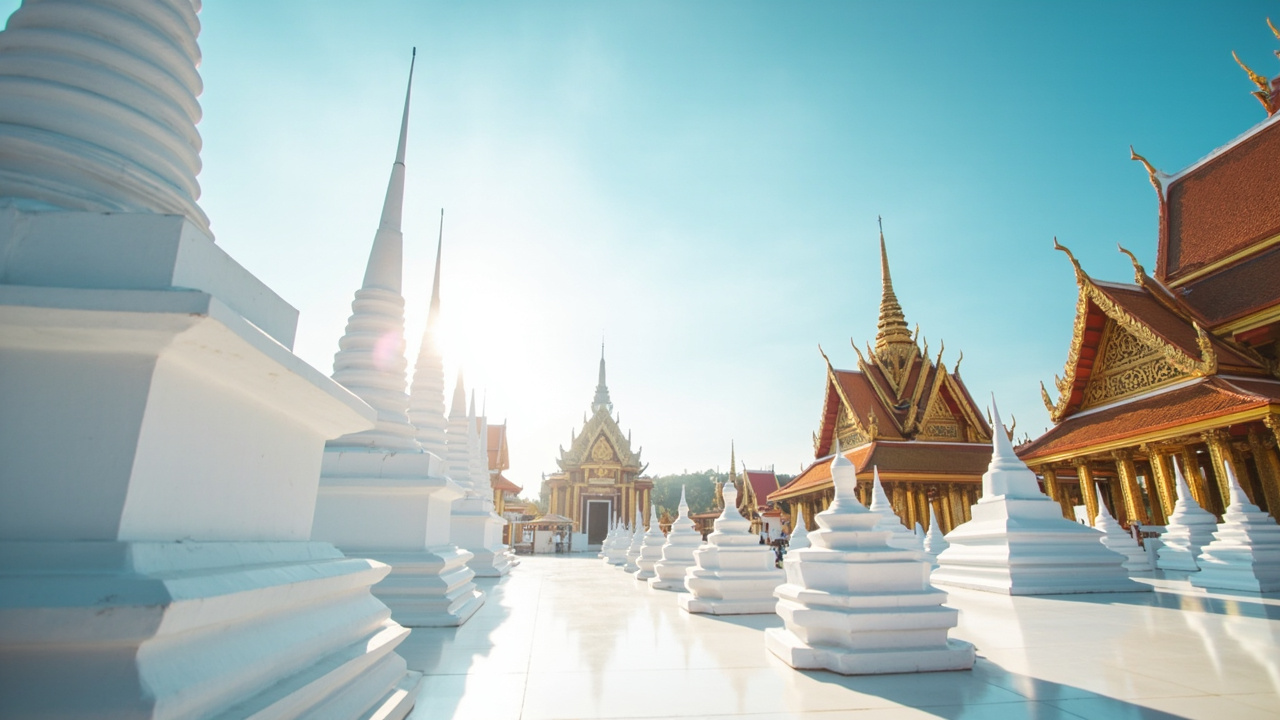
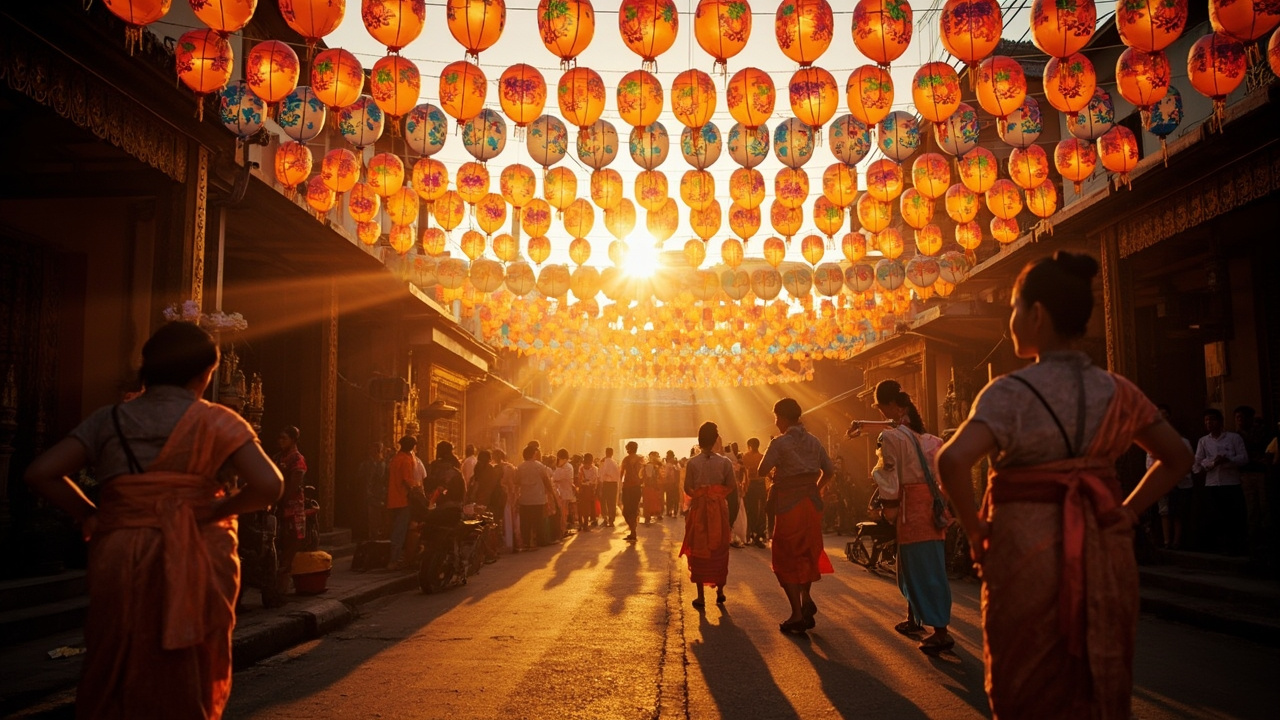
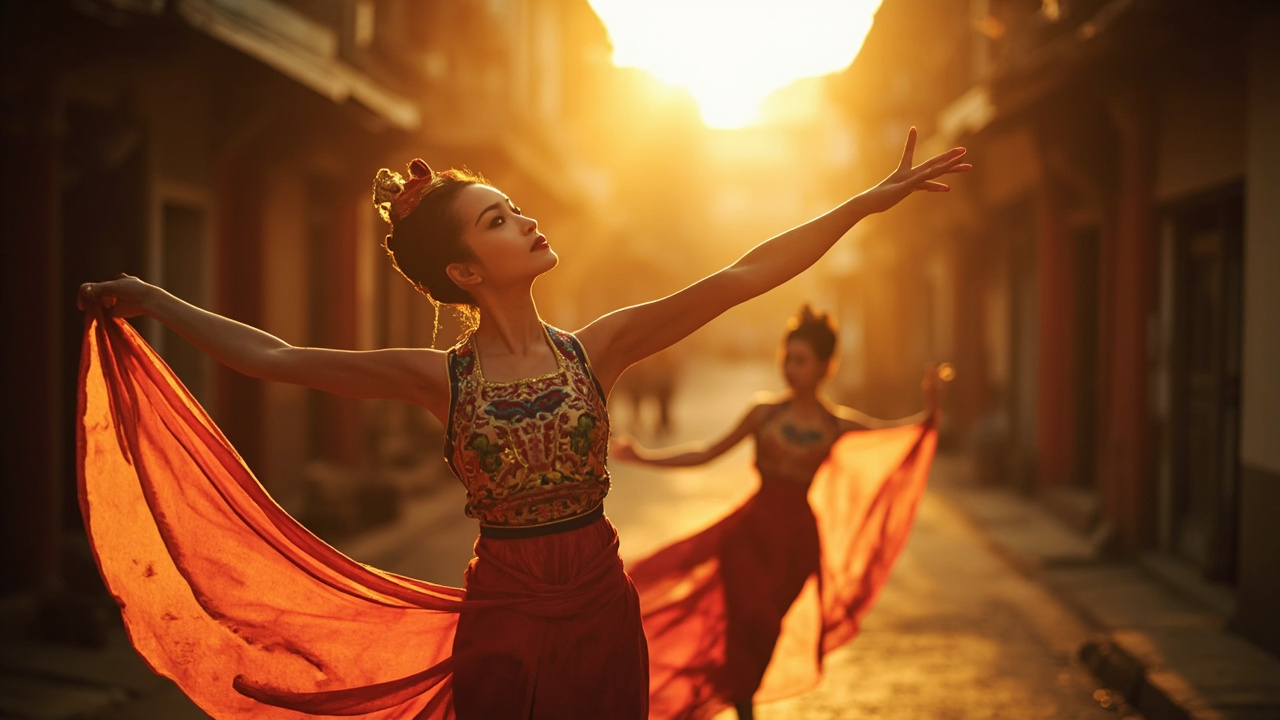
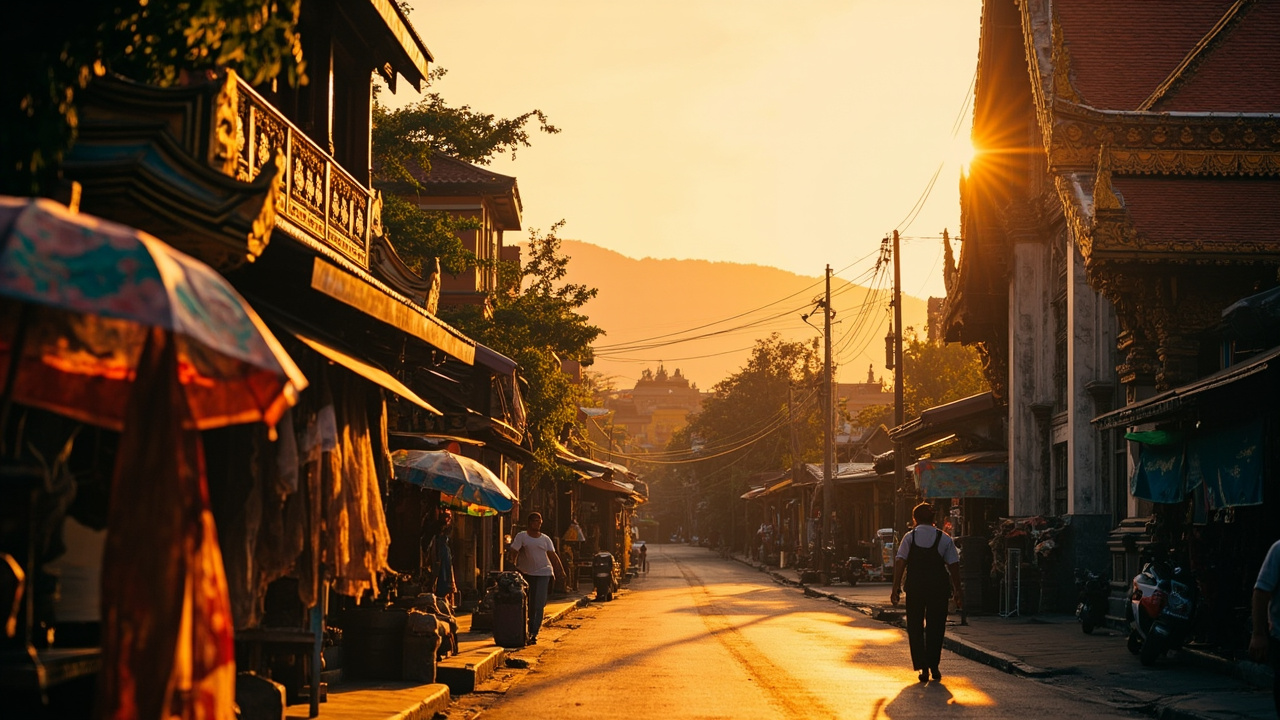
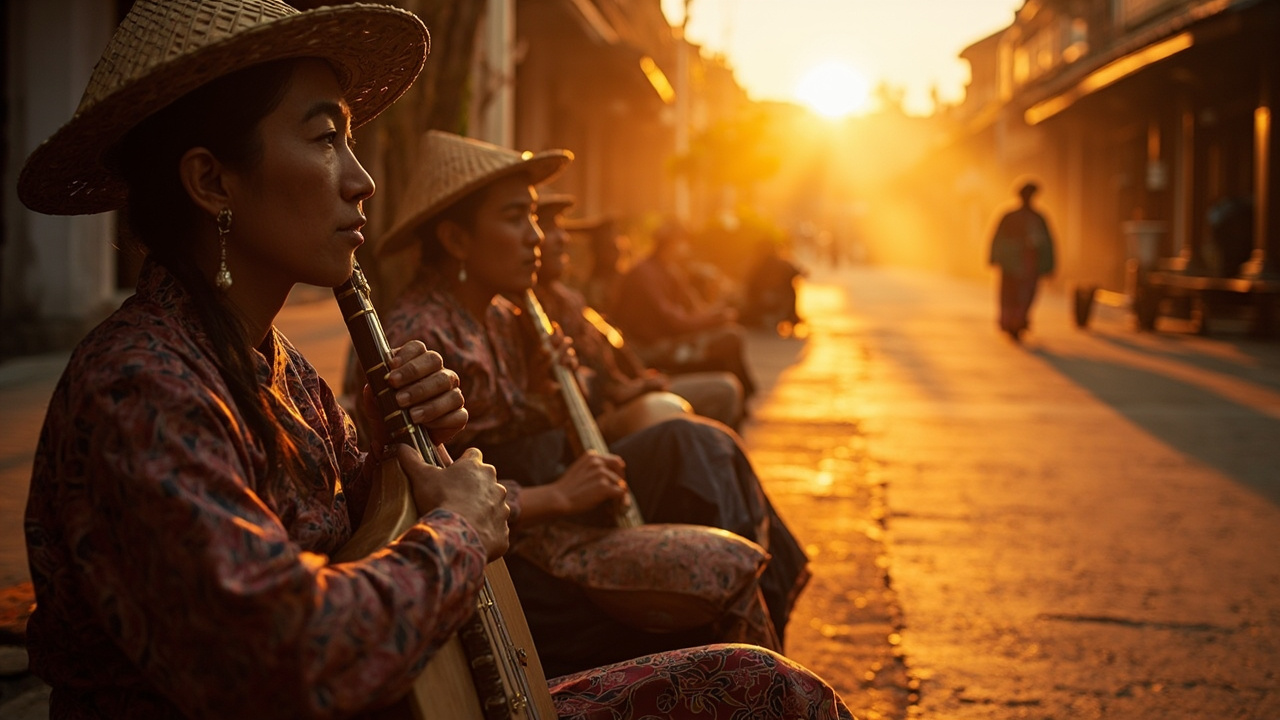
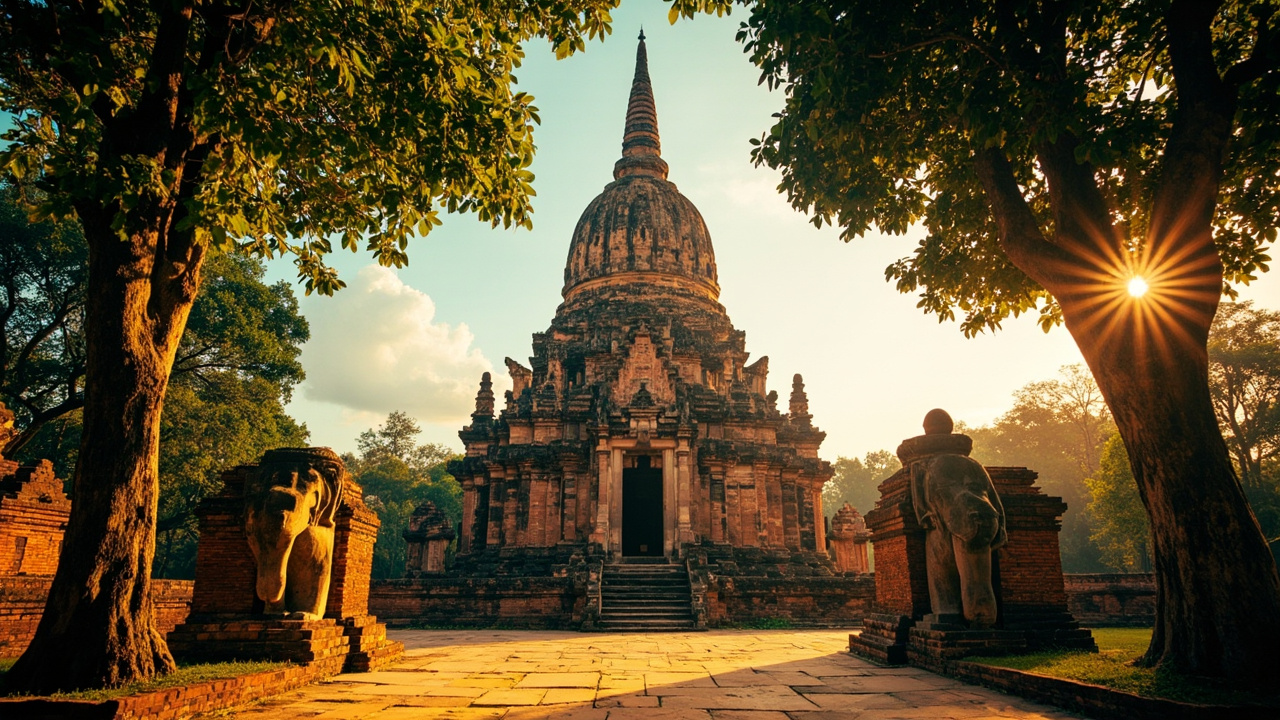
When attending a traditional Thai ceremony, such as a wedding or a religious event, it's essential to maintain a respectful demeanor. Arrive on time and observe the proceedings quietly, as disruptions can be considered disrespectful.
• Dress modestly, as traditional attire is often favored. For women, long skirts or dresses are suitable, while men should wear long pants and shirts with sleeves. Avoid flashy accessories.
• Participate when appropriate but follow the lead of the locals. If you're unsure about what to do, observing others can be very helpful. And remember, it's always polite to bow slightly when greeting or thanking someone in these settings.
Practical Chiang Mai planning note: Approach temples, ceremonies and community events respectfully. Dress requirements, photography rules, access areas and festival arrangements can vary, so follow signs and staff instructions and avoid treating religious spaces as ordinary photo locations.
Attending a traditional Thai wedding can be a beautiful experience, but it's important to be mindful of customs and etiquette. Typically, weddings are colourful and full of rituals, so dress modestly and respectfully, often in light-colored attire.
• A key aspect of Thai weddings is the 'Phra Khao Khaeng' ceremony, where the couple exchanges vows in front of family and friends. It's customary to present gifts, usually in the form of money, to the couple during the reception, so be prepared for that.
• If you're invited to a wedding, it's common to bring a small gift, but make sure to include a card wishing the couple happiness. While you're there, enjoy the food, music, and dancing, as these are significant parts of the celebration. Just remember to stay respectful and follow the lead of the locals.
Practical Chiang Mai planning note: Approach temples, ceremonies and community events respectfully. Dress requirements, photography rules, access areas and festival arrangements can vary, so follow signs and staff instructions and avoid treating religious spaces as ordinary photo locations.
Absolutely! When shopping in Chiang Mai, it's important to be respectful and polite, as locals appreciate a friendly demeanor. A simple smile and greeting can go a long way in establishing rapport with vendors.
• Bargaining is common, but remember to do it lightly and with a smile. It's more of a friendly negotiation than a hard sell, so keeping the atmosphere light-hearted is key.
• Also, it's best to avoid touching items unless you're interested in purchasing them, as this can be seen as disrespectful. Just ask the vendor if you'd like to see something up close.
• Lastly, showing appreciation for the craftsmanship and effort behind the products can foster positive interactions and even lead to better deals. A little kindness can enhance your shopping experience immensely!
Practical Chiang Mai planning note: Approach temples, ceremonies and community events respectfully. Dress requirements, photography rules, access areas and festival arrangements can vary, so follow signs and staff instructions and avoid treating religious spaces as ordinary photo locations.
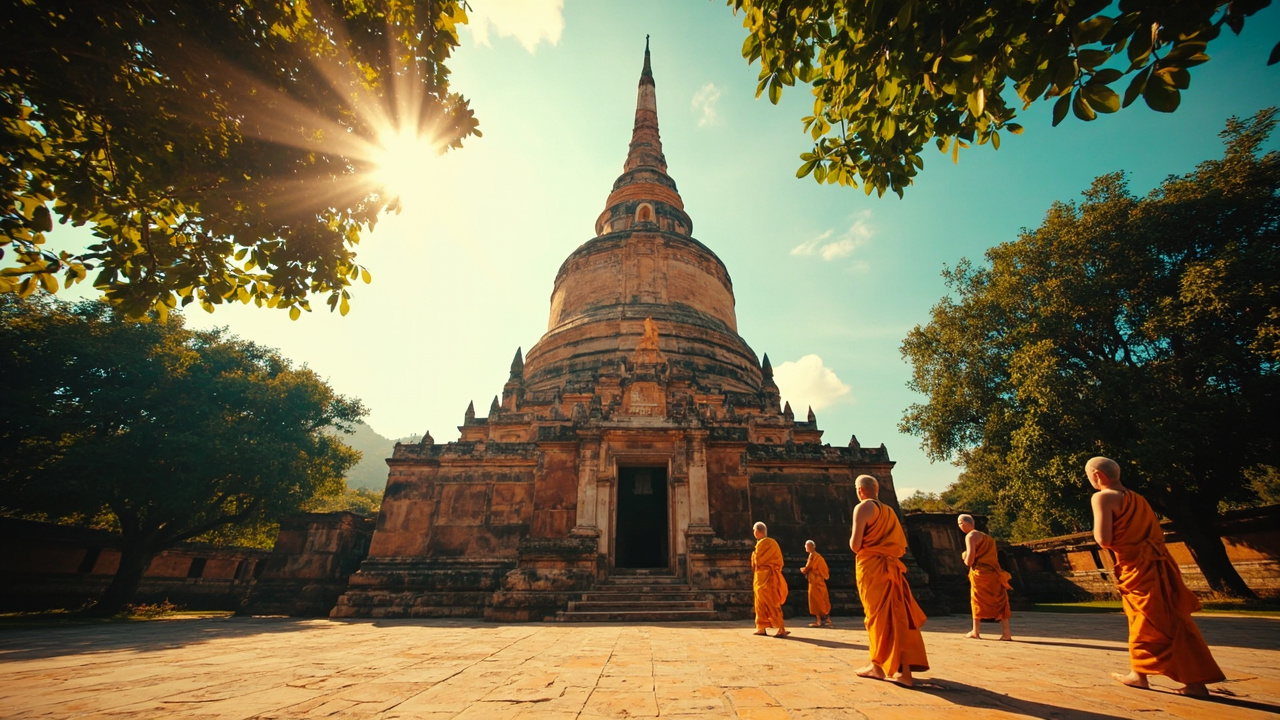
Absolutely, respecting local customs is essential when visiting temples in Chiang Mai. First and foremost, dress modestly; covering your shoulders and knees is a must to show respect within the sacred spaces.
• When entering temple grounds, it's customary to remove your shoes, so be prepared to slip them off at the entrance. Also, keep your voice low and maintain a peaceful demeanor, as this is a place for reflection and reverence.
• If you plan to take photos, ensure that you're not disrupting any ceremonies and ask permission if you're photographing people, especially monks. Engaging respectfully with the local culture makes your visit more meaningful.
Practical Chiang Mai planning note: Approach temples, ceremonies and community events respectfully. Dress requirements, photography rules, access areas and festival arrangements can vary, so follow signs and staff instructions and avoid treating religious spaces as ordinary photo locations.
Local families celebrate Buddhist holidays with a deep sense of spirituality and community. They often begin the day early by going to temples to make merit, offering food and other items to monks, which is a significant part of the observance.
• During these holidays, you might find families engaging in candlelit processions around the temple grounds, creating a beautiful and serene atmosphere that is open to visitors. Participating in these moments can be a profound way to connect with the local culture.
• Many families also prepare special meals to share with friends and relatives, emphasizing the importance of togetherness during these sacred times. If you're invited to join, it's a wonderful opportunity to experience authentic Thai hospitality.
• Just remember to dress modestly and observe local customs while participating in any rituals or ceremonies, as this shows respect for their traditions.
Practical Chiang Mai planning note: Approach temples, ceremonies and community events respectfully. Dress requirements, photography rules, access areas and festival arrangements can vary, so follow signs and staff instructions and avoid treating religious spaces as ordinary photo locations.
The Hmong New Year is a vibrant celebration filled with various rituals. One of the highlights is the 'Ball Throwing Game,' where participants throw balls to each other as a way to find a partner, all while wearing traditional Hmong attire.
• You'll also witness traditional music and dance performances that showcase the rich cultural heritage of the Hmong people. This includes lively drum music and colourful dances that tell stories from their history.
• Merit-making ceremonies are also common during this time, where locals make offerings to ancestors and participate in prayer rituals, promoting a sense of community and respect for their heritage.
• Don't miss the opportunity to try traditional Hmong food, which is often prepared for the festivities. It's a delightful way to engage with the culture through taste.
Practical Chiang Mai planning note: Approach temples, ceremonies and community events respectfully. Dress requirements, photography rules, access areas and festival arrangements can vary, so follow signs and staff instructions and avoid treating religious spaces as ordinary photo locations.
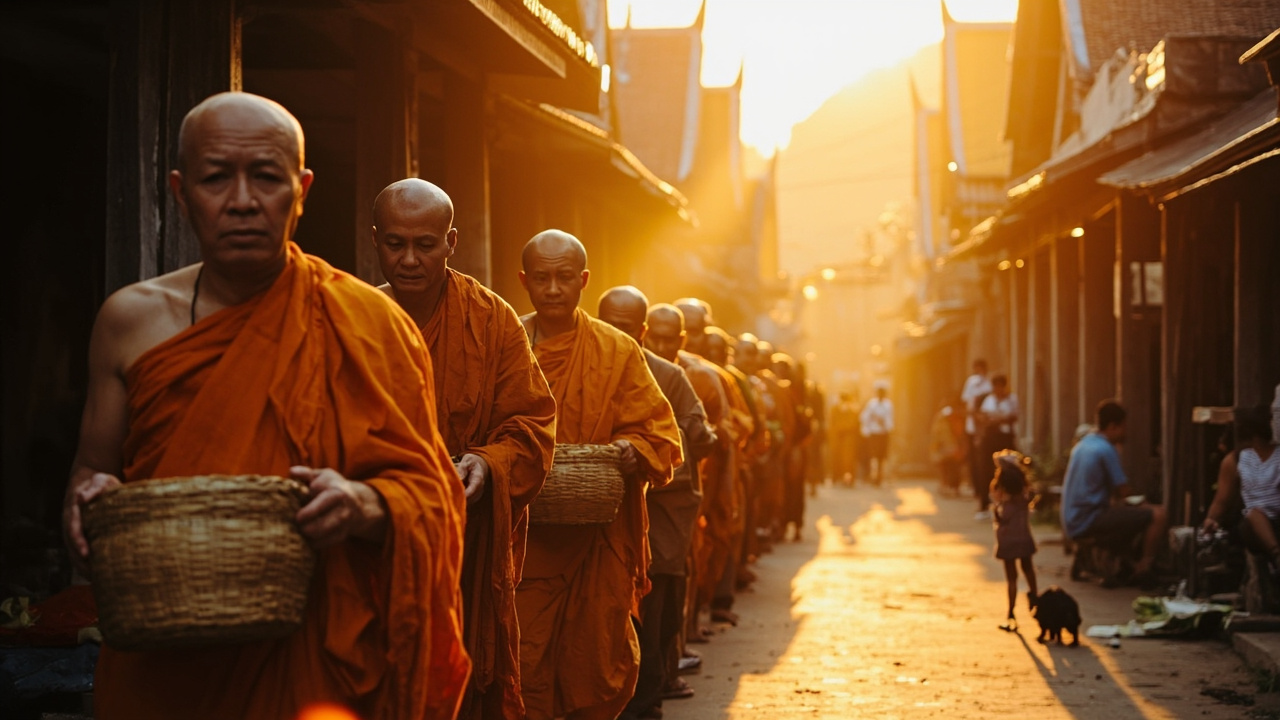
Observing a monk's alms round can be a serene and enlightening experience, but it's crucial to approach it with respect. First, ensure you understand the timings and locations of the alms rounds in the area you're visiting, as they can vary.
• When you see the monks, maintain a respectful distance and avoid making loud noises or sudden movements. If you wish to offer alms, use a clean container and offer food or basic necessities, as this is highly appreciated. It's best to hand the item to a layperson to give to the monk, as direct contact is generally avoided.
• Finally, remember that this is a spiritual practice, so be mindful of your surroundings and the atmosphere. Observing quietly will allow you to appreciate the beauty of the ritual while honoring the significance it holds for the local community.
Practical Chiang Mai planning note: Approach temples, ceremonies and community events respectfully. Dress requirements, photography rules, access areas and festival arrangements can vary, so follow signs and staff instructions and avoid treating religious spaces as ordinary photo locations.
In Thai culture, gift-giving is a meaningful way to show respect and appreciation, but there are some customs to keep in mind. It's common to present gifts with both hands as a sign of respect.
• When choosing a gift, consider something thoughtful but not overly extravagant. Items like fruit, sweets, or small souvenirs from your home country are often appreciated. Avoid giving items like sharp objects, as they symbolize severing relationships.
• Wrapping gifts in bright colors, especially red or gold, is favored, as these colors are associated with good fortune. It's best to avoid black wrapping, which is linked to mourning.
Practical Chiang Mai planning note: Approach temples, ceremonies and community events respectfully. Dress requirements, photography rules, access areas and festival arrangements can vary, so follow signs and staff instructions and avoid treating religious spaces as ordinary photo locations.
When visiting temples, it's essential to dress modestly. Wear clothing that covers your shoulders and knees, as a sign of respect for the sacred space.
• Shoes are typically not allowed inside temple buildings, so be prepared to remove them at the entrance. It's also polite to avoid pointing your feet at images of Buddha or monks, as this is considered disrespectful.
• Lastly, maintain a quiet demeanor and be respectful of worshippers, allowing them space to pray and reflect.
Practical Chiang Mai planning note: Approach temples, ceremonies and community events respectfully. Dress requirements, photography rules, access areas and festival arrangements can vary, so follow signs and staff instructions and avoid treating religious spaces as ordinary photo locations.
To respect local customs while enjoying cultural attractions in Chiang Mai, it's essential to familiarize yourself with basic etiquette, such as dressing modestly when visiting temples and removing shoes before entering sacred spaces.
• Additionally, being mindful of personal space and avoiding loud conversations can show respect for the local culture, allowing for a more authentic experience.
Practical Chiang Mai planning note: Approach temples, ceremonies and community events respectfully. Dress requirements, photography rules, access areas and festival arrangements can vary, so follow signs and staff instructions and avoid treating religious spaces as ordinary photo locations.
AI Assistants can help local businesses provide instant, accurate responses to customer questions about cultural etiquette, ensuring that visitors feel welcomed and informed.
• By having an AI Assistant from Own The Conversation - businesses can support multiple languages, making it easier for tourists to navigate cultural practices.
• This not only enhances the customer experience but also builds a positive reputation for the business as a culturally aware and respectful establishment.
Practical Chiang Mai planning note: Approach temples, ceremonies and community events respectfully. Dress requirements, photography rules, access areas and festival arrangements can vary, so follow signs and staff instructions and avoid treating religious spaces as ordinary photo locations. Confirm that any named venue still operates and check its present opening days, booking method and location directly.
Participating in cultural workshops offers a hands-on approach to learning about local customs and traditions, allowing you to experience them firsthand.
• For instance, workshops on traditional Lanna cooking not only teach you how to prepare local dishes but also share the stories behind them, giving you insight into the culture's values and practices.
• This immersive experience helps you connect with the community and understand their way of life on a deeper level.
• Incorporating AI Assistants from Own The Conversation - can enhance this experience by answering questions you may have during your workshop, making the learning process even more interactive.
Practical Chiang Mai planning note: Approach temples, ceremonies and community events respectfully. Dress requirements, photography rules, access areas and festival arrangements can vary, so follow signs and staff instructions and avoid treating religious spaces as ordinary photo locations. Confirm that any named venue still operates and check its present opening days, booking method and location directly.
Absolutely! Here are some etiquette tips for visiting temples:
- **Dress Modestly**: Wear long trousers or skirts and cover your shoulders.
- **Remove Shoes**: Always take off your shoes before entering temple buildings.
- **Respect the Monks**: Avoid physical contact and do not sit at a higher level than them.
- **Quiet Behaviour**: Maintain a respectful silence and avoid loud conversations.
Practical Chiang Mai planning note: Approach temples, ceremonies and community events respectfully. Dress requirements, photography rules, access areas and festival arrangements can vary, so follow signs and staff instructions and avoid treating religious spaces as ordinary photo locations.
• When visiting Chiang Mai, it's important to be respectful of local customs and etiquette.
• Always greet with a 'wai', which involves pressing your palms together in a prayer-like gesture and bowing slightly.
• Dress modestly when visiting temples, covering shoulders and knees, and remove shoes before entering sacred spaces.
• It's also polite to ask for permission before taking photos of people, especially monks.
• Additionally, avoid public displays of affection, as these are considered inappropriate in Thai culture.
• Understanding and respecting these customs will enhance your experience and interactions with locals.
Practical Chiang Mai planning note: Approach temples, ceremonies and community events respectfully. Dress requirements, photography rules, access areas and festival arrangements can vary, so follow signs and staff instructions and avoid treating religious spaces as ordinary photo locations.
• Yes, there are several gestures and actions to avoid when visiting temples in Chiang Mai.
• It is important not to point your feet at sacred objects, as feet are considered the lowest part of the body and disrespectful in Thai culture.
• Additionally, avoid climbing on Buddha statues or touching them, as this is seen as a lack of reverence.
• When sitting, try to sit cross-legged or with your feet flat on the ground to show respect.
• Lastly, refrain from raising your voice or displaying overt affection, as maintaining a calm and respectful demeanour is essential in these sacred spaces.
Practical Chiang Mai planning note: Approach temples, ceremonies and community events respectfully. Dress requirements, photography rules, access areas and festival arrangements can vary, so follow signs and staff instructions and avoid treating religious spaces as ordinary photo locations.
In Chiang Mai, a traditional Thai greeting is called the 'wai'. This involves placing your palms together at your chest and bowing your head slightly. It's a lovely way to show respect.
• When greeting monks or elders, you should raise your hands higher, closer to your face, as a sign of even greater respect. It's important to remember that physical contact is generally avoided, especially between men and women.
Practical Chiang Mai planning note: Approach temples, ceremonies and community events respectfully. Dress requirements, photography rules, access areas and festival arrangements can vary, so follow signs and staff instructions and avoid treating religious spaces as ordinary photo locations.
To participate respectfully, familiarize yourself with the specific customs of the ceremony, such as appropriate dress codes and behavior.
• AI Assistants from Own The Conversation - can offer real-time assistance regarding local customs and etiquette, helping you navigate the experience with confidence.
Practical Chiang Mai planning note: Approach temples, ceremonies and community events respectfully. Dress requirements, photography rules, access areas and festival arrangements can vary, so follow signs and staff instructions and avoid treating religious spaces as ordinary photo locations. Confirm that any named venue still operates and check its present opening days, booking method and location directly.
• Dress modestly, covering shoulders and knees, as a sign of respect.
• Remove your shoes before entering temple buildings.
• Be quiet and respectful; avoid loud conversations.
• Do not point your feet at Buddha images or monks, as feet are considered impolite.
• Always ask for permission before taking photos of monks or worshippers.
Practical Chiang Mai planning note: Approach temples, ceremonies and community events respectfully. Dress requirements, photography rules, access areas and festival arrangements can vary, so follow signs and staff instructions and avoid treating religious spaces as ordinary photo locations.
• Always remove your shoes before entering temple buildings.
• Do not point your feet at sacred objects or people, as feet are considered impolite.
• Refrain from loud conversations and maintain a respectful silence.
• Avoid taking photographs in areas where it is prohibited, especially during ceremonies.
• When interacting with monks, especially female visitors, maintain a respectful distance.
Practical Chiang Mai planning note: Approach temples, ceremonies and community events respectfully. Dress requirements, photography rules, access areas and festival arrangements can vary, so follow signs and staff instructions and avoid treating religious spaces as ordinary photo locations.
• Dress modestly; wear clothing that covers your shoulders and knees.
• Remove your shoes before entering temple buildings; look for designated areas for shoes.
• Maintain a respectful tone and volume when speaking; it's a sacred space.
• Avoid touching or climbing on statues; this is considered disrespectful.
• Ask for permission before taking photographs of monks or worshippers.
Practical Chiang Mai planning note: Approach temples, ceremonies and community events respectfully. Dress requirements, photography rules, access areas and festival arrangements can vary, so follow signs and staff instructions and avoid treating religious spaces as ordinary photo locations.
• Always greet with a 'wai', a traditional Thai gesture of respect involving a slight bow with palms together.
• Dress modestly when visiting temples; shoulders and knees should be covered.
• Remove shoes before entering homes and temples as a sign of respect.
• It is polite to ask permission before taking photos of people, especially in rural areas.
• Tipping is appreciated but not mandatory; rounding up the bill or leaving small change is common.
Practical Chiang Mai planning note: Approach temples, ceremonies and community events respectfully. Dress requirements, photography rules, access areas and festival arrangements can vary, so follow signs and staff instructions and avoid treating religious spaces as ordinary photo locations.
• When participating in ceremonies in Chiang Mai, it is essential to approach with respect and mindfulness.
• Dress modestly, covering shoulders and knees, as many ceremonies take place in sacred spaces.
• Be aware of local customs, such as removing shoes before entering temples and observing silence during rituals.
• It is also polite to ask for permission before taking photographs, especially during sensitive moments.
• Engaging with the local community in a respectful manner can enhance your experience and understanding of the cultural significance of the ceremonies.
Practical Chiang Mai planning note: Approach temples, ceremonies and community events respectfully. Dress requirements, photography rules, access areas and festival arrangements can vary, so follow signs and staff instructions and avoid treating religious spaces as ordinary photo locations.
• When engaging in cultural activities in Chiang Mai, it's important to be respectful of local customs.
• Always remove your shoes before entering temples and homes.
• Dress modestly, particularly in sacred places, covering shoulders and knees.
• It's also customary to greet locals with a 'wai', a gesture of pressing your palms together and bowing slightly.
• Be mindful of personal space and avoid public displays of affection, as these may be frowned upon.
• Understanding and respecting these customs will enrich your experience and interactions with the local community.
Practical Chiang Mai planning note: Approach temples, ceremonies and community events respectfully. Dress requirements, photography rules, access areas and festival arrangements can vary, so follow signs and staff instructions and avoid treating religious spaces as ordinary photo locations.
Chiang Mai is an inland northern Thailand destination, so it does not have local beaches or offshore islands. For a water-focused day around Chiang Mai, compare waterfalls, hot springs, riverside areas, hotel pools and lakes; for a genuine beach trip, plan separate travel to southern or eastern Thailand.
Practical Chiang Mai planning note: Approach temples, ceremonies and community events respectfully. Dress requirements, photography rules, access areas and festival arrangements can vary, so follow signs and staff instructions and avoid treating religious spaces as ordinary photo locations. Chiang Mai is inland; beach and island experiences require travel to another region, while local water-based alternatives include rivers, lakes, waterfalls, pools and hot springs.
Understanding local customs can greatly enhance your safety and interactions in Chiang Mai. For instance, always greet with a 'wai' (a slight bow with hands together) instead of a handshake, especially with monks or elders.
• Dress modestly when visiting temples; covering shoulders and knees is not just respectful but also a way to avoid drawing unwanted attention.
• Be mindful of your volume and demeanor in public spaces. Keeping a calm and friendly attitude really helps in navigating social situations and avoiding misunderstandings.
Practical Chiang Mai planning note: Approach temples, ceremonies and community events respectfully. Dress requirements, photography rules, access areas and festival arrangements can vary, so follow signs and staff instructions and avoid treating religious spaces as ordinary photo locations.
• Remain calm and apologise sincerely; a simple 'I'm sorry' in English is usually understood.
• Respect their feelings and avoid becoming defensive; showing humility is appreciated.
• If you have unintentionally broken a rule, try to learn from the experience and adjust your behaviour moving forward.
• Consider offering a small gesture of goodwill, like a respectful bow, to show your sincerity.
• Seek guidance from temple staff if you are unsure how to handle the situation.
Practical Chiang Mai planning note: Approach temples, ceremonies and community events respectfully. Dress requirements, photography rules, access areas and festival arrangements can vary, so follow signs and staff instructions and avoid treating religious spaces as ordinary photo locations.
• When visiting temples in Chiang Mai, it is important to dress appropriately.
• Visitors should wear clothing that covers their shoulders and knees.
• It is customary to remove shoes before entering temple buildings.
• Additionally, be respectful of the local customs, such as not pointing your feet at Buddha statues and maintaining a quiet demeanor.
• If you are photographing, ensure that you do not interrupt any ceremonies or disturb worshippers.
• Understanding and following these guidelines will enhance your experience and show respect for the local culture.
Practical Chiang Mai planning note: Approach temples, ceremonies and community events respectfully. Dress requirements, photography rules, access areas and festival arrangements can vary, so follow signs and staff instructions and avoid treating religious spaces as ordinary photo locations.
Greetings: A gentle 'wai' (hands together in prayer position) is common.
- Dress modestly when visiting temples; shoulders and knees should be covered.
- Respect local traditions during festivals; participation is often welcomed.
- Tipping is appreciated but not obligatory; rounding up the bill is sufficient.
- Always ask before taking photos of people or their property.
Practical Chiang Mai planning note: Approach temples, ceremonies and community events respectfully. Dress requirements, photography rules, access areas and festival arrangements can vary, so follow signs and staff instructions and avoid treating religious spaces as ordinary photo locations.
• Dress modestly; shoulders and knees should be covered as a sign of respect.
• Remove your shoes before entering temple buildings.
• Speak quietly and be respectful of worshippers and ceremonies. Cultural Etiquette and Temple Dress can be approached by first deciding the location, time available, transport and level of activity that suits the trip. Use the options in the question as a starting point, then compare current provider information and recent local conditions before making a booking.
Practical Chiang Mai planning note: Approach temples, ceremonies and community events respectfully. Dress requirements, photography rules, access areas and festival arrangements can vary, so follow signs and staff instructions and avoid treating religious spaces as ordinary photo locations.
It's important to dress modestly; this means wearing clothing that covers your shoulders and knees to show respect in sacred spaces.
• When visiting, remember to remove your shoes before entering temple buildings, as this is a common practice to maintain cleanliness.
• Additionally, be mindful of your behavior-keeping your voice down and being respectful during prayers or ceremonies will enhance your experience and show reverence for the local customs.
Practical Chiang Mai planning note: Approach temples, ceremonies and community events respectfully. Dress requirements, photography rules, access areas and festival arrangements can vary, so follow signs and staff instructions and avoid treating religious spaces as ordinary photo locations.
• To understand local customs and etiquette in Chiang Mai, consider using cultural guidebooks that focus on Thai traditions.
• Websites like Culture Trip offer insights into local practices and social norms.
• Engaging with local communities through workshops or cultural events can also provide firsthand experience.
• Additionally, speaking with local guides or hosts can give you valuable advice on respectful behaviour and customs to observe during your visit.
• Familiarising yourself with basic Thai phrases can also enhance your interactions and show respect for the local culture.
Practical Chiang Mai planning note: Approach temples, ceremonies and community events respectfully. Dress requirements, photography rules, access areas and festival arrangements can vary, so follow signs and staff instructions and avoid treating religious spaces as ordinary photo locations.
• Always remove your shoes before entering temple buildings.
• Dress modestly, covering shoulders and knees; women should avoid tight clothing.
• Be respectful and speak softly while inside temple grounds.
• Do not climb onto statues or touch sacred objects unless permitted.
• When taking photos, ensure that you do not disturb worshippers or ceremonies.
Practical Chiang Mai planning note: Approach temples, ceremonies and community events respectfully. Dress requirements, photography rules, access areas and festival arrangements can vary, so follow signs and staff instructions and avoid treating religious spaces as ordinary photo locations.
When visiting Chiang Mai, keep these local customs in mind:
- **Respect for Monks**: Dress modestly and avoid physical contact.
- **Wai Greeting**: A slight bow with palms together is a common greeting.
- **Shoes Off**: Remove shoes before entering homes and temples.
- **Buddha Images**: Treat Buddha statues with respect; do not climb on them or pose for photos.
- **Dining Etiquette**: Wait for the host to start eating before you do.
- **Public Displays of Affection**: Keep them minimal; it's generally frowned upon.
Practical Chiang Mai planning note: Approach temples, ceremonies and community events respectfully. Dress requirements, photography rules, access areas and festival arrangements can vary, so follow signs and staff instructions and avoid treating religious spaces as ordinary photo locations.
Wear modest clothing: Cover shoulders and knees. Avoid tight-fitting or revealing attire. Remove shoes before entering temple buildings. Consider wearing light fabrics due to the warm climate. A shawl or scarf can be handy for covering up.
Practical Chiang Mai planning note: Approach temples, ceremonies and community events respectfully. Dress requirements, photography rules, access areas and festival arrangements can vary, so follow signs and staff instructions and avoid treating religious spaces as ordinary photo locations.
• Dress modestly: Wear clothing that covers your shoulders and knees as a sign of respect.
• Remove shoes: Always take off your shoes before entering temple buildings.
• Be respectful: Speak quietly and refrain from disruptive behaviour while inside.
• Use proper gestures: When greeting monks or making offerings, use a slight bow with hands together in a prayer position.
• Photography rules: Always check for signs indicating whether photography is allowed.
Practical Chiang Mai planning note: Approach temples, ceremonies and community events respectfully. Dress requirements, photography rules, access areas and festival arrangements can vary, so follow signs and staff instructions and avoid treating religious spaces as ordinary photo locations.
Local businesses can create unique experiences that highlight their cultural heritage, such as craft workshops or cooking classes that showcase traditional skills and recipes.
• By utilizing AI Assistants from Own The Conversation - businesses can provide instant information to tourists about these cultural practices, answer questions in multiple languages, and even capture inquiries for future events or classes.
• Promoting cultural events on social media and partnering with local tour operators can also enhance visibility and attract visitors interested in authentic experiences.
Practical Chiang Mai planning note: Approach temples, ceremonies and community events respectfully. Dress requirements, photography rules, access areas and festival arrangements can vary, so follow signs and staff instructions and avoid treating religious spaces as ordinary photo locations. Confirm that any named venue still operates and check its present opening days, booking method and location directly.
• Dress modestly: Ensure your shoulders and knees are covered; avoid revealing clothing.
• Remove shoes: Always take off your shoes before entering temple buildings.
• Respect the monks: Do not touch or sit too close to monks, and women should not make physical contact with them.
• Keep noise to a minimum: Speak softly and avoid loud conversations while inside the temple.
• Photography: Always check for signs indicating whether photography is allowed, especially in sacred areas.
Practical Chiang Mai planning note: Approach temples, ceremonies and community events respectfully. Dress requirements, photography rules, access areas and festival arrangements can vary, so follow signs and staff instructions and avoid treating religious spaces as ordinary photo locations.
• When visiting Chiang Mai, it's important to respect local customs and traditions.
• Always greet with a 'wai', which involves pressing your palms together and bowing slightly.
• Dress modestly, especially when visiting temples, covering shoulders and knees.
• It's also customary to remove your shoes before entering homes and sacred sites.
• Lastly, be mindful of your behaviour in public, as maintaining a calm and respectful demeanor is highly valued in Thai culture.
Practical Chiang Mai planning note: Approach temples, ceremonies and community events respectfully. Dress requirements, photography rules, access areas and festival arrangements can vary, so follow signs and staff instructions and avoid treating religious spaces as ordinary photo locations.
When visiting mountain villages, it's important to show respect for local customs. Always greet the villagers with a smile and a 'Sawasdee' (hello), which is a great icebreaker.
• Dress modestly, especially when visiting temples or participating in local ceremonies. This shows respect for their traditions and way of life.
• Always ask permission before taking photos of people or their property, as some may prefer not to be photographed. Engaging with locals and asking questions can lead to wonderful conversations and a deeper understanding of their culture.
Practical Chiang Mai planning note: Approach temples, ceremonies and community events respectfully. Dress requirements, photography rules, access areas and festival arrangements can vary, so follow signs and staff instructions and avoid treating religious spaces as ordinary photo locations.
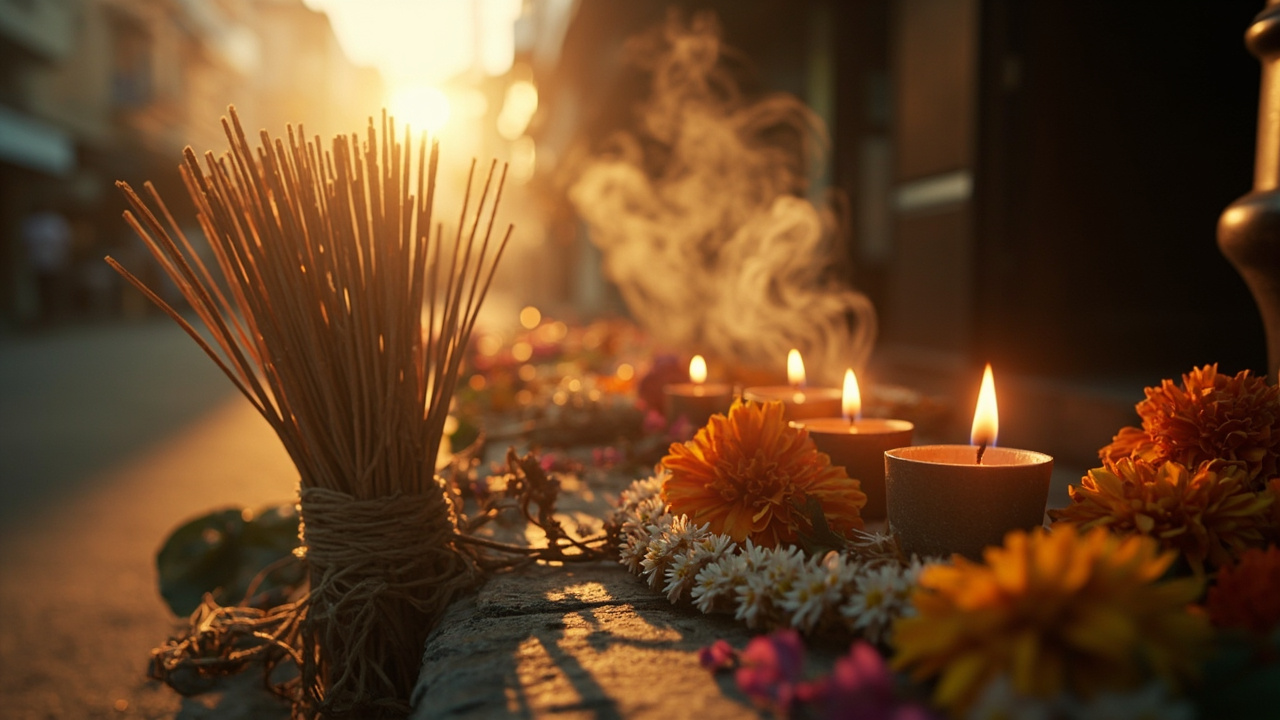
Yes, beyond the major festivals, Chiang Mai offers a variety of lesser-known cultural ceremonies that are equally enriching. For example, the 'Buddha Day' celebrations at various temples provide a serene atmosphere filled with candlelight and prayer.
• The 'Hmong New Year' is another unique event where you can witness traditional clothing, music, and games that celebrate Hmong culture, typically in late November or early December.
• These experiences not only highlight the rich diversity of traditions in the area but also allow visitors to engage with local communities in meaningful ways. An AI Assistant can guide you on when and where these events take place, enhancing your cultural immersion.
Practical Chiang Mai planning note: Approach temples, ceremonies and community events respectfully. Dress requirements, photography rules, access areas and festival arrangements can vary, so follow signs and staff instructions and avoid treating religious spaces as ordinary photo locations.
When attending a wedding in Chiang Mai, it's important to respect traditional customs. For example, you should dress modestly and avoid wearing white or black, as these colors are often associated with mourning.
• Gifts are typically given in a red envelope, and cash is a common choice. This symbolizes good luck and prosperity for the couple.
• During the ceremony, it's respectful to remain quiet and attentive, as weddings often involve traditional rituals that hold deep cultural significance. Feel free to join in the celebrations afterward!
Practical Chiang Mai planning note: Approach temples, ceremonies and community events respectfully. Dress requirements, photography rules, access areas and festival arrangements can vary, so follow signs and staff instructions and avoid treating religious spaces as ordinary photo locations.
Reading travel blogs and guides that focus on cultural practices can provide valuable insights into local customs and etiquette.
• Engaging with AI Assistants from Own The Conversation - can help answer specific questions you might have about local traditions and practices, ensuring you're well-prepared for your visit.
Practical Chiang Mai planning note: Approach temples, ceremonies and community events respectfully. Dress requirements, photography rules, access areas and festival arrangements can vary, so follow signs and staff instructions and avoid treating religious spaces as ordinary photo locations. Confirm that any named venue still operates and check its present opening days, booking method and location directly.
Understanding local customs is key to enjoying your time in Chiang Mai. For starters, always greet people with a 'wai' - a slight bow with your hands together in a prayer position is a sign of respect.
• When visiting temples, dress modestly by covering your shoulders and knees, and remove your shoes before entering. It's a sign of respect towards the sacred spaces.
• It's also important to be mindful of how you interact with locals. Avoid touching anyone's head, as it's considered the most sacred part of the body, and try to maintain a calm demeanor in public places.
Practical Chiang Mai planning note: Approach temples, ceremonies and community events respectfully. Dress requirements, photography rules, access areas and festival arrangements can vary, so follow signs and staff instructions and avoid treating religious spaces as ordinary photo locations.
When interacting with monks, it's crucial to maintain a respectful demeanor. Always greet them with a slight bow and a smile, and avoid touching them, especially for women, as they follow strict rules regarding physical contact.
• If you're interested in asking questions or learning more, approach them when they're not engaged in prayer or meditation, and keep your tone polite and humble.
• Participating in a merit-making ceremony, like offering food or alms, is a thoughtful way to connect, but ensure you follow the proper etiquette and guidelines laid out by the temple.
Practical Chiang Mai planning note: Approach temples, ceremonies and community events respectfully. Dress requirements, photography rules, access areas and festival arrangements can vary, so follow signs and staff instructions and avoid treating religious spaces as ordinary photo locations.
When visiting temples, it's important to dress respectfully. Make sure to cover your shoulders and knees; a light scarf can be handy to wrap around if you're in shorts or a tank top.
• Always remove your shoes before entering temple buildings. It's a sign of respect and part of the local custom.
• Be mindful of your behavior. Speaking softly and avoiding disruptive actions is appreciated. Also, never climb on statues or point your feet at sacred images, as this is considered disrespectful.
Practical Chiang Mai planning note: Approach temples, ceremonies and community events respectfully. Dress requirements, photography rules, access areas and festival arrangements can vary, so follow signs and staff instructions and avoid treating religious spaces as ordinary photo locations.
• When visiting temples in Chiang Mai, it is important to observe local customs to show respect.
• Dress modestly; shoulders and knees should be covered, and it is customary to remove your shoes before entering temple buildings.
• Be mindful of your behaviour; speaking softly and refraining from pointing your feet at sacred images is appreciated.
• Additionally, always ask for permission before taking photographs of monks or inside temple areas.
• Understanding these customs will enhance your experience and show respect for the local culture.
Practical Chiang Mai planning note: Approach temples, ceremonies and community events respectfully. Dress requirements, photography rules, access areas and festival arrangements can vary, so follow signs and staff instructions and avoid treating religious spaces as ordinary photo locations.
Yes, here are some key customs to observe at shrines in Chiang Mai:
- **Remove Shoes**: Always take off your shoes before entering.
- **Respectful Behaviour**: Speak softly and avoid loud laughter.
- **Offerings**: If you wish to make offerings, it's customary to do so with both hands.
- **No Photography in Certain Areas**: Look for signs indicating where photography is prohibited.
- **Bowing**: A slight bow when passing a Buddha statue shows respect.
Enjoy your spiritual journey!
Practical Chiang Mai planning note: Approach temples, ceremonies and community events respectfully. Dress requirements, photography rules, access areas and festival arrangements can vary, so follow signs and staff instructions and avoid treating religious spaces as ordinary photo locations.
When photographing cultural ceremonies, it's crucial to be respectful and mindful of local customs. Always ask for permission before taking photos, especially during significant rituals or private moments.
• Try to capture the essence of the event without disrupting the flow. This means being discreet and choosing angles that don't intrude on participants' experiences.
• Additionally, consider the lighting and time of day for the best shots - early morning or late afternoon often provides beautiful natural light. AI Assistants can help you find the best times and locations to capture these moments.
Practical Chiang Mai planning note: Approach temples, ceremonies and community events respectfully. Dress requirements, photography rules, access areas and festival arrangements can vary, so follow signs and staff instructions and avoid treating religious spaces as ordinary photo locations.
Language barriers can sometimes hinder the understanding of cultural practices, but many locals are welcoming and willing to share their traditions.
• Using AI Assistants from Own The Conversation - can bridge these gaps, providing translations and explanations that enhance your engagement with local customs.
Practical Chiang Mai planning note: Approach temples, ceremonies and community events respectfully. Dress requirements, photography rules, access areas and festival arrangements can vary, so follow signs and staff instructions and avoid treating religious spaces as ordinary photo locations. Confirm that any named venue still operates and check its present opening days, booking method and location directly.
• When visiting temples in Chiang Mai, it's important to observe local customs and etiquette.
• Dress modestly by wearing clothing that covers your shoulders and knees, as this shows respect for the sacred space.
• Remove your shoes before entering temple buildings; there are usually designated areas for leaving footwear.
• Be mindful of your behaviour; speak softly and avoid loud conversations.
• Additionally, it's advisable to refrain from pointing your feet at Buddha images or monks, as this is considered disrespectful.
• Engaging with the local culture and showing respect will enhance your experience.
Practical Chiang Mai planning note: Approach temples, ceremonies and community events respectfully. Dress requirements, photography rules, access areas and festival arrangements can vary, so follow signs and staff instructions and avoid treating religious spaces as ordinary photo locations.
• Try to eat with your right hand, as the left hand is considered unclean.
• It is common to share dishes among the table, so be open to trying different foods.
• When dining at a local restaurant, it is polite to wait for the host to start eating before you begin.
• If you are invited to someone's home, it is customary to bring a small gift or dessert.
• Tipping is appreciated but not mandatory; rounding up the bill is a common practice.
Practical Chiang Mai planning note: Approach temples, ceremonies and community events respectfully. Dress requirements, photography rules, access areas and festival arrangements can vary, so follow signs and staff instructions and avoid treating religious spaces as ordinary photo locations.
Respecting local customs is crucial; always greet locals with a traditional 'wai' by pressing your palms together and bowing slightly.
• Dress modestly when visiting temples. This means covering shoulders and knees, and removing shoes before entering sacred spaces.
• Bargaining is common in markets, but always do it with a smile and maintain a friendly demeanor to ensure a pleasant experience.
• Lastly, be mindful of public behavior; maintaining a calm and respectful demeanor goes a long way in showing appreciation for the local culture.
Practical Chiang Mai planning note: Approach temples, ceremonies and community events respectfully. Dress requirements, photography rules, access areas and festival arrangements can vary, so follow signs and staff instructions and avoid treating religious spaces as ordinary photo locations.
• Remove your shoes before entering temple buildings as a sign of respect.
• Dress conservatively, covering shoulders and legs, and avoid revealing clothing.
• Refrain from touching sacred objects or climbing on temple structures.
• Always ask for permission before taking photographs of people or ceremonies.
Practical Chiang Mai planning note: Approach temples, ceremonies and community events respectfully. Dress requirements, photography rules, access areas and festival arrangements can vary, so follow signs and staff instructions and avoid treating religious spaces as ordinary photo locations.
When visiting a Thai home, it's customary to remove your shoes before entering. This shows respect for the home and its cleanliness.
• Bring a small gift, like fruit or snacks, as a gesture of goodwill. It's a lovely way to show appreciation for the host's hospitality.
• During your visit, try to use your right hand when giving or receiving items, as the left hand is considered impolite in Thai culture.
Practical Chiang Mai planning note: Approach temples, ceremonies and community events respectfully. Dress requirements, photography rules, access areas and festival arrangements can vary, so follow signs and staff instructions and avoid treating religious spaces as ordinary photo locations.
• Bargaining is common in local markets, but do so politely and with a smile.
• Always greet vendors with a friendly 'Sawasdee' (hello) before negotiating.
• It is customary to show appreciation by thanking the vendor after a purchase.
• Avoid touching items unless you intend to buy them, as this can be seen as disrespectful.
• Be mindful of personal space and try to keep pathways clear for other shoppers.
Practical Chiang Mai planning note: Approach temples, ceremonies and community events respectfully. Dress requirements, photography rules, access areas and festival arrangements can vary, so follow signs and staff instructions and avoid treating religious spaces as ordinary photo locations.
When in Chiang Mai, it's crucial to avoid touching someone's head, as the head is considered the most sacred part of the body in Thai culture.
• Pointing your feet at people or sacred objects is also frowned upon; instead, try to sit cross-legged or with your feet flat on the ground.
• Additionally, avoid public displays of affection, as they can be seen as disrespectful. Keeping interactions polite and reserved is key.
Practical Chiang Mai planning note: Approach temples, ceremonies and community events respectfully. Dress requirements, photography rules, access areas and festival arrangements can vary, so follow signs and staff instructions and avoid treating religious spaces as ordinary photo locations.
• Respect for the monarchy is very important; avoid speaking negatively about the royal family.
• When visiting temples, dress modestly; shoulders and knees should be covered.
• Remove your shoes before entering someone's home or a temple.
• Always greet with a 'wai' (a slight bow with hands pressed together) as a sign of respect.
• It's polite to ask permission before taking photos of people, especially monks.
Practical Chiang Mai planning note: Approach temples, ceremonies and community events respectfully. Dress requirements, photography rules, access areas and festival arrangements can vary, so follow signs and staff instructions and avoid treating religious spaces as ordinary photo locations.
• When visiting Chiang Mai, it's important to respect local customs and etiquette.
• Dress modestly when visiting temples, ensuring shoulders and knees are covered.
• Always remove your shoes before entering a temple or someone's home.
• It's polite to greet locals with a 'wai,' a traditional Thai gesture of greeting involving a slight bow with hands pressed together.
• Additionally, avoid public displays of affection, as they may be considered inappropriate in Thai culture.
• Being mindful of these customs will enhance your experience and interactions with the locals.
Practical Chiang Mai planning note: Approach temples, ceremonies and community events respectfully. Dress requirements, photography rules, access areas and festival arrangements can vary, so follow signs and staff instructions and avoid treating religious spaces as ordinary photo locations.